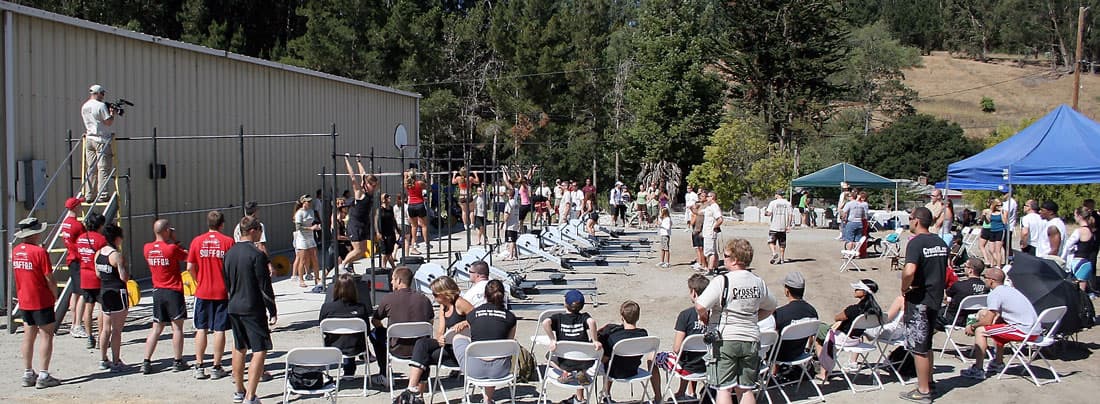
CrossFit can be therapeutic, article argues for trauma recovery
CrossFit’s latest trauma essay makes a bold case: the box can help train regulation and safety, but it is not a substitute for therapy.

CrossFit is making a bigger claim than a feel-good fitness slogan. Its latest essay argues that the box can help train the nervous system itself, because repeated exposure to controlled challenge can build regulation, safety, and the ability to stay present when stress hits instead of shutting down.
What the essay is really arguing
The core idea is not that exercise magically erases trauma. It is that CrossFit asks for the same capacities trauma recovery demands: the ability to stay engaged, tolerate discomfort, and meet a hard moment without fracturing into withdrawal or panic. That is a sharper, more serious claim than simple stress relief, and it helps explain why the article leans on the language of regulation, safety, and participation rather than motivation or self-improvement.
The piece also treats variety as a feature, not a nuisance. In a CrossFit setting, the athlete eventually runs into movements or workouts that demand more grit, strength, skill, and capacity, and that pressure can become part of healing if the dose is controlled. The point is not to overwhelm the system. The point is to teach it that challenge can exist without danger, which is a crucial distinction for anyone carrying trauma histories, shame, or a tendency to isolate under stress.
Why the box matters differently from a general gym
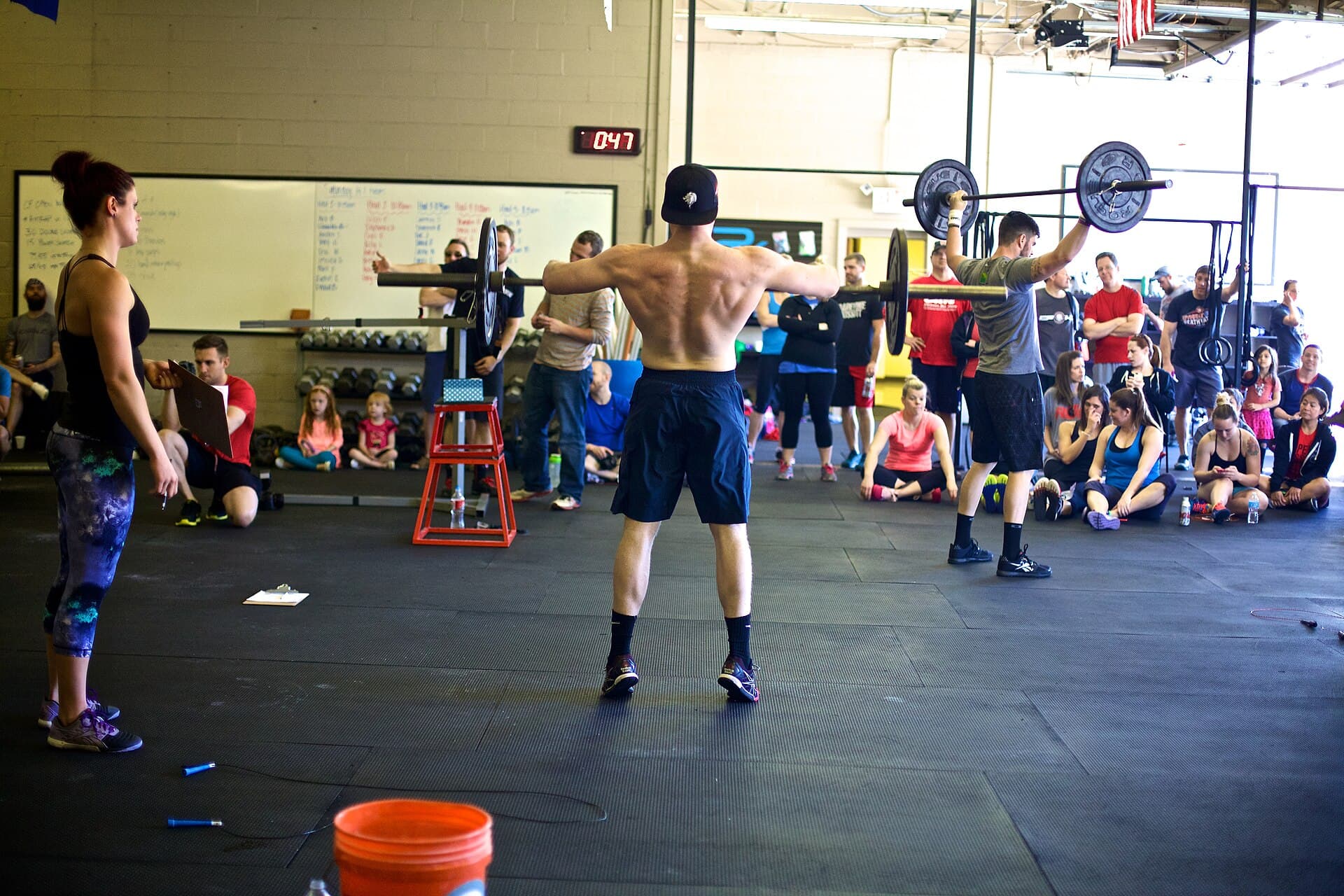
CrossFit’s argument lands because the environment is structured. A class has a start time, a coach, a warm-up, a plan, and a clear finish, and that predictability matters for people trying to rebuild a sense of interior and exterior safety. For someone coming in with PTSD or attachment injuries, the box can offer a rare combination of order and exposure: hard work inside a clearly bounded space.
The article also makes an important point about shame. Shame tends to push people out of view, while CrossFit asks for participation. That does not make the box automatically healing, but it does make it uniquely suited to helping people practice showing up, taking instruction, and staying connected while their body is under load. In other words, the value is not just in the workout. It is in the social contract around the workout.
The mechanisms that actually matter
If CrossFit is going to support stress regulation, it has to do more than make workouts hard. The mechanisms named in the essay are concrete: predictable structure, breathing under load, coach cueing, and community safety. Those are the levers that can keep intensity from tipping into panic and can help an athlete remain in the room long enough to get the benefit.
That is also where scaling becomes more than making a workout easier. The article frames scaling as a way to preserve connection and continuity. A scaled workout can keep someone moving, keep their breathing organized, and keep them engaged with the coach and the class. That is a very different goal from simply reducing the score or lightening the load.
A useful reality check from the research
The strongest test case in the broader literature is a 12-week CrossFit program discussed in a 2025 Springer chapter on combat-related PTSD. That work described autonomy, competence, and relatedness as being activated through CrossFit’s peer-supported, mastery-oriented culture, which is exactly the kind of language that helps explain why the model can feel restorative to some people.
But that same evidence also shows where the line remains. A box can create conditions that support healing, yet it cannot replace trauma-focused care when trauma is severe or persistent. The Department of Veterans Affairs National Center for PTSD says trauma-focused psychotherapy is the most effective treatment for PTSD. It also notes that physical activity and other physical strategies support overall health and can contribute to reduced stress reactions. That is the cleanest way to read the CrossFit claim: supportive, not substitutive.
How the newer CrossFit media frame fits together
This latest essay is not appearing in isolation. CrossFit has also pushed a companion trauma-recovery podcast and a recent Essentials piece that explicitly connected CrossFit with trauma recovery. Together, those pieces suggest a broader editorial line: the company is increasingly willing to describe hard training as part of nervous-system education, not just athletic development.
That matters culturally. CrossFit has always traded on intensity and community, but this framing adds another layer: training as a place where emotional and physical adaptation happen together. For a sport that often gets reduced to leaderboard drama or brute-force mythology, that is a notable shift. It suggests a maturing understanding of what hard training can and cannot do.
What this means if you train CrossFit
The takeaway is not that every box is therapy. The takeaway is that a well-run box can be therapeutic in limited, real ways when the coach controls intensity, the class structure is predictable, and the environment is safe enough for people to stay engaged. If those pieces are present, CrossFit may help athletes practice the exact skills trauma recovery requires: tolerating stress, staying embodied, and trusting other people while under pressure.
That is a meaningful contribution, but it still belongs beside therapy, not in place of it. CrossFit can help restore capacity. It cannot do the full clinical work of treating trauma on its own.
This article was produced by Prism’s automated news system from verified source data, official records, and press releases, then run through automated quality and moderation checks before publishing. The system is built and supervised by the people who set the standards it runs under. Read our full AI policy.
Did this article answer your question?