CrossFit Community Cup groups athletes by Open performance levels
The Community Cup turns Open scores into five skill tiers, giving everyday affiliates a second season without making rookies race veterans.

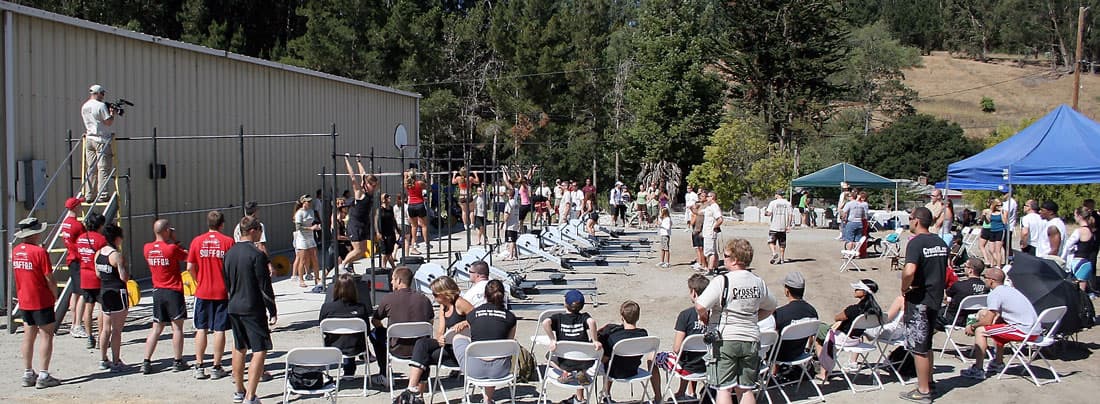
The Community Cup is CrossFit’s answer to the question that hangs over the Open for a lot of gym members: what now? Running August 1-31, 2026, it keeps the season alive with an affiliate-based online competition built around athletes facing peers of similar ability instead of disappearing into one giant leaderboard.
What the Community Cup actually is
CrossFit has built the Community Cup as a continuation, not a detour. Anyone who submitted scores for all three 2026 Open workouts is eligible, which makes the event broad enough for the everyday athlete and structured enough to feel like more than a social throw-in. The key change is where you land: athletes are sorted into tiers based on Open performance, then compete inside those bands at their affiliate.
That structure matters because it changes the emotional math of the event. A member who finished middle of the pack in the Open is not staring at elite scores and trying to pretend that is a fair fight. Instead, the format puts that athlete against others operating at a similar level, which makes each rep, time cap, and tie-breaker feel more consequential.
The tier system is the whole point
CrossFit uses five Community Cup levels: Pro, Advanced, Intermediate, Novice and Rookie. Those levels are tied to current-year Open placement, and the tier assignment is automatic once an athlete registers and submits scores for all three Open workouts. The system is intentionally layered, with the competition level based on individual results rather than age-group standing for athletes in the 16-54 range.
That distinction is important for anyone who competes in an age division and assumes that result alone decides the field. It does not. The Community Cup tier comes from the individual Open result, while the dashboard can also show an age-group ranking for athletes 16-54. In other words, the Cup is built to tell you where you sit in the broader CrossFit pyramid, not just where you landed inside your age bracket.
There is also one small but meaningful piece of flexibility: athletes can choose to move up one level from their assigned tier, but they cannot move down. That keeps the format honest. If you think you belong higher, CrossFit leaves the door open. If you want an easier lane, it does not.
Who gets the most out of it
This is the part that should matter most to average affiliate members deciding whether the Cup is worth their time after the Open. If you liked the Open but felt buried by the top end of the field, the Community Cup is designed for you. It gives you another competition block without requiring you to pretend you are racing Games-level athletes to get a real test.
It is also a better fit for athletes who want a reason to keep showing up in August, when the Open high fades fast for anyone outside the qualification bubble. CrossFit says the top 25 percent of individual and age-group athletes move on to Quarterfinals, and the 2026 CrossFit Games Finals are set for July 24-26 at SAP Center in San Jose, California. That means the elite path keeps climbing, but the Cup gives the much larger middle of the gym a reason to stay engaged after the Open ends.
For the athlete who cares more about consistency, camaraderie and a clean benchmark against people of similar fitness, this is the better lane. It is not a consolation prize. It is a different competitive problem, and for a lot of affiliate members that is exactly what makes it worth doing.
What athletes get for the entry fee
Registration opens July 1, 2026, with two options: a $20 registration-only entry and a $40 package that includes a T-shirt. Every registrant also gets a $25 Velites gift card, and CrossFit says two winners will receive $10,000 all-expense-paid trips courtesy of WurQ.
Those add-ons are not the point, but they do matter. The Cup is priced like an accessible extension of the season, not a high-stakes buy-in, and the extra perks make the decision easier for athletes on the fence. The value proposition is simple: pay a modest fee, get another month of competition, and still have a shot at a tangible prize beyond the leaderboard.
Why gyms should treat it like a retention tool
CrossFit’s 2025 materials showed how this event is meant to live inside the affiliate, not just on a score sheet. The competition used three workouts, and affiliate owners received class plans through the Affiliate Toolkit, along with movement standards materials that helped coaches run it as a coached experience rather than a loose pile of scores.
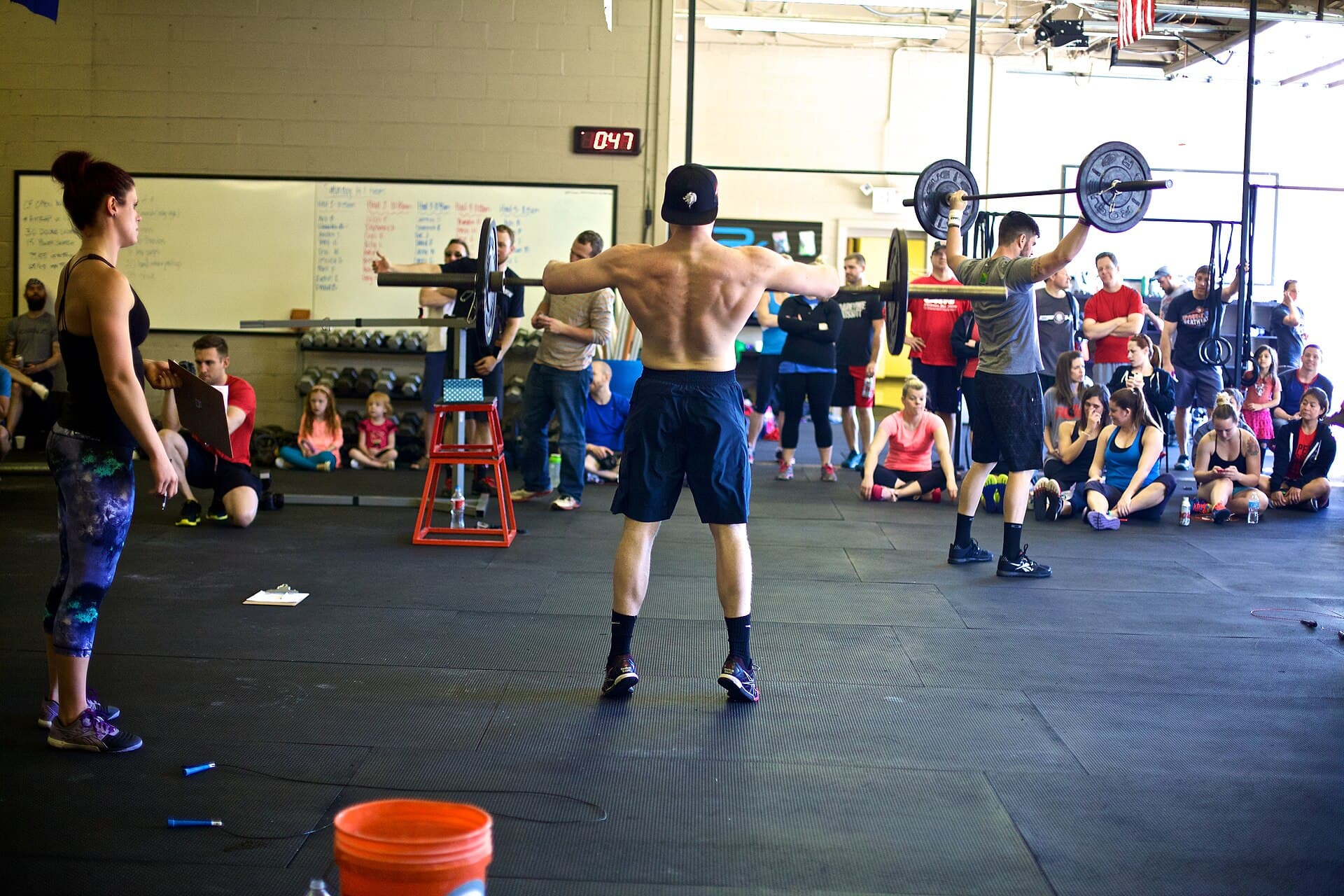
That is the blueprint gyms should follow in 2026. The Community Cup works best when it becomes a shared block on the calendar, with judges, lanes, heats and a little internal drama built around the five tiers. If an affiliate sells it as a mini-season, not a one-off online test, it becomes a retention piece for the people who need structure after the Open more than they need another abstract leaderboard.
A smart affiliate can use the Cup in a few straightforward ways:
- Build three in-gym showcase days around the three workouts and treat them like house meets.
- Keep athletes grouped by tier so members can see who they are really racing against.
- Use the August 1-31 window to spread participation across the month instead of packing it into one weekend.
- Make the prizes and T-shirt bundle part of the sign-up push, especially for newer athletes who respond to concrete goals.
Why the second year matters
This is the second year of the Community Cup, and that alone is telling. In 2025, it ran June 9-15 and used the same three-workout format, with YETI attached as presenter. A one-off experiment does not get this kind of structure a year later. A returning event does.
That is the real read on the Community Cup: CrossFit is building a lower-barrier layer under the Open, one that keeps more athletes in the sport without blurring the line between everyday affiliates and the Games chase. For the member who wants a fair fight, and for the coach who wants one more reason to keep the room full after the Open, that is exactly the point.
This article was produced by Prism’s automated news system from verified source data, official records, and press releases, then run through automated quality and moderation checks before publishing. The system is built and supervised by the people who set the standards it runs under. Read our full AI policy.
Did this article answer your question?