CrossFit puts athletes to the test with a pacing-focused 5K run
CrossFit has programmed its 5,000-meter run 77 times, and the test still rewards restraint: settle in over the first 800 meters and chase a negative split.
CrossFit closes the week with a 5,000-meter run that asks for something many athletes resist on sight: restraint. The session is labeled a monostructural benchmark, and the message is blunt enough to matter. Go out too hard, and the second half will tell on you; settle early, build into pace, and the run becomes a clean read on aerobic control.
Pace like it matters, because it does
The core instruction is simple. CrossFit wants athletes to settle into rhythm during the first 800 meters, not treat the opening stretch like a sprint test. From there, the goal is to build gradually and, when possible, run a negative split so the second half is slightly faster than the first.
That pacing advice is the difference between a true benchmark and a blow-up. A 5K run rewards athletes who can hold back just enough to stay useful late, when the heart rate climbs and form starts to fray. If the first kilometer is a statement, the last two are the verdict.
The legs are already talking before the run starts
This 5K does not arrive in a vacuum. CrossFit notes that Friday’s rope climbs and hang squat cleans may leave the legs fatigued, which means the warm-up has to do more than simply get blood moving. The lower body may need extra loosening before the run begins, especially if the prior day left the hips and calves heavy.
That detail matters because it changes the way the benchmark feels. A runner who ignores the residue of the previous day’s work can mistake stiffness for fitness or, worse, sprint through the first mile trying to outrun fatigue that was already there. The better move is to open up the legs, find cadence, and let the run reveal what the athlete can actually hold.
What the 5K is measuring inside CrossFit
CrossFit places the 5,000-meter run in its aerobic-pathway benchmark group alongside Murph, Fight Gone Bad, Filthy Fifty, and Chad 1000X. That grouping makes the intent clear: this is a test of stamina and endurance, not short-burst speed or maximal strength.
CrossFit’s benchmark framework also explains why workouts like this keep coming back. The company repeats benchmark workouts irregularly in the Workout of the Day so athletes can measure progress over time, and its archive says the first benchmark workouts were introduced in 2003. They were selected as examples of what CrossFit wanted to measure, and the 5K fits that purpose with unusual cleanliness.
There is no barbell to save you, no skill element to hide behind, and no scoring trick to distort the read. Once the run settles into pace, the result is honest. A strong time says the engine is there and the athlete can manage effort under discomfort. A weak one often says the opposite: good top-end ability, but not enough aerobic patience to keep the pace intact.
How the benchmark is scaled without changing the point
The Rx version is straightforward: run 5,000 meters. The beginner option uses a 20-minute run-for-distance format, which keeps the session rooted in continuous aerobic work without demanding the full distance from newer athletes.
CrossFit has also used the 5K demo format to make the scaling logic even more explicit. In the 2022 demonstration, the guidance for newer athletes was to reduce the distance enough to finish the run, or row, in no more than 25 minutes. That preserves the purpose of the session: sustained output, controlled pacing, and a finish that still looks like work rather than survival.
The point is not to make the benchmark easy. The point is to keep it runnable for the athlete in front of the clock. If the distance is so long that the athlete falls apart before the middle, the test stops measuring the engine and starts measuring damage control.
Why CrossFit keeps coming back to the 5K
CrossFit called the 5,000-meter run its most-programmed benchmark on CrossFit.com in April 2024, noting that it had been programmed 76 times since 2001 and that the workout on that date made 77. That frequency says something about how useful the test remains inside a constantly varied system: it is simple enough to repeat, hard enough to expose weaknesses, and familiar enough to compare against past performances.
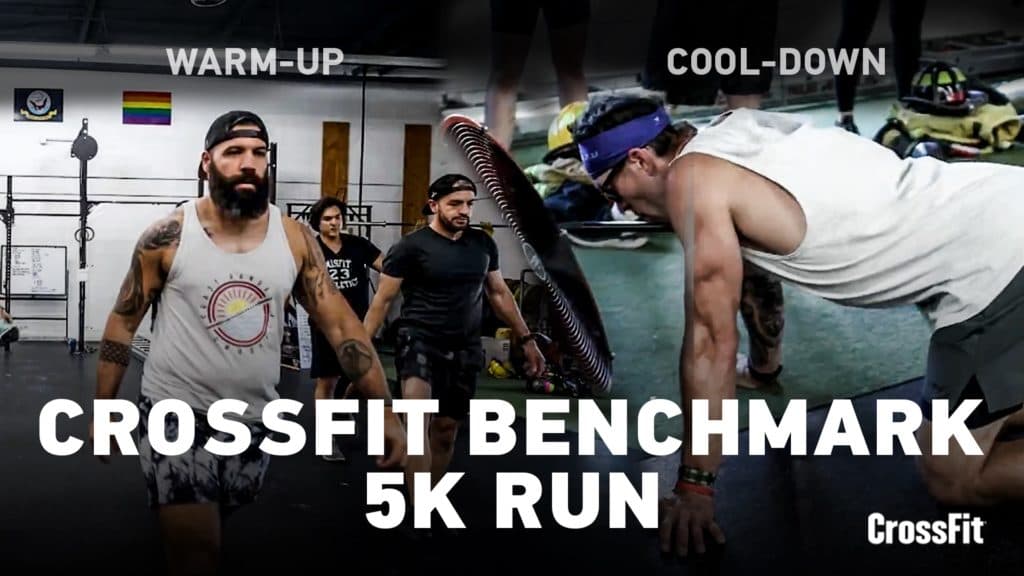
The recurring role shows up in CrossFit’s demo work as well. A 5K-run video features Cara Hipskind of Swift CrossFit in Santa Cruz, California, with warm-up tips from Chris Hinshaw, CrossFit’s aerobic-capacity coach. The emphasis in that demo is the same one written into the workout itself: prepare the legs, respect the distance, and keep the pace under control long enough for the run to answer the question it is asking.
That question is not whether an athlete can hurt for a mile. It is whether the athlete can keep the effort steady for five kilometers without turning the opening quarter into a debt that gets collected at the end. In CrossFit, that is why a plain 5K still matters. It is the rare test that exposes the whole engine without needing anything else on the floor.
This article was produced by Prism’s automated news system from verified source data, official records, and press releases, then run through automated quality and moderation checks before publishing. The system is built and supervised by the people who set the standards it runs under. Read our full AI policy.
Did this article answer your question?