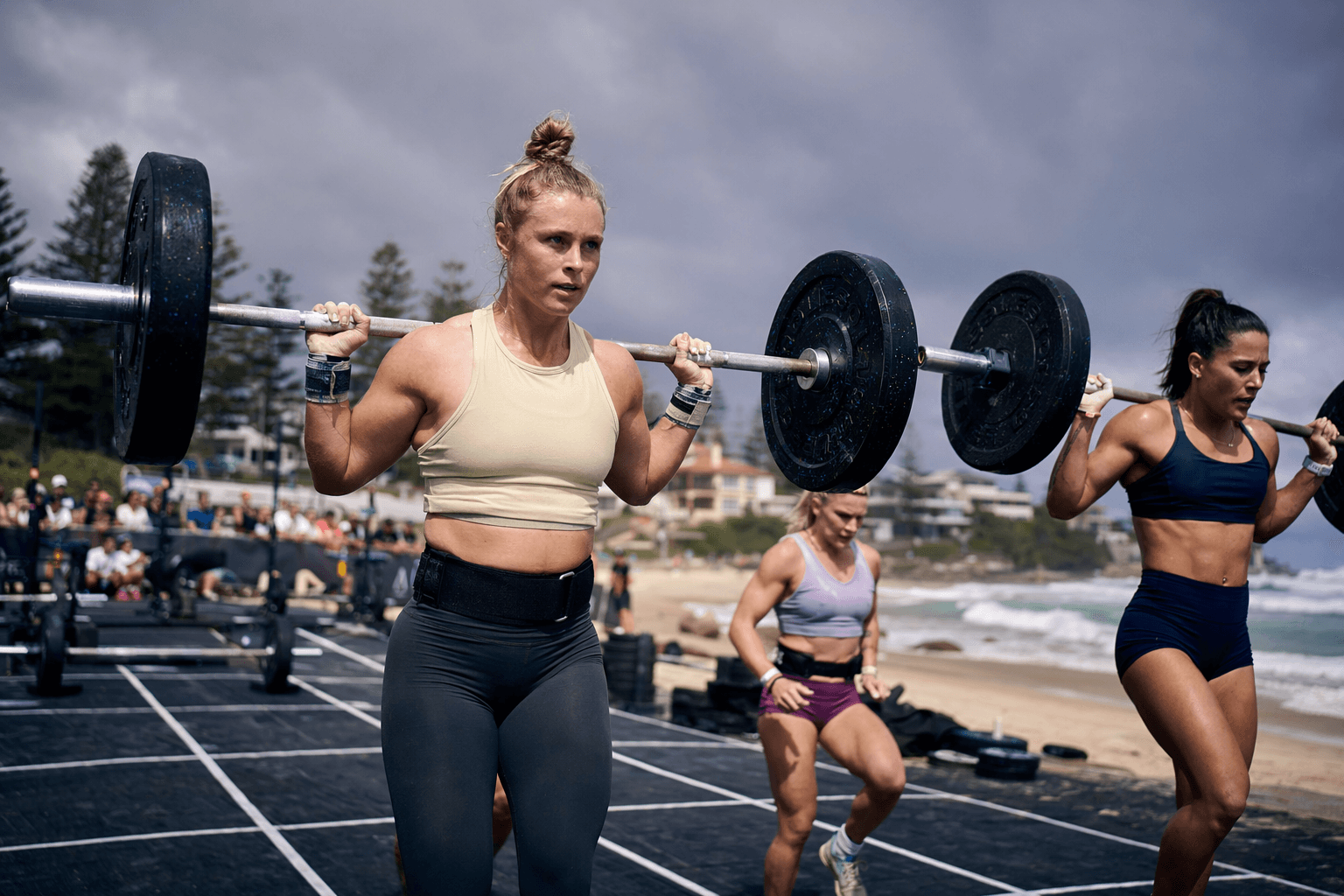
CrossFit research roundup examines appetite and better nutrition balance
CrossFit’s appetite roundup makes one point clear: hunger is a training variable, not a mood. Match intake to workload and recovery gets easier.

The hardest part of a training day can show up after the workout is done: you are drained, appetite is muted or swinging wild, and the next decision determines whether recovery actually starts. CrossFit’s May 12 Research Round Up, “The Science of Appetite,” takes that problem head-on and frames the goal plainly: make how much you want to eat match how much you need to eat.
Appetite is the missing variable
That idea matters because appetite is bigger than hunger. In the CrossFit framing, it is the mix of physiological cues, learned habits, food environment, and food quality that pushes athletes toward under-eating, overeating, or eating in a way that simply does not fit the training load. For anyone trying to build better body composition, hold onto energy, and stay consistent long enough to see results, that mismatch is often where the plan falls apart.
CrossFit places the discussion inside its broader nutrition philosophy, not outside it. The prescription is still “meat and vegetables, nuts and seeds, some fruit, little starch, and no sugar,” and the point is not just what gets eaten, but whether the amount supports exercise and health rather than body fat gain. That is why appetite belongs in the same conversation as performance, recovery, and long-term adherence.
CrossFit’s Nutrition I course reinforces that same structure. It covers food quality and quantity, insulin resistance, critical health markers, supplements, and tactics to make implementation easy. In other words, appetite is being treated as a practical skill to manage, not a feeling to obey blindly.
What hard training does to hunger
The research CrossFit highlights gives athletes a useful warning: training changes appetite signals, but not always in a neat, predictable way. A 2021 PubMed-indexed study found that acute exercise affected hunger, satiety, prospective food consumption, and appetite-related hormones including ghrelin, PYY, and GLP-1. A 2010 PubMed-indexed review reached a similar conclusion, finding that exercise changes appetite perception, energy intake, and weight-control hormones.
That matters on the gym floor. A brutal metcon can leave you too keyed up or too flat to feel hungry right away, even when your body needs fuel. Later, appetite may rebound, which is why athletes often run into the classic trap of under-eating after training, then snapping into heavy hunger late at night when the only options left are fast, convenient, and usually less helpful.
The practical takeaway is simple: do not mistake a quiet appetite for a low need. If training volume or intensity is high, recovery still needs to happen even when hunger is lagging. Eating after hard work is not a reward; it is part of the session.

Late-night hunger is often a systems problem
CrossFit’s appetite piece also fits with the way modern eating patterns can distort hunger cues. In a CrossFit article on meal timing, the National Health and Nutrition Examination Survey data showed Americans eating between 4.2 times per day at the low end and 10.5 times per day at the high end, depending on the percentile. That spread says a lot about how chaotic the eating environment can be: some athletes are spacing meals too far apart, while others are grazing so often that true hunger and true fullness become hard to read.
That is where food quality becomes a hunger-management tool. A 2022 PubMed-indexed review reported that ultra-processed foods account for about 58% of total calories consumed in the United States and 66% among U.S. children. Those foods are easy to overeat, easy to keep snacking on, and often poor at delivering the kind of lasting satiety athletes need when they are trying to hold body composition in check.
Protein helps here. A PubMed-indexed review found that higher protein intake increases thermogenesis and satiety, which is one reason a protein-forward meal can settle appetite better than a high-sugar, low-fiber option. For athletes who get hit with late-night hunger, the fix is often not more willpower. It is better structure earlier in the day: enough protein, enough total food, and meals built to keep appetite stable between sessions.
CrossFit has been making this argument for years
The appetite focus is not new ground for CrossFit. In its “Zone Meal Plans” article on May 1, 2004, Greg Glassman wrote that practicing CrossFit without nutrition is like having “one oar in the water.” That line still captures the logic behind the new Research Round Up: training alone does not carry the boat if food intake is pulling in another direction.
CrossFit later emphasized that the Zone diet works best when athletes first weigh and measure their food. That advice is less about permanent rigidity than about calibration. If your hunger cues have been distorted by irregular meals, high-stress training blocks, or a steady diet of snack foods, measuring portions for a stretch can help you learn what actual need feels like again.
The CrossFit Podcast episode tied to the appetite article reinforces the same theme. Dr. Jason Fung returns to discuss fasting, obesity, hormones, and hunger, with the teaser framing hunger, not willpower, as central to sustainable weight loss. That distinction matters for athletes who keep blaming themselves for cravings that may be driven by training stress, food quality, or meal timing rather than lack of discipline.

How to use the research in real training weeks
The value of this roundup is that it turns appetite into a tool you can actually work with. Instead of trying to force one perfect diet rule, the better move is to match intake to workload and watch how your body responds across different programming blocks.
- After hard metcons, do not wait for hunger to “prove” you need food. Build a recovery meal around protein, vegetables, and enough carbohydrate to support the next session.
- If late-night hunger keeps showing up, look earlier in the day first. Too little protein, too little total food, or too many ultra-processed calories can set up the same problem.
- During weeks with more intensity, expect appetite cues to shift. Exercise itself can change hunger, satiety, and the hormones tied to food intake, so the plan has to account for that.
- If your intake feels guessy, use weighing and measuring long enough to recalibrate. The point is not to live with a food scale forever; it is to make your judgment better.
CrossFit’s appetite roundup lands on a simple but durable idea: appetite is not the enemy, and it is not a command. It is information. The athletes who learn to read it, rather than react to it, put themselves in a better position to recover well, manage body composition, and keep training hard without letting hunger steer the whole plan.
Know something we missed? Have a correction or additional information?
Submit a Tip