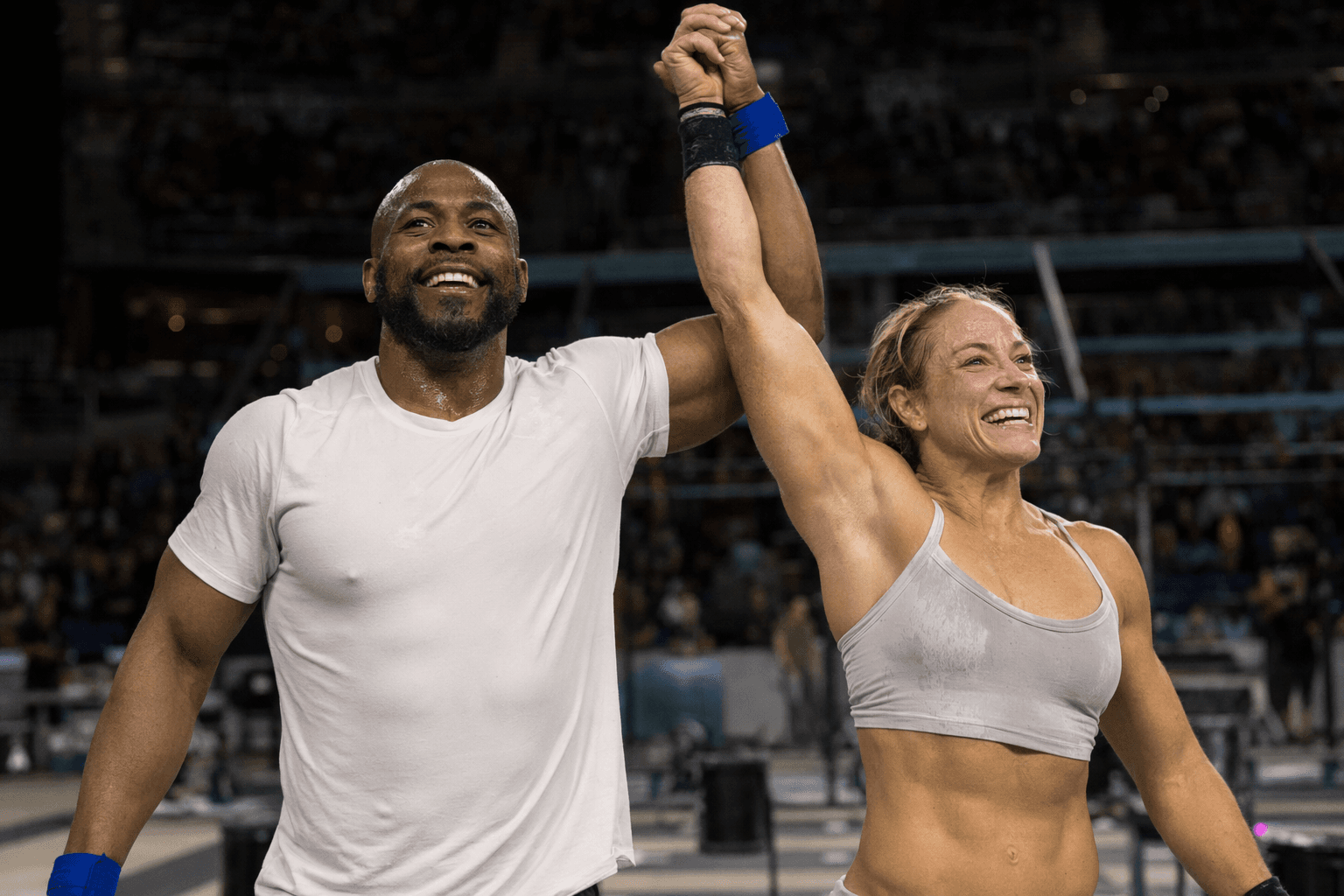
CrossFit story shows how one man trained to donate a kidney
Dave Rueckl turned a 71-pound CrossFit transformation into a kidney-donation mission, showing how training can change a family’s medical future.
A weight-loss story with a much bigger finish line
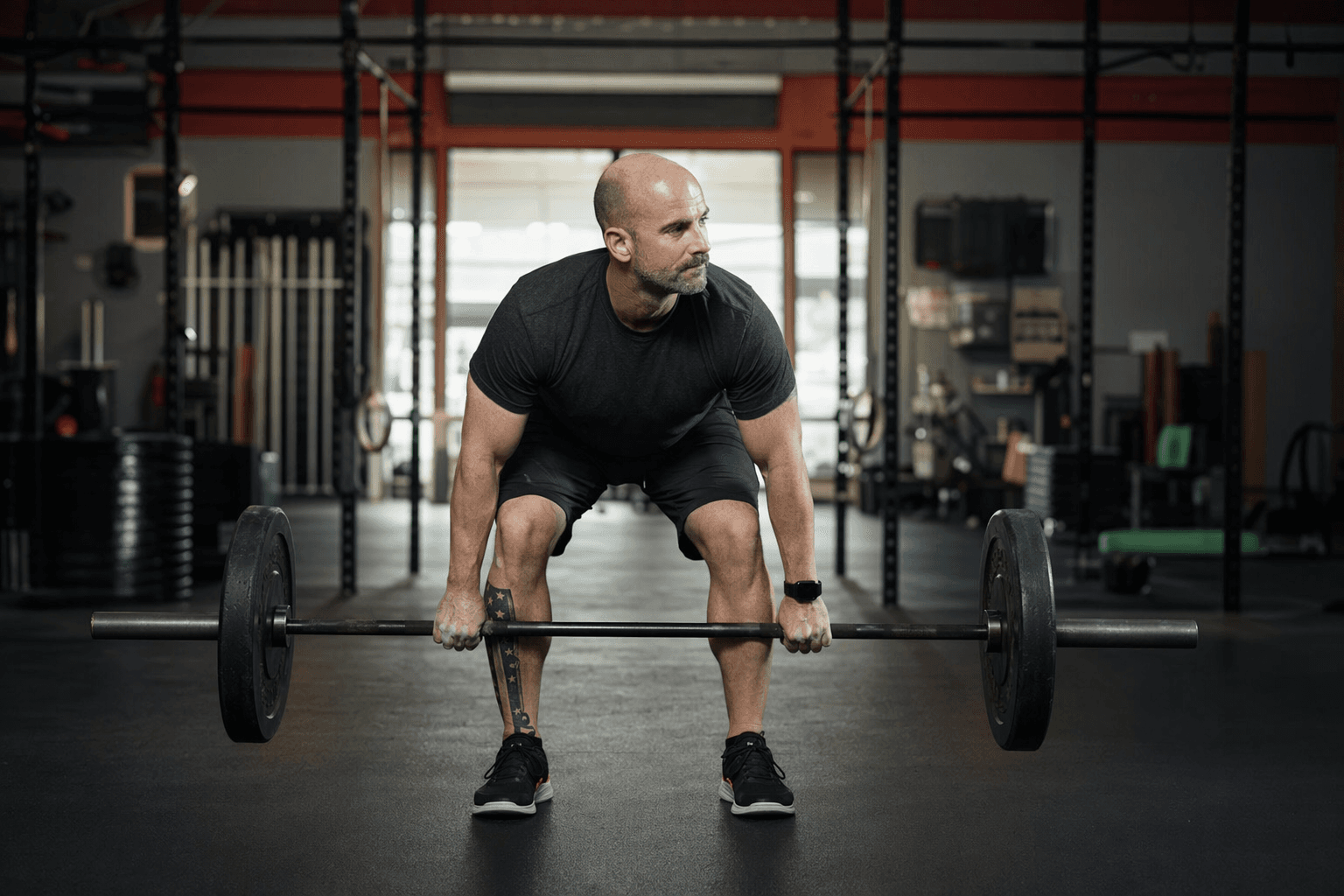
Dave Rueckl did not start training to chase a leaderboard or a podium. He started at 61 with a far more urgent goal: become healthy enough to donate a kidney to his stepdaughter, Becky. That is what makes this CrossFit story hit harder than a standard transformation piece. The result was not just better fitness, but a body prepared for a medical act that could change another person’s life.
Rueckl’s journey lands differently because the stakes were already defined. Becky was born with Henoch-Schönlein Purpura, an autoimmune disease that makes her body attack kidney tissue as if it were foreign. CrossFit says she received her first kidney transplant at 12, lost that transplant to rejection at 18, then lived with a second kidney for about 20 years before another rejection episode in 2022. In other words, this was never about abstract wellness. It was about whether a family could find a path to the next transplant in time.
Why CrossFit became the tool, not the trophy
Rueckl’s wife was ruled out as a donor because of high blood pressure and a small frame, leaving him to step into the role. That choice turned CrossFit from a fitness methodology into a practical medical mission. Instead of training for appearance alone, he trained with a single measurable objective: get his body to a place where kidney donation would be possible.
The proof showed up in the scale, but the meaning went deeper than pounds lost. Rueckl dropped 71 pounds, and that number functions like a milestone marker in the story. It signals discipline, consistency, and the kind of long-term physiological change that can alter a medical evaluation. For older athletes, that is the point worth lingering on: the work was not glamorous, but it was enough to move him toward a life-saving goal.
CrossFit works here because its methodology rewards repeatable effort, measurable progress, and community accountability. Rueckl’s case shows those ideas outside the gym floor and outside the sport. The training did not just make him leaner or stronger. It made him viable as a donor candidate.
The transplant system that made the goal realistic
The story also matters because the transplant process itself has changed. The National Kidney Registry, founded in 2007, was built to increase the quality, speed, and number of living-donor transplants. Its paired exchange model is the key detail that makes stories like Rueckl’s possible: even if a family member is not a direct match, that donor can still enter a network, and the intended recipient can receive a kidney from another compatible donor in the chain.
That structure changes the emotional math of transplant waiting. Before paired exchange systems, families often had to rely on another donor or on a cadaver kidney, which can mean long waits and uncertainty. The registry says it has facilitated more paired exchange transplants than any other organization in the world, and that scale matters because it turns individual desperation into a functioning medical pathway.
For Becky, that meant her family was not left only hoping for the perfect match. For Rueckl, it meant his training had a concrete destination. The gym work and the transplant system were linked from the start: one prepared the donor, the other made the donation network possible.
Why Becky’s diagnosis makes the urgency even clearer
Henoch-Schönlein Purpura is most common in children ages 2 to 6, according to the National Institute of Diabetes and Digestive and Kidney Diseases. In adults, it can lead to chronic kidney disease and kidney failure, including dialysis or kidney transplant. That medical backdrop helps explain why Becky’s case has carried so much uncertainty over time. A disease that begins in childhood can become a lifelong kidney battle.

Research in the Clinical Journal of the American Society of Nephrology found that transplant recipients with HSP face an increased risk of graft failure because the disease can recur, even though overall renal allograft survival is only little affected. A more recent 2025 PubMed-indexed study reported that HSP nephritis can lead to end-stage renal disease in up to 3% of cases. Those numbers are a reminder that transplant is not a single cure-all. It is often a fragile reset that has to survive against the same disease that caused the first failure.
That is why Rueckl’s effort reads as more than inspiration. It is a response to a medical reality that has already taken multiple swings at Becky’s kidneys. His training was one way to fight back in a system where time, matching, and physical readiness all matter at once.
What makes this resonate inside CrossFit
Rueckl is affiliated with CrossFit Green Bay, and his athlete profile on the CrossFit Games site shows he competed in the 60-64 men’s division in the 2024, 2025, and 2026 Opens. That detail matters because it places him squarely inside the everyday CrossFit world, not outside it. He is not being presented as an outlier with a once-in-a-lifetime miracle body. He is an older athlete who kept showing up, season after season, while training toward a real-life obligation.
That is why this story will resonate with affiliates and masters athletes who want proof that CrossFit can still move the needle on long-term health. The lesson is not that everyone should train to donate an organ. The lesson is that measurable fitness can carry consequences far beyond the whiteboard. A stronger, healthier body can become a tool for family, not just a test of performance.
In the end, Rueckl’s 71-pound transformation is compelling because it changed what was possible. It gave one man a shot at helping his stepdaughter in the most direct way imaginable, and it showed CrossFit at its most useful: not as spectacle, but as a path to real-world capability.
Know something we missed? Have a correction or additional information?
Submit a Tip