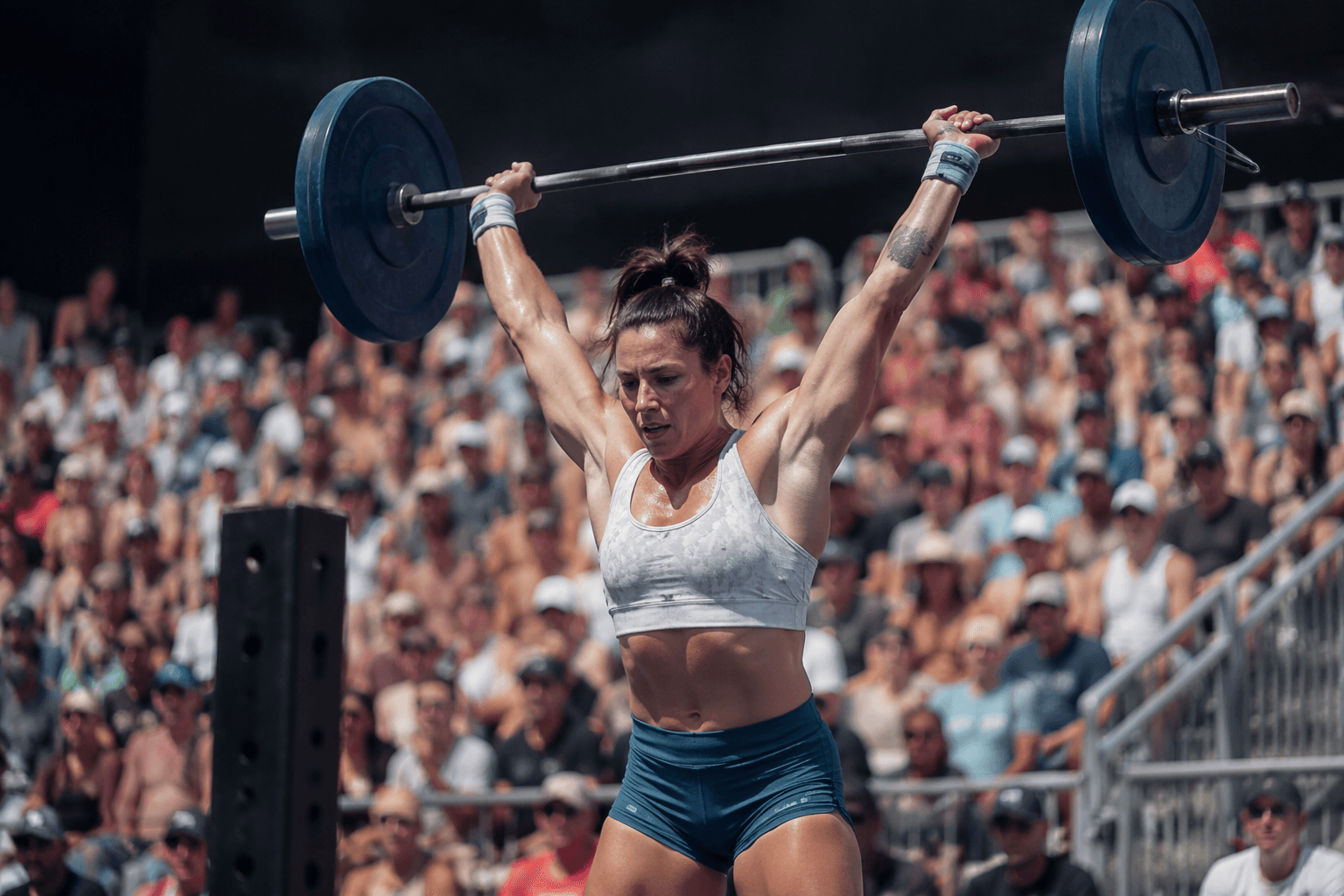
CrossFit says community could be key to better mental health
CrossFit's case is simple: the mental-health lift may come as much from belonging as from burpees. The data behind that claim stretches from WHO to affiliate culture.

Community may be the real recovery tool
CrossFit is making a blunt argument: the mental-health payoff from training may come as much from the room as from the reps. The idea is not that burpees cure anxiety or that lifting alone solves depression. It is that community, routine, accountability, and shared effort can shape how people feel, function, and stay engaged long after the clock stops.
That framing matters because CrossFit is tying a familiar gym story to a broader public-health one. Mental-health disorders are now a leading cause of disability worldwide, and the World Health Organization says nearly 1 in 7 people globally, or 1.1 billion people, were living with a mental disorder in 2021. Anxiety and depressive disorders remain the most common, and WHO specifically identifies strong community ties and positive social interactions as protective factors.
The body and brain are not separate systems
CrossFit’s larger point is physiological: the brain does not operate in isolation, floating above the rest of the body. It depends on energy availability, nutrients, hormone signaling, sleep, movement, and environmental inputs, which means that deconditioning, poor nutrition, undersleep, and inflammation can all show up in mental health as well.
That is where the supporting science starts to line up. A JAMA Psychiatry study CrossFit cites examined 85,748 adults with neuropsychiatric disorders and 87,420 healthy control individuals, and found that poor body health was a marked manifestation of mental illness, especially in the metabolic, hepatic, and immune systems. The message is not that mental illness is simply a physical problem; it is that the two are tightly connected, and any serious wellness model has to treat them that way.
The scale of the problem also strengthens the case. The Institute for Health Metrics and Evaluation’s 2026 Global Burden of Disease update says mental disorders now account for more than 17% of all disability worldwide and are the leading cause of years lived with disability globally. In that context, CrossFit is pushing a broader definition of fitness, one that includes how well people recover, regulate, and cope, not just how much they can deadlift.
Why group training keeps showing up in the data
CrossFit is not relying only on theory. It has previously pointed to a U.S. study of more than 1.2 million adults from 2011 to 2015 that found exercise was associated with a 43.2% decrease in mental-health issues. In that same work, team sports showed the greatest reduction in poor mental health, which helps explain why CrossFit keeps returning to the social side of training.
That finding fits with newer research as well. A 2024 BMJ systematic review and network meta-analysis concluded that exercise can be an effective treatment for major depressive disorder. A separate 2024 review found that social connection factors are independent predictors of mental and physical health, with some of the strongest evidence tied to mortality. Taken together, those studies suggest that the benefits of training may multiply when exercise happens in a setting that also delivers belonging and support.
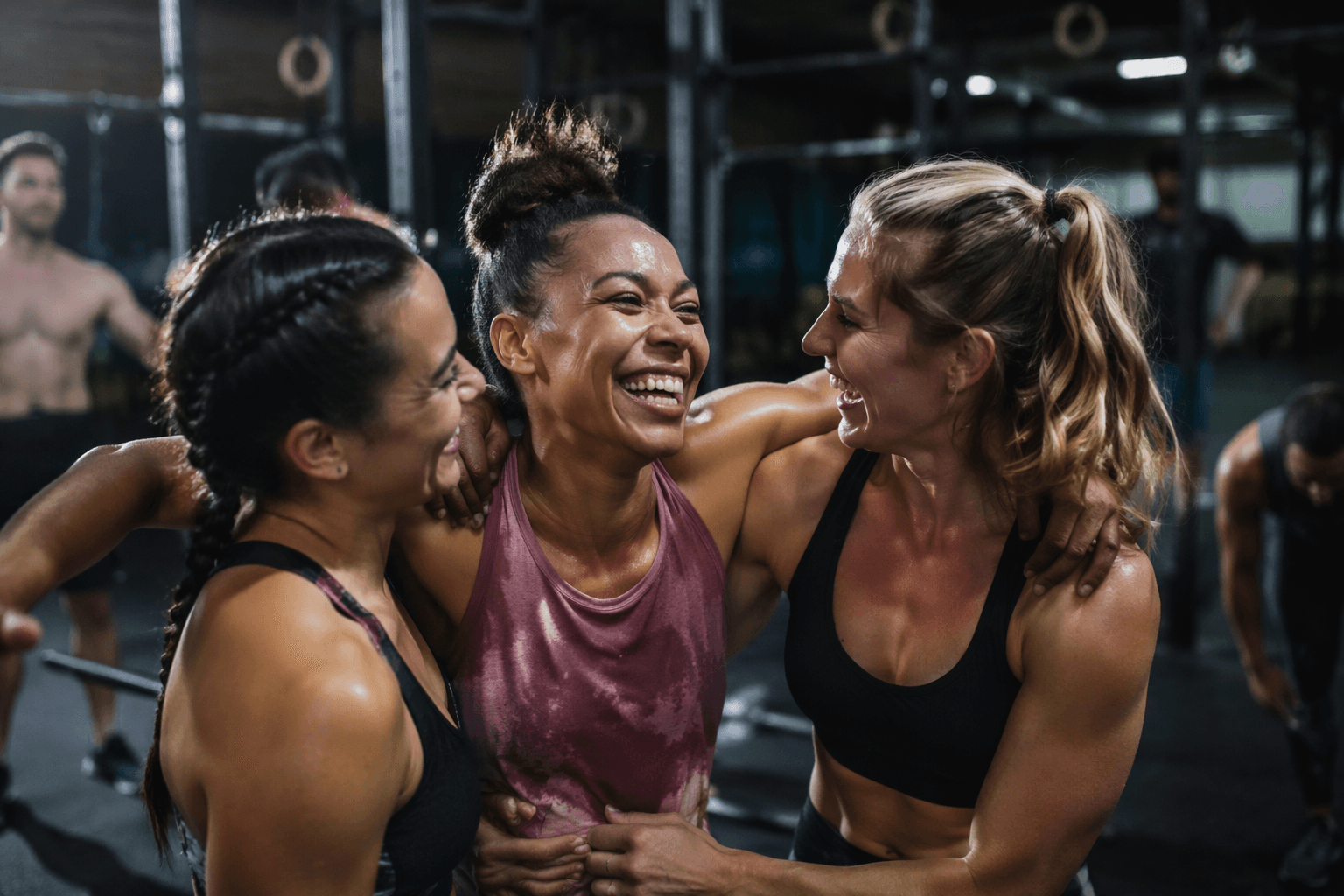
WHO’s own guidance reinforces that logic. The agency says positive social interactions and strong community ties are protective factors, and its mental-health response framework emphasizes community-based care because it can reduce stigma, improve access, and support recovery and inclusion. CrossFit’s community-first framing is not just a branding choice; it sits comfortably inside a growing public-health consensus.
What affiliates are being asked to provide
The affiliate level is where CrossFit tries to turn that research into something tangible. The CrossFit Affiliate Community Empowerment Program says affiliates support not only physical health but mental health as well, which makes the gym more than a place to chase a score. It becomes a setting where people are seen, expected, and kept in the mix.
That is also where culture starts to matter as much as programming. Two gyms can run the same workout and produce very different outcomes if one space is welcoming, consistent, and socially connective, while the other is cliquey or transactional. Retention, confidence, and well-being are shaped by how coaches communicate, how members are received, and whether athletes feel like they belong before they get fit.
CrossFit Health has tried to formalize that idea by positioning itself as a place for healthcare professionals to support patients using the CrossFit community. The point is bigger than referrals or exercise prescriptions. It is a recognition that a gym can function as part of a care ecosystem when the social environment is strong enough to keep people engaged.
CrossFit is making mental health part of its core identity
This is not a one-off argument from CrossFit. The organization ran a 10-part CrossFit for Health Summit lecture series in 2024 that covered fitness, performance, longevity, chronic disease, mental health, and community. That breadth matters because it shows the company is trying to connect the dots between training culture, public health, and the realities members live with outside the gym.
CrossFit’s content ecosystem has kept pushing in the same direction. A CrossFit Health podcast featured Bill Anthes of Between the Ears discussing mental health, mental fitness, and tools available in affiliates. Other coaching content has also highlighted the role of psychologists and mental performance experts in helping coaches build athletes’ mental game over time. The through-line is clear: the organization is treating resilience as a trainable quality, not a side effect.
That is why the most important takeaway from CrossFit’s latest argument may be cultural rather than clinical. The workouts still matter, but the evidence increasingly suggests that the environment around them may matter just as much. In CrossFit’s world, the sweat is part of the story, but the belonging may be what keeps people healthy enough to stay in it.
This article was produced by Prism’s automated news system from verified source data, official records, and press releases, then run through automated quality and moderation checks before publishing. The system is built and supervised by the people who set the standards it runs under. Read our full AI policy.
Did this article answer your question?