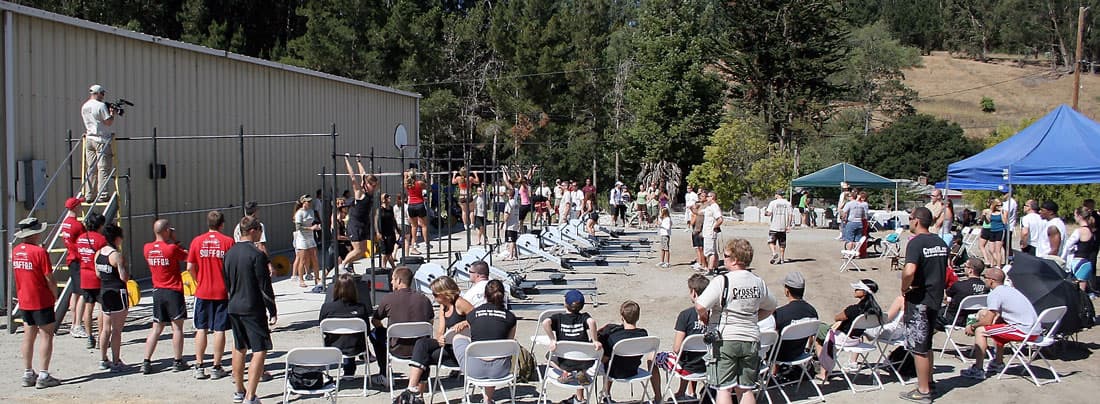
CrossFit says course hallway conversations are key to coaching growth
CrossFit is selling more than certification. Its courses pay off in real coaching corrections, hallway learning, and a network that changes how affiliates run class the next day.
The value is not just in the syllabus
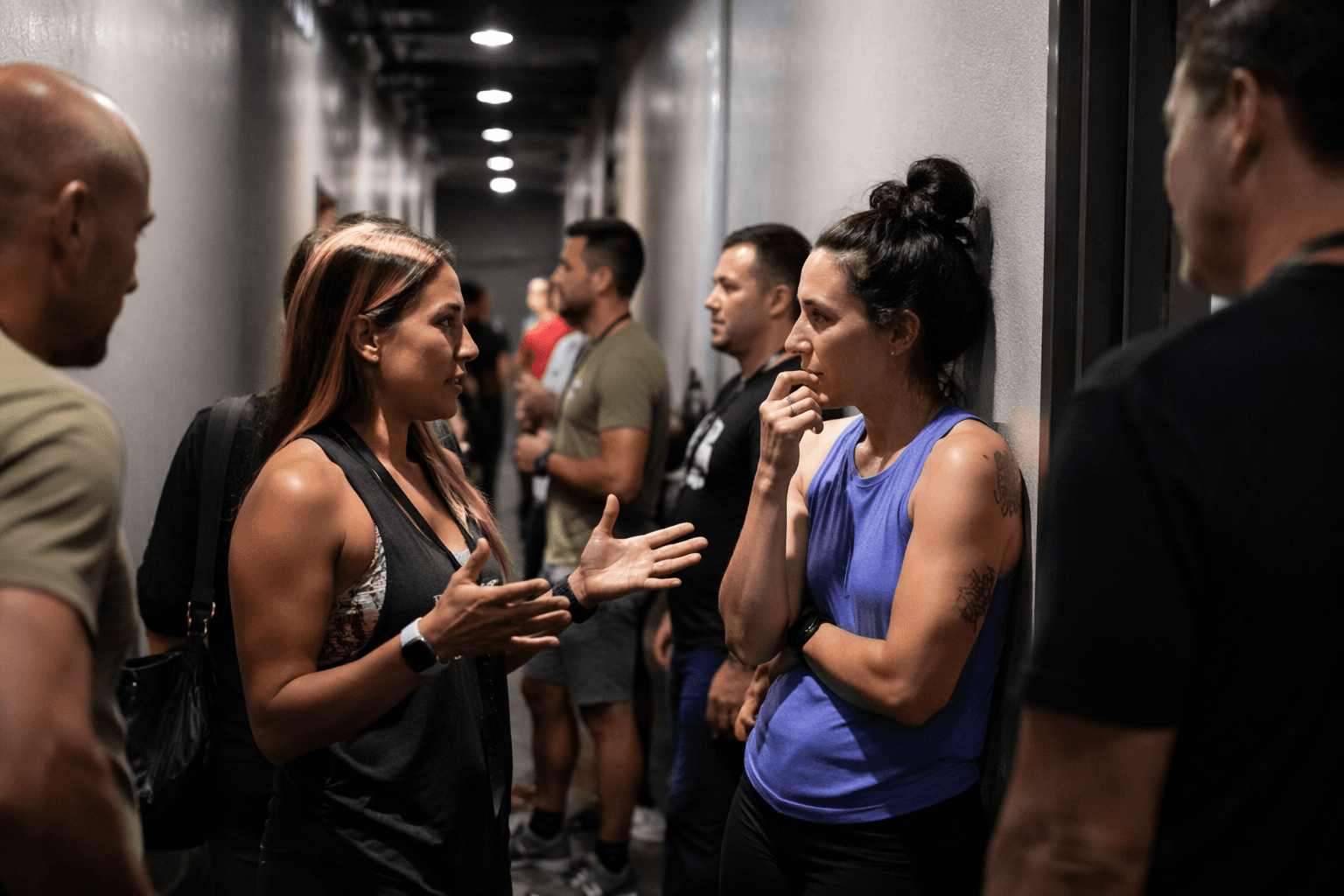
CrossFit’s latest message to coaches is blunt in a way only the sport can be: the best part of a course is often what never appears on the agenda. The curriculum at a Level 1 or Level 2 Certificate Course matters, but the real return comes from the coaching corrections, unscripted conversations, and live problem-solving that happen between sessions and on the floor.
That framing matters because CrossFit is not positioning education as a passive classroom exercise. It is presenting its course model as a working environment, one where coaches watch experienced instructors solve movement, programming, and class-management problems in real time, then carry those lessons back to their own affiliate the next week. For coaches and aspiring trainers, that is the ROI story: not just a credential, but a better way to run a class, cue a movement, and spot what needs fixing before it becomes a habit.
Why the hallway matters
CrossFit’s own language makes the point clearly: what tends to stay with experienced coaches are the parts that were not formally on the agenda. That means the hallway conversation after class, the quick correction between reps, the question asked during a break, and the answer that comes from someone who has spent years coaching athletes through the same mistake.
Those moments are hard to package, but they are often the most durable part of the experience. A coach may arrive expecting lecture notes and leave with a sharper eye for mechanics, a better feel for scaling, and a practical model for how to communicate under pressure. That is why the course environment itself becomes part of the education. It is not just about receiving information. It is about seeing how an experienced coach works, then translating that method into your own gym floor.
What Level 1 actually gives you
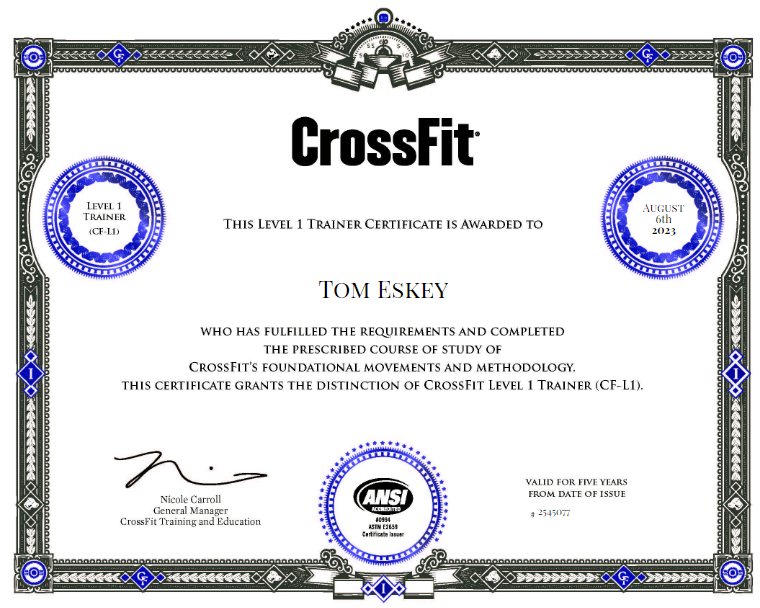
CrossFit describes the Level 1 Certificate Course as an introductory course built around two days of classroom instruction, small-group training sessions, and coach-led workouts. That structure matters because it puts theory and practice in the same room. Coaches are not only hearing the fundamentals of CrossFit, they are watching them applied, corrected, and reinforced in motion.
The most important procedural change is that the Level 1 test is now administered online after the course, effective April 1, 2025. That shift moves even more of the value away from an on-site exam and toward the live coaching experience itself. The message is clear: the course is no longer just a hurdle to clear at the end of Day 2. It is a chance to absorb how the teaching works before the test ever shows up.
For coaches, that matters because the credential is only part of the payoff. The real gain is the practical fluency that comes from two days inside a coaching environment, where the standards are visible and the feedback is immediate.
How Level 2 raises the bar
The Level 2 Certificate Course builds on Level 1 with two days of classroom work, one-on-one training, and group sessions focused on coaching quality, program design, and implementation. If Level 1 establishes the framework, Level 2 sharpens the execution. It is aimed at coaches who want to be better at running a class, organizing a program, and making decisions that hold up when the room is full and the clock is moving.
That distinction is central to the return on investment. Level 2 is not simply more material. It is a more demanding look at how a coach thinks, how a session is structured, and how a program is delivered in a way athletes can actually follow and progress from. The one-on-one training element is especially valuable because it creates the kind of direct correction that rarely happens in a typical affiliate environment, where coaches are often juggling multiple athletes at once.
For an aspiring trainer, the course is a way to compress years of trial and error into a focused experience with people who already know what good coaching looks like.
The instructors are part of the product
CrossFit’s participant handbooks make another point that supports the company’s argument about the value of in-person learning. Level 1 instructors must have passed the Level 1 test, hold a current CF-L2 credential, and have worked at or owned a licensed CrossFit affiliate for at least one year. Level 2 instructors must hold at least CF-L3 and have worked at or owned a CrossFit affiliate for at least one year.
That is not a random staffing model. It means the people teaching these courses are not just reading from a slide deck. They are experienced practitioners with real affiliate backgrounds, which is exactly why the unscheduled moments carry weight. When the person in front of the room has lived the problems you are trying to solve, the advice lands differently. It feels less like theory and more like a field-tested fix.
That is also why the hallway conversation becomes an asset. The formal instruction sets the standard, but the informal exchange is where a coach often gets the last useful piece of the puzzle.
A large system built around live learning
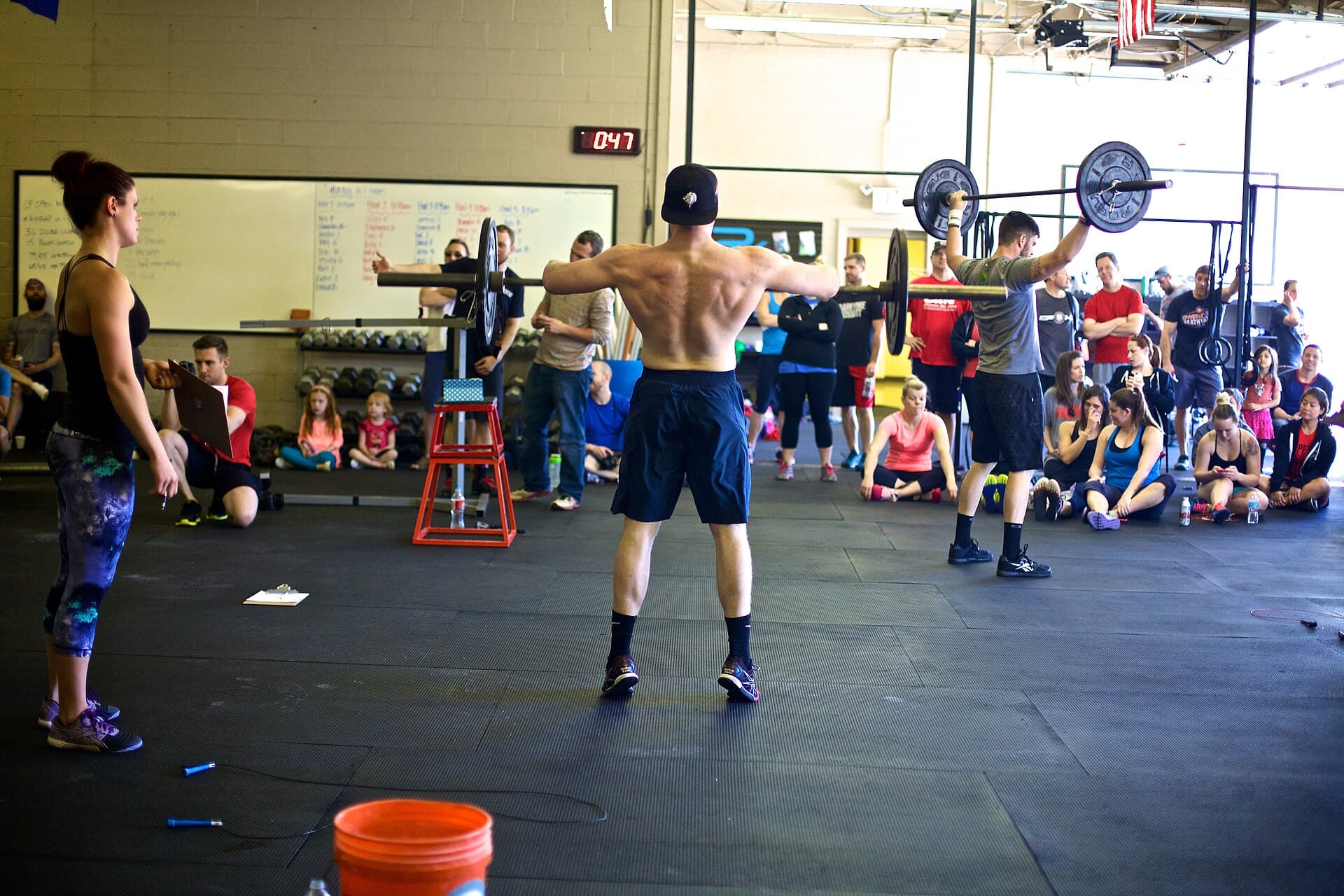
CrossFit says more than 300,000 athletes have experienced the Level 1 Certificate Course since 2008. It also says the company now has more than 12,000 affiliated gyms in 150+ countries. Put together, those numbers explain why a course can matter far beyond the room it is taught in. Every stronger cue, cleaner demo, and better correction can travel into a larger network of affiliates that already functions as CrossFit’s main delivery system.
That broader ecosystem is why course culture matters so much. CrossFit’s model depends on affiliates, and affiliates depend on coaches who can translate principles into good class management and better athlete outcomes. The education pipeline is not a side project. It is part of how the brand sustains itself, through a mix of certification, credibility, and community accountability.
CrossFit’s daily publishing cadence reinforces that same idea. The Workout of the Day page is not just a prescription for training. It is also a place where training, culture, and education sit side by side, with rest-day content living next to athlete comments and workout logging. The platform behaves like a bulletin board for the community, not just a homepage for the prescription.
The bigger calendar tells the same story
CrossFit’s event calendar keeps leaning into live, in-person exchange. The 2026 CrossFit Owners and Coaches Conference is scheduled for July 22-23, 2026, in San Jose, California. CrossFit describes it as the sport’s two-day premier event and an affiliate team-building experience ahead of the 20th CrossFit Games season.
That timing is not accidental. The first CrossFit Games were held in Aromas, California, in 2007, and the 2026 CrossFit Games are set for July 24-26, 2026, at the SAP Center in San Jose, California. The conference arrives just before the Games, turning the week into a concentrated gathering point for affiliates, coaches, and the broader CrossFit community.
Taken together, the course model, the credential structure, and the summer conference calendar point to the same conclusion: CrossFit wants coaching development to be lived, not just studied. The slides matter, the standards matter, and the test matters. But the most valuable part of the experience is still the same thing experienced coaches remember afterward, the correction in passing, the question asked in the hall, and the lesson that changes how class gets run on Monday.
This article was produced by Prism’s automated news system from verified source data, official records, and press releases, then run through automated quality and moderation checks before publishing. The system is built and supervised by the people who set the standards it runs under. Read our full AI policy.
Did this article answer your question?