Grip-heavy CrossFit workout pairs hang squat cleans with rope climbs
The workout is really a grip test in disguise, and the clean strategy matters more than most athletes think. Push the bar too hard and the rope climbs expose you fast.
Friday’s for-time couplet looks clean on paper and savage in practice: 15 hang squat cleans, 5 rope climbs to 15 feet, then 12 cleans and 4 climbs, then 9 and 3. The practical question is simple and brutal at the same time: when do you stop cycling the bar so you still have enough grip, breathing, and trunk stability to survive the rope? At 105 pounds for women and 155 for men, CrossFit expects most athletes to land under 10 minutes, with the sharper end of the field pushing toward the 6-minute mark.
The pace trap
The descending ladder tempts you to race the opening round as if the workout is already getting easier. It is not. The first 15 cleans and 5 rope climbs are where athletes usually spend the grip reserve they will need later, because the hang position and the rope both punish the same weak link: the forearms and midline.
CrossFit sets the boundary at a load that lets each round of hang squat cleans get done in no more than three sets. That is the line between moving aggressively and digging a hole. If the bar turns into a string of singles before you reach the rope, you are no longer managing the workout, you are surviving it.
Why the hang squat clean matters more than the rep count suggests
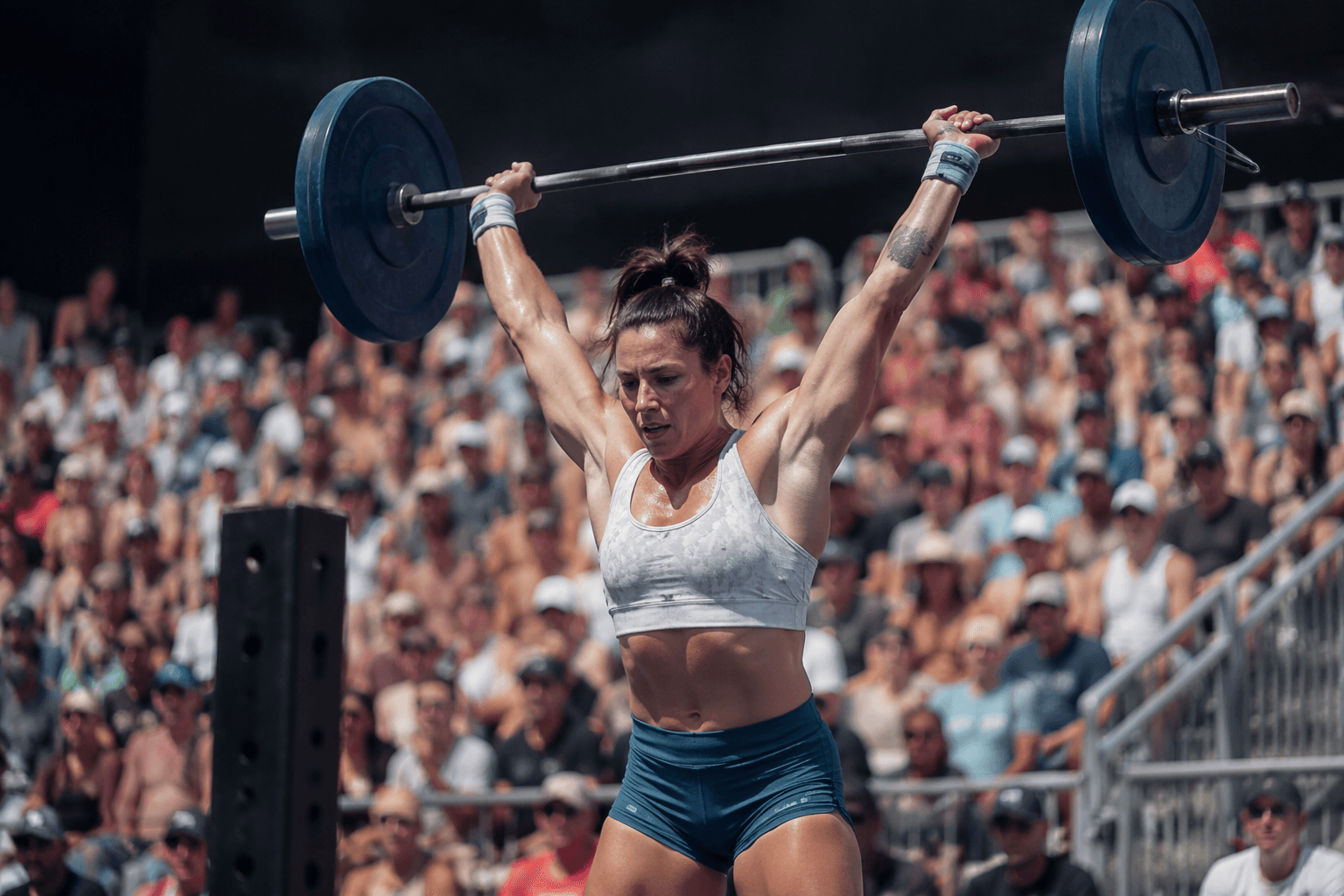
The hang squat clean is not just a lighter clean taken from the middle of the thigh. From the hang, the movement emphasizes the second and third pulls, then demands timing, powerful hip extension, coordination, and a squat receive. It is also a chance to practice full hip and leg extension, plus speed under the bar.
That matters here because the clean is the setup for the rope, not a separate event. If you pull early with the arms or let the bar drift away from the body, you burn the exact muscles you need for the climb. Efficient reps keep enough in the tank that your hands are still useful when the rope starts to bite.
For most athletes, the right question is not “Can I do the first 15 unbroken?” It is “Will unbroken cleans leave me too cooked to climb well?”
Where the rope climb decides the workout
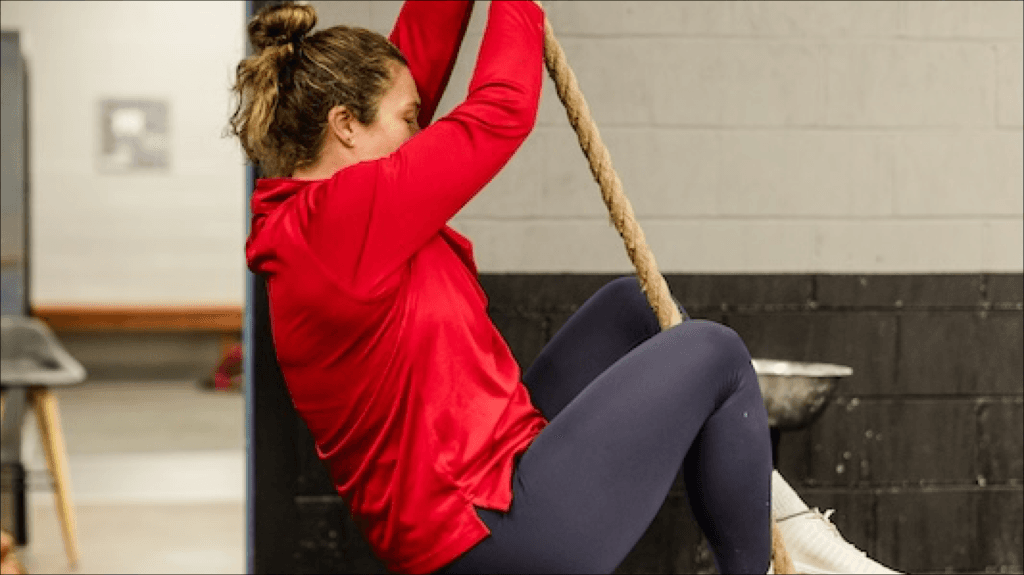
Rope climbs have long been a staple of CrossFit and military training, and they are valuable because they expose both grip strength and pulling strength in a way few movements do. Progressions such as basket climbs and pull-to-stands exist for a reason: the climb is a skill before it is a suffering contest.
The strategy is straightforward. Secure the foot hook first, then climb with the legs and body position, treating the movement more like a stand or a squat than an arm pull. That is the practical difference between a rope climb that preserves your output and one that detonates it.
The 15-foot target in the Rx version is where sloppy footwork gets expensive. On the intermediate version, the rope drops to 12 feet and the barbell falls to 95 pounds for women and 135 for men. The beginner version removes the full climb altogether, replacing it with pull-to-stands and a lighter bar at 35 and 45 pounds. Those changes do not erase the workout’s pressure. They move the limit farther from failure.
Who this rewards, and who it exposes
This is a workout for athletes who can cycle a moderate barbell without getting greedy and who know how to climb without yanking. It rewards smooth first pulls, quick elbows, controlled breathing, and the discipline to stop a set before the bar speed falls off a cliff. It punishes anyone who tries to turn the opening round into a highlight reel.
The descending format makes the trap worse. Because the reps get smaller, athletes convince themselves the hard part is behind them. The opposite usually happens. Forearm fatigue accumulates, the trunk starts to wobble, and the final 9 cleans plus 3 climbs can feel nastier than the first round ever did.
Rich Froning’s lead in the 2010 Games final events slipped after rope trouble, and the 2011 CrossFit Games also featured a major rope-climb test.
How to scale it without softening the stimulus
The scaled versions only work if they preserve the same problem: repeated pulling under fatigue. If you drop the load too much or treat the rope like a casual accessory, you miss the point. The best scaled version still asks you to manage grip, breathe under tension, and move with purpose.
A useful way to handle the workout in class:
- If the cleans are taking more than three sets, the load is too heavy for the intended pace.
- If the rope hook is not automatic, spend warm-up time on foot placement before the clock starts.
- If full rope climbs are a stretch, use pull-to-stands or basket-climb progressions and keep the movement pattern honest.
- If you are rushing the first round, remember that the last round is the one that usually exposes the cost.
CrossFit’s 2026 Games season is being delivered through the app and website, alongside daily programming, education, and competition.
This article was produced by Prism’s automated news system from verified source data, official records, and press releases, then run through automated quality and moderation checks before publishing. The system is built and supervised by the people who set the standards it runs under. Read our full AI policy.
Did this article answer your question?