Army trains soldiers on FPV drones in race-like course at Camp Humphreys
Twenty-four soldiers ran a FPV course at Camp Humphreys on a whoop-style Air 75, turning military training into a tight-space test of racing skills.
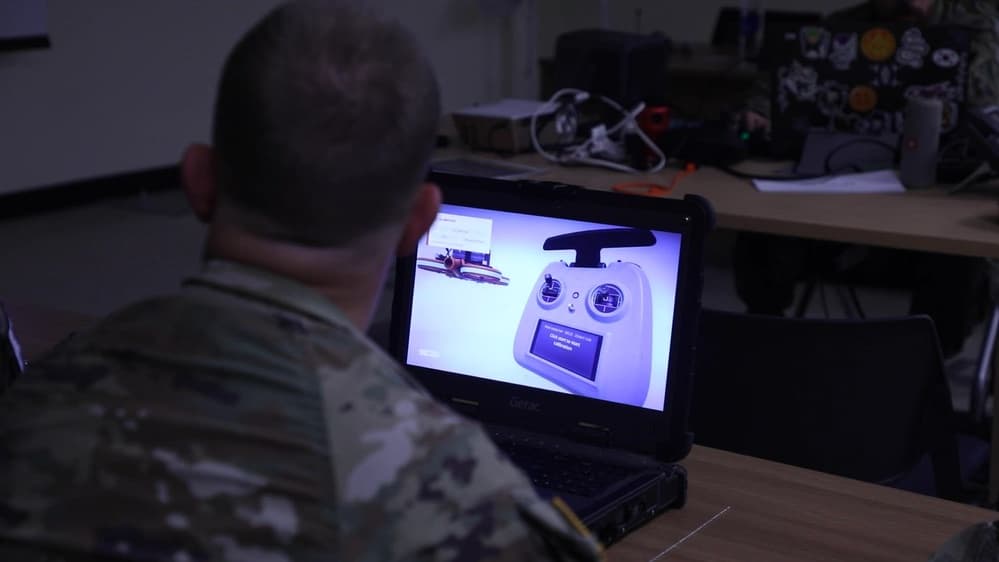
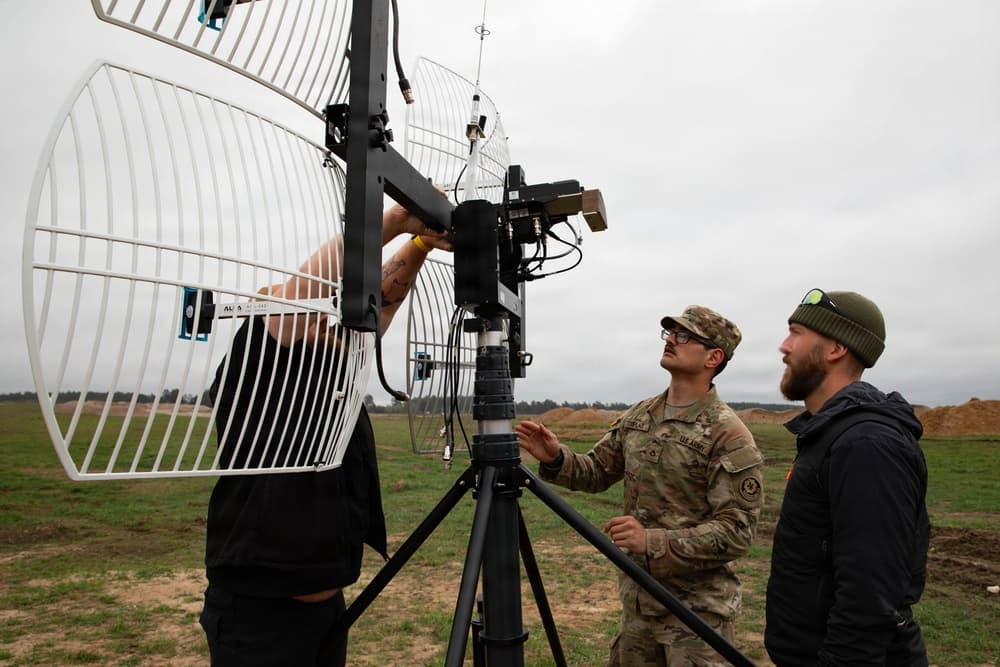
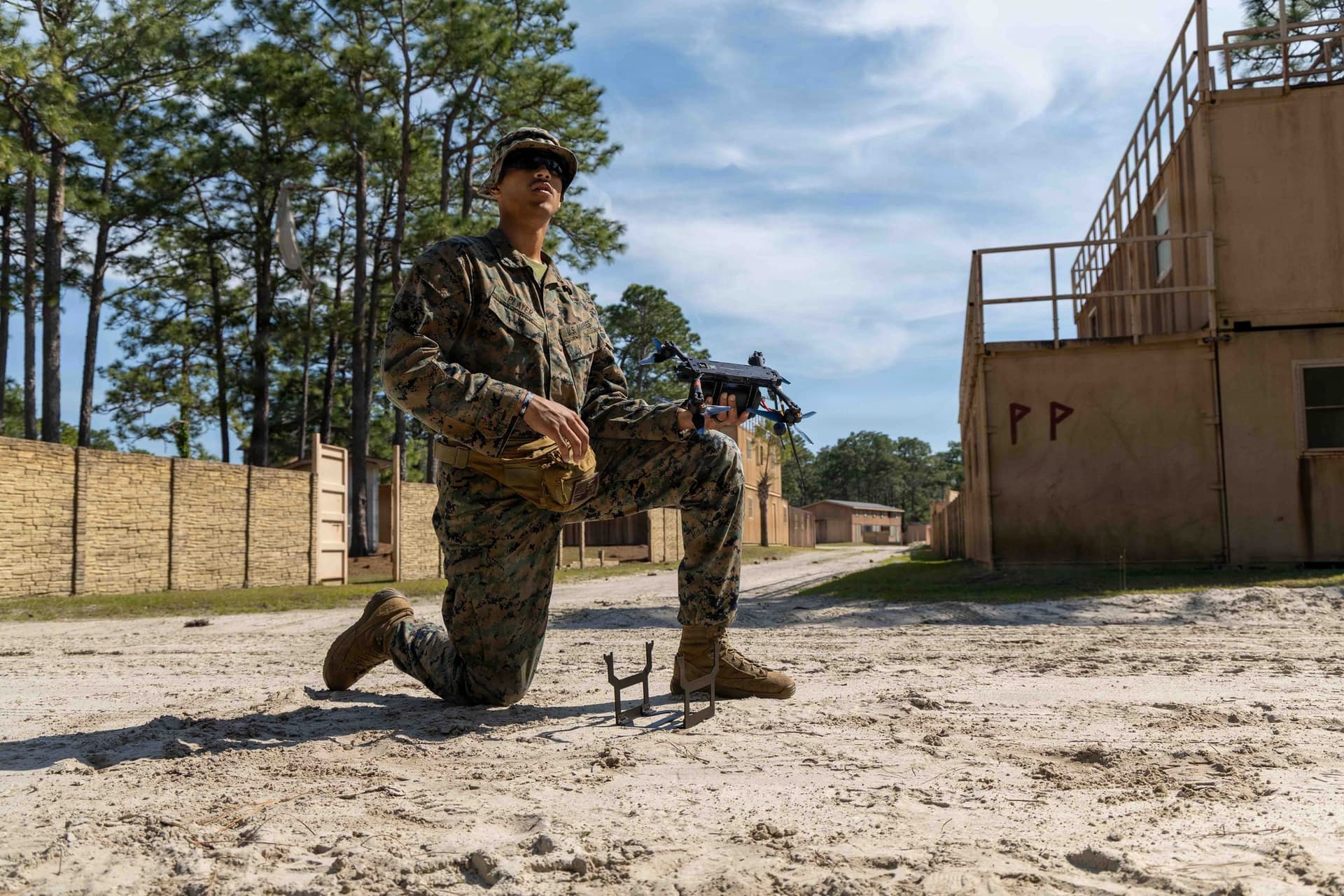
Twenty-four U.S. Army soldiers moved through a tight FPV course at Camp Humphreys, where a compact whoop-style drone made the training feel closer to indoor drone racing than a standard field exercise. The Warrior FPV Drone Course, documented in a video posted May 12, took place on May 7 at the Talon Skills Maneuver Drone Course and brought together soldiers assigned to the 2d Infantry Division and the ROK-U.S. Combined Division.
The drone at the center of the session was the Whoop: Beta First-Person View Air 75, a platform built for confined flying and fast corrections. That choice matters for racing pilots because the same aircraft traits that punish sloppy inputs in a race gate also reward precise throttle discipline, clean line selection and immediate recovery in tight space. In other words, the Army was not just teaching launch and landing. It was training operators to fly with the kind of control that FPV racing demands every lap.
The setting added weight to the exercise. Camp Humphreys is the largest overseas U.S. military installation in the world, and the 2d Infantry Division/ROK-U.S. Combined Division is the only combined division in the world, according to Army material. That makes the drone course more than a one-unit experiment. It sat inside a joint U.S.-Korean training environment where emerging drone skills are being tied directly to readiness.
The FPV session also fit a broader Army push. On April 29, the service linked drone integration with deeper U.S. and ROK alliance training, and on March 30 it said it was implementing a force-wide doctrine overhaul built around lessons from uncrewed aircraft systems. The Army Aviation Center of Excellence has gone even further, using commercial off-the-shelf drones and simulation software in its Unmanned Advanced Lethality Course, with soldiers logging 20 to 25 hours of simulator time before moving to live flight. That progression echoes what the best racing programs already know: repetition in a simulator builds the muscle memory that shows up when the course gets narrow, fast and unforgiving.
For drone racing, the message from Camp Humphreys is clear. The same compact machines that sharpen a pilot’s hands in a race environment are now being folded into structured military training, where speed matters, but control matters more.
Know something we missed? Have a correction or additional information?
Submit a Tip