U.S. Army tests longer-range drone for fire support in Poland
Three Soldiers flew a Group 3 drone in Poland to test fire-support targeting, a trial that points to bigger range and VTOL demands beyond FPV.
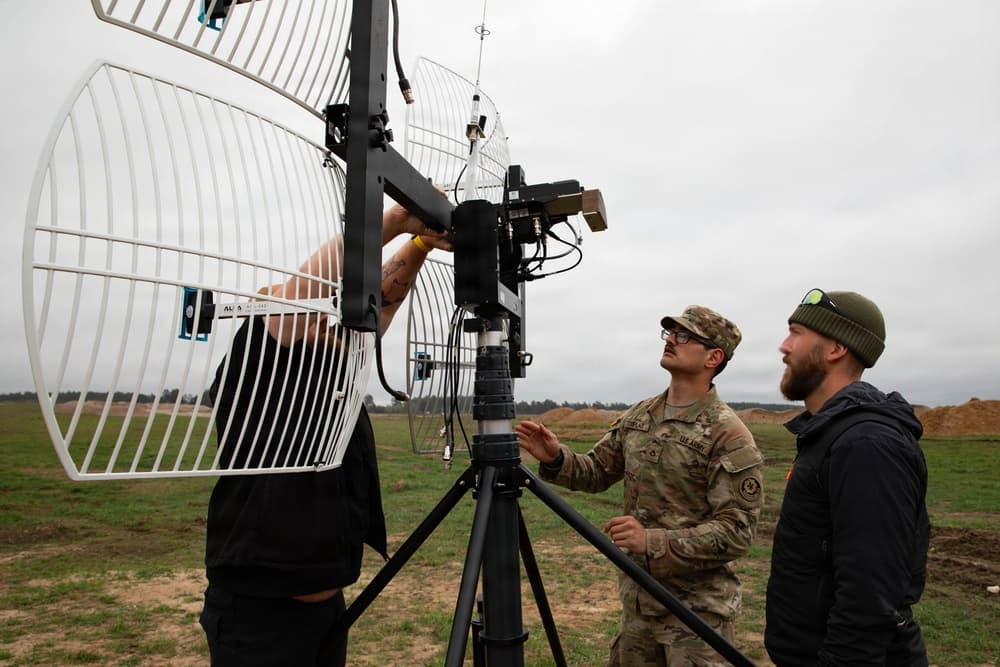
Three Soldiers from the U.S. Army’s 2nd Cavalry Regiment put a Group 3 unmanned aircraft system through a fire-support coordination exercise at Bemowo Piskie Training Area in Poland, testing whether a larger drone can become part of the regiment’s real sensor-to-shooter workflow. The May 7 run, part of Saber Strike 26, was not a simple familiarization hop. It was a practical check on a system heavier than 55 pounds that is built to fly farther than the short-range drones many racing fans know best.
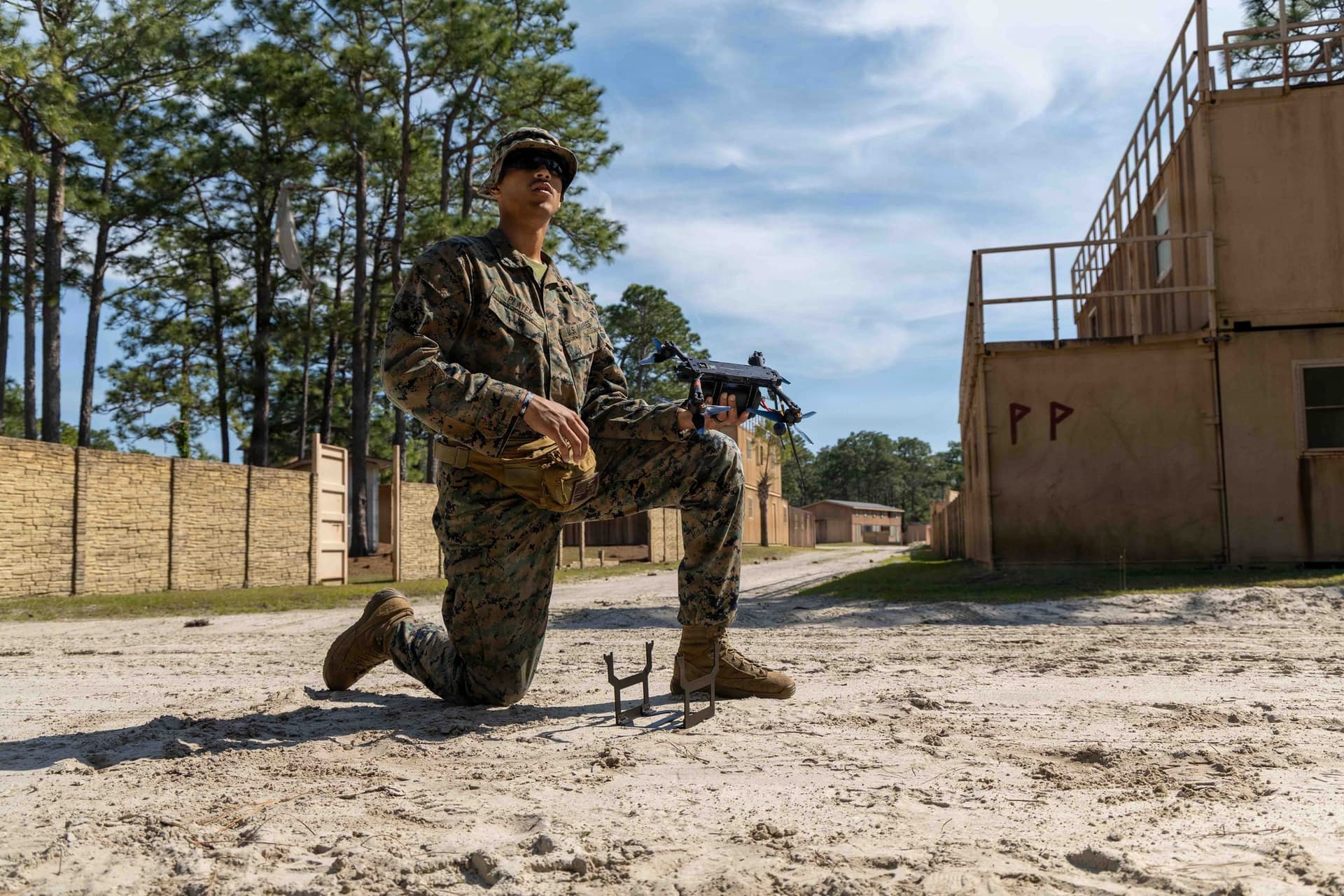
The range gap was the point. One Soldier said the regiment’s short-range systems cover about five to seven kilometers, while medium-range reconnaissance platforms can reach 30 kilometers or more. That makes longer-range testing valuable not only for the Army’s targeting needs but also for the wider drone ecosystem, where endurance, link stability and launch flexibility are becoming just as important as raw stick time. During the exercise, mission sets were sent in real time and the drone’s gimbal camera was used to confirm friendly forces, possible enemy camps and target accuracy, putting the aircraft squarely in the intelligence, surveillance and reconnaissance lane.
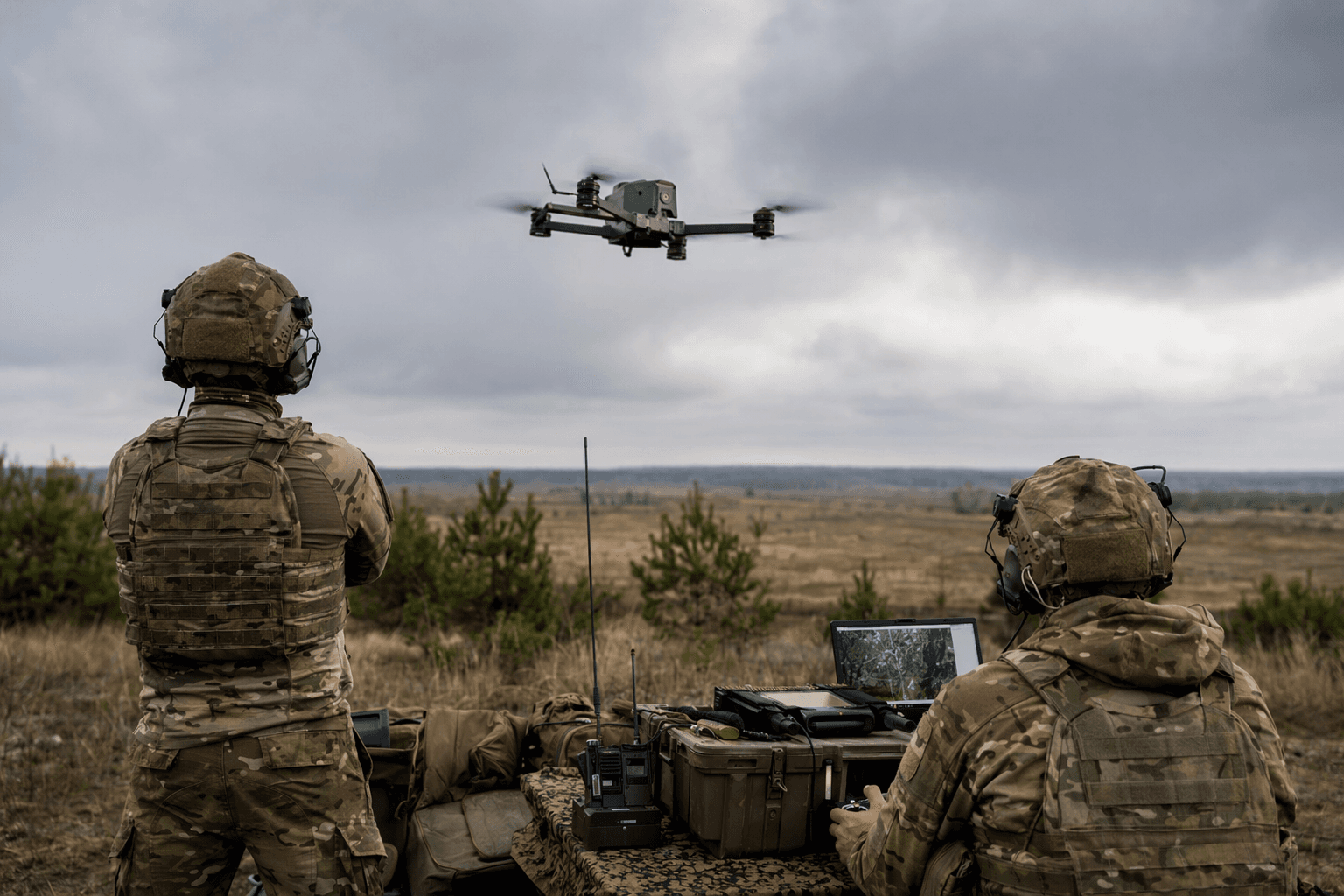
The test also showed how the Army is trying to move away from legacy assumptions about what a tactical drone should look like. The aircraft was compared with the RQ-7B Shadow, which it is meant to resemble in capability but not in size or logistics burden. The newer system was described as having a smaller footprint and weight, plus vertical takeoff and landing, a combination that matters on constrained training areas and in fast-moving field conditions. That same portability is central to the Army’s FTUAS modernization push, which is aimed at replacing the Shadow with a runway-independent platform. Industry reporting says the service selected a Northrop Grumman and Shield AI team in 2023 for a prototype phase.
The Saber Strike trial sat inside something larger than one drone demo. DVIDS coverage said Saber Strike 26 is part of Sword 26, a U.S. Army Europe and Africa exercise series running from late April through May 2026 across eight countries in the High North, the Baltic region and Poland, with nearly 15,000 troops from eleven nations involved. On May 3, Staff Sgt. Terrence A. Giles said the regiment’s Launched Effects Battery is intended to make drones a core part of the unit’s structure, while 1st Lt. Ethan Moore was identified as the UAS platoon leader in the 409th Military Intelligence Company. Capt. Seth Evans also worked with Polish artillery soldiers and fixed-wing pilots during the broader fires drill. For drone racing, the message is clear: the frontier is widening from agility and latency to endurance, course planning and video-link reliability, and the Army is already racing to define that future.
Know something we missed? Have a correction or additional information?
Submit a Tip