Multinational troops train drone skills in African Lion 26 exercise
More than 20 troops from four nations graduated from African Lion’s first drone academics in Agadir, a sign that FPV-style skills are going multinational.

More than 20 service members from Morocco, Ghana, Nigeria and the United States graduated from the inaugural African Lion drone academics in Agadir, Morocco, putting small unmanned aircraft systems training inside one of Africa’s biggest military exercises and giving the sport of drone flying a clear globalization marker.
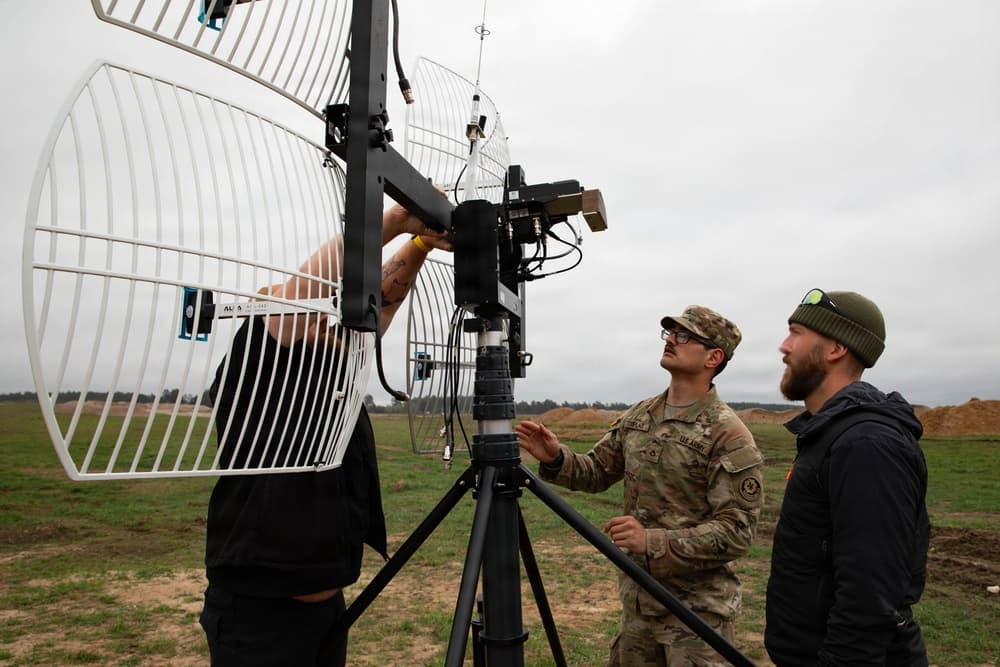
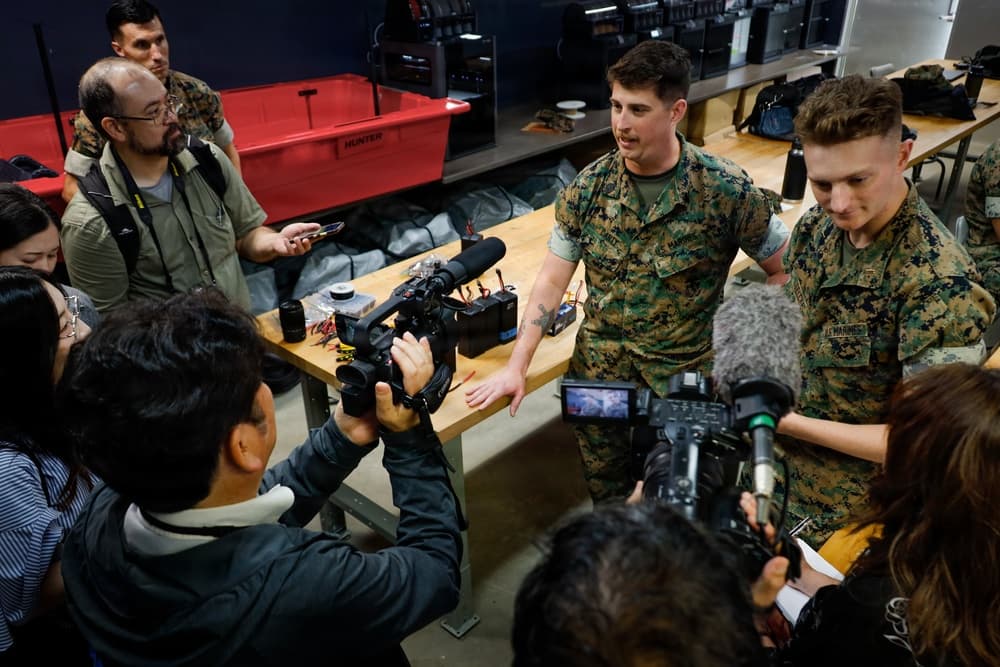
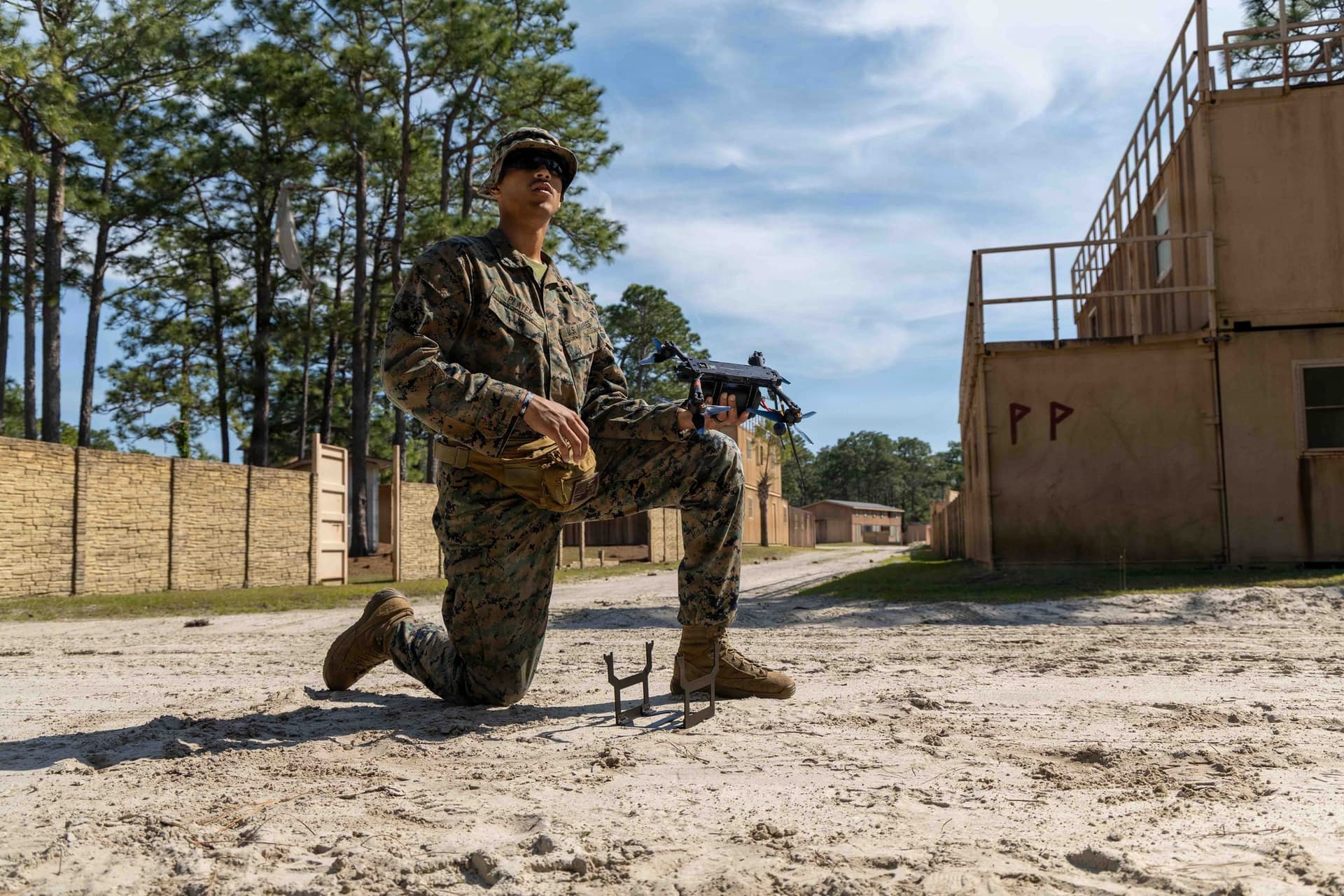
The course finished May 5 at Southern Zone Headquarters in Agadir, where instructors assigned to the 7th Army Training Command Combined Arms Training Center taught multinational students the basics of cost-effective small UAS flight operations, reconnaissance, target identification and airspace deconfliction. It was the first drone academics class ever folded into African Lion, a detail that matters because it moved drone instruction from a niche capability to a shared coalition skill.
Two tracks ran side by side. The eight-day small UAS planner course was built for noncommissioned officers, senior NCOs and officers, while the 10-day small UAS operator course focused on basic flight instruction and day-to-day UAS operations. That split mirrored the way drone racing develops at higher levels, where flying talent alone is not enough and pilots, spotters, race directors and technical staff all need to work from the same playbook.
African Lion 26 ran from April 20 to May 8, 2026, across Ghana, Morocco, Senegal and Tunisia, with more than 5,600 civilian and military personnel from more than 40 nations taking part. U.S. Africa Command and the U.S. Army described the exercise as a collective-security event built around interoperability, and this year’s edition pushed into land, air, sea, cyber and space domains. The drone academics fit that broader mission by giving service members from four countries the same foundation in how to launch, manage and use small aircraft in the field.
For drone-racing readers, the significance is not the military setting alone but the standardization it suggests. Cross-border competition gets faster and cleaner when pilots share common language, common procedures and common training tools. African Lion’s drone academics showed how that model can work: one course, two tracks and a multinational class learning the same basics in the same place. As drone flying keeps expanding beyond national borders, the line between military readiness and competitive precision gets thinner, and shared instruction becomes the bridge.
Know something we missed? Have a correction or additional information?
Submit a Tip