Australia wins again at Military International Drone Racing Tournament
Australia’s latest MIDRT win underlined the same skills civilian FPV pilots chase: control, recovery and tactical speed on a course now treated as a proving ground.

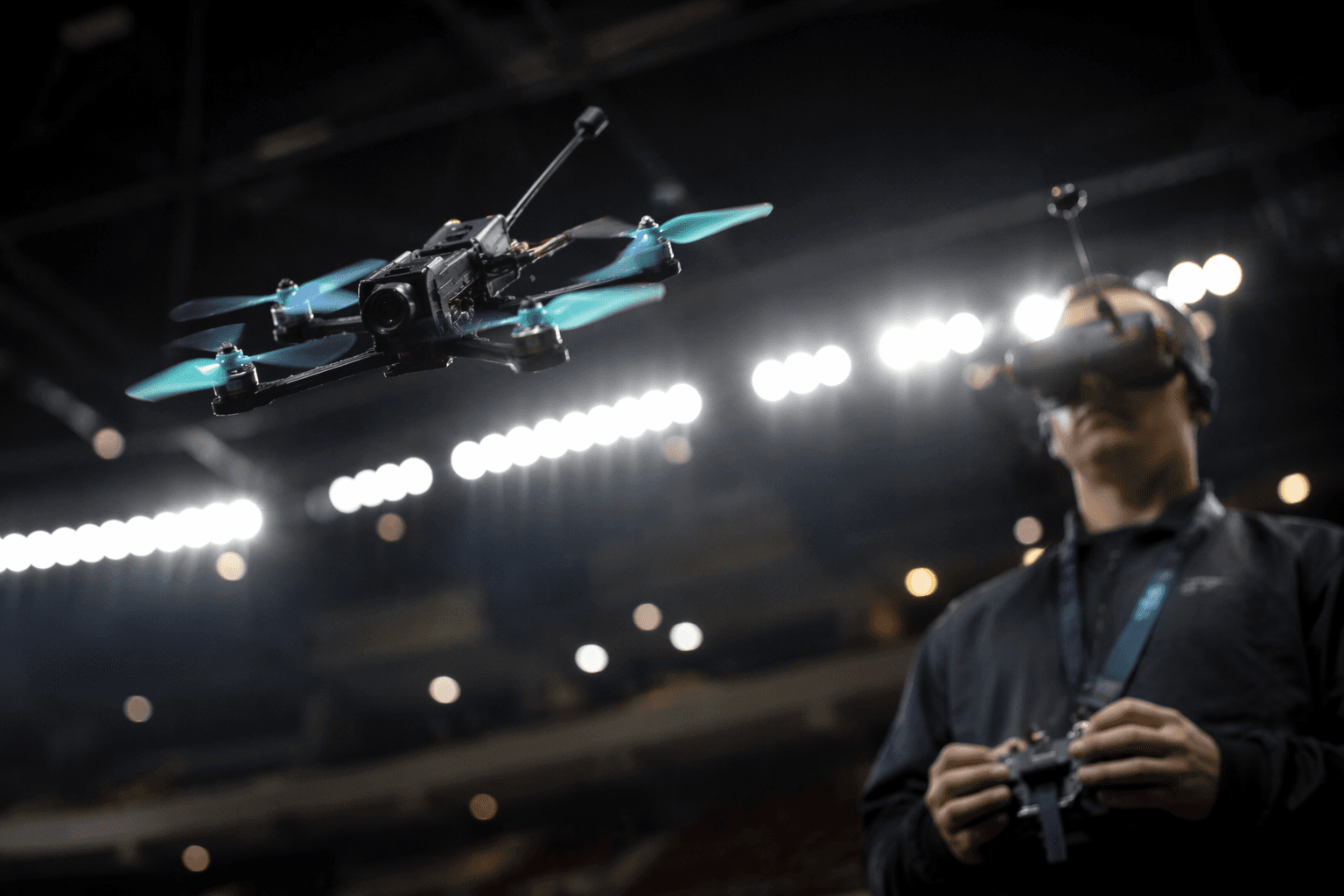
Australia’s latest victory at the Military International Drone Racing Tournament mattered because it was not just another trophy on a defense calendar. It showed that the qualities separating elite FPV pilots from the pack, fast reflexes, precise throttle control, course memory, repair skills and calm after a crash, are now being measured on an international stage that military operators are studying closely.
The 2026 tournament in Sydney ran from March 12 to 14 as part of the Australian Army’s 125th birthday celebrations, and it drew 76 pilots from seven nations: Australia, Singapore, the United Kingdom, the United States, Canada, Indonesia and the Philippines. Australian Defence Force coverage said the ADF team was defending its sixth consecutive championship title, and the combined service squad delivered again. The same event also pushed beyond pure racing, adding tactical challenges at RAAF Base Richmond and new tasks such as precision payload delivery and aerial jousting against a fixed-wing aircraft target. Air Force Drone Racing Association finished fifth overall in the drone racing standings and third among military teams, a sign of how tight the top end has become.
The U.S. edition, MIDRT USA 2026, was scheduled for June 1 to 5 at ADK Battlelab in Lewis, New York, and the circuit has already shown it can produce repeat Australian success. The 2025 tournament was held at a refurbished Atlas-F missile silo facility in the Adirondack Mountains in upper New York State, where 37 pilots represented the ADF, the United Kingdom, Singapore and the United States, and the ADF won the event. In that field, six ADF pilots reached the top 10, a depth chart that helps explain why Australia keeps setting the pace.
That performance has helped turn MIDRT into more than a showcase race. The tournament’s own mission is built around international collaboration, innovation, public engagement and STEM pathways, while the ADF’s broader program has been tied to practical training as well. ASPI said some members of the drone racing team helped train the Australian Army’s 1st Armoured Regiment FPV strike team during Exercise Talisman Sabre, and that the tactical exercises at MIDRT mirrored precision strike and aerial interception tasks associated with lessons from Ukraine.

For civilian pilots, the message is clear. Australia’s edge is not coming from spectacle alone, but from a race culture that prizes speed, precision and control under pressure, and that is exactly the standard the rest of the international drone racing scene is now chasing.
This article was produced by Prism’s automated news system from verified source data, official records, and press releases, then run through automated quality and moderation checks before publishing. The system is built and supervised by the people who set the standards it runs under. Read our full AI policy.
Did this article answer your question?