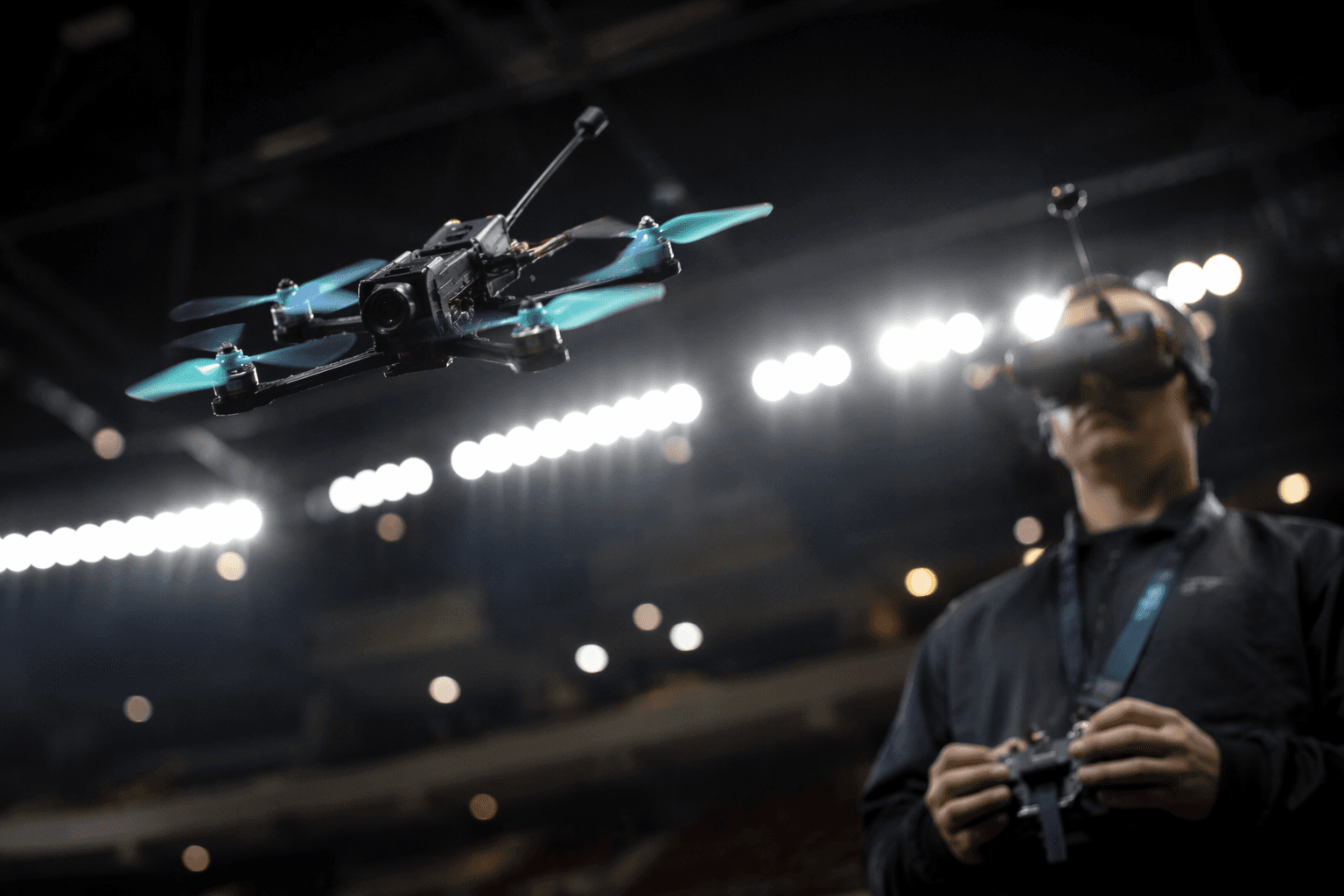
DJI Avata 360 blends FPV flight with 8K 360-degree filming
DJI's Avata 360 turns FPV into a choose-the-shot-later machine, pairing 8K 360 capture with stick-and-goggles control.
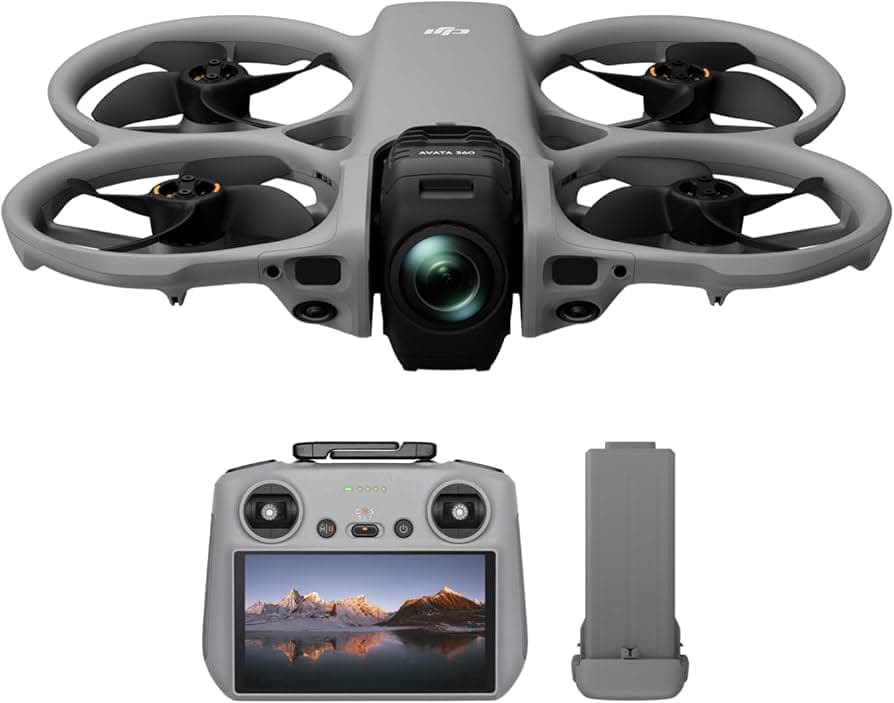
DJI launched the Avata 360 globally on March 26, 2026 as its first drone to combine a native 360° camera system with full FPV flight capability. The spec sheet backs that pitch with 8K/60fps HDR capture, O4+ video transmission, and up to 20 km of range. With omnidirectional obstacle sensing, integrated propeller guards, and DJI's own "FPV flight and aerial filming in one drone" positioning, this is less a race-gate weapon than a creator platform that still lives in the goggles.
A different kind of FPV machine
The important shift is not that the Avata 360 records more pixels. It is that DJI has built a drone around the idea that the best angle does not have to be chosen in the air. Two lenses capture the full sphere around the aircraft, then the footage is stitched into one file with the seam running through the middle of the frame, which gives the pilot raw material instead of a single locked perspective.
That changes the flight's payoff. In a traditional race run, the line and the view are inseparable, so every mistake is both a loss of speed and a lost shot. In freestyle, the pilot commits to a move and the camera gets exactly that move. The Avata 360 loosens that bond by letting the pilot choose the virtual camera direction, field of view, movement style, and even the social format after the flight is over, which means one mission can produce multiple final cuts without asking the pilot to fly it again.
For spectators, the story of a run is no longer frozen to one onboard angle. A single pass can be shaped into a chase-heavy edit, a wide cinematic reveal, or a vertical clip built for short-form feeds.
How the control stack keeps it in FPV territory
DJI is not pretending this is a toy with a 360 camera bolted on. The Avata 360 supports DJI Goggles 3 or N3 paired with RC Motion 3, and it also works with DJI RC 2, RC-N2, or RC-N3. That gives the drone more than one identity: motion-first for newer pilots, stick-first for pilots who want the traditional FPV feel.
RC Motion 3 uses one-handed, wrist-based motion control and includes Easy ACRO and AR Cursor, which lowers the barrier for pilots who want the immersive goggles experience without learning a full manual stick setup on day one. The Avata 360 also supports the same creator-friendly logic as the Avata 2, where point-to-fly behavior and motion control make the aircraft feel less punishing without stripping away the first-person experience.
In DroneXL's June 26 review, Sport mode with the FPV controller feels extremely close to flying the Avata 2. Pilots who already know the Avata 2 are not starting from scratch; they are stepping into a platform that keeps the manual rhythm intact while adding a much larger post-flight editing range. The system transmits at 1080p/60fps, reinforcing that it is still built for live first-person control, not just later editing.
What changes for race and freestyle pilots
The Avata 360 is not a race-first drone. For pure competition, a machine built around speed, line discipline, and direct response will still be the sharper tool. But the Avata 360 sits in the same first-person ecosystem as racing and freestyle gear, with goggles, manual control options, and the kind of instinctive flying that makes FPV feel alive.

The DroneXL June 26 review treats it as a post-production-centric platform instead of a race-focused drone. If you can fly once and reframe later, the decision-making process changes. Pilots are no longer only asking whether a move looks good in real time; they are also asking whether the flight gives them enough usable angles to tell the story they want afterward.
The specs include 10-bit D-Log M, LiDAR, head tracking, and 42 GB of internal storage, all of which suggest DJI expects creators to capture more, keep more, and shape more in the edit.
Why this feels like a category marker
DroneXL followed the debut with additional Avata 360 coverage on March 27 and June 18, and those follow-ups included comparisons against Antigravity's A1 and DJI's own Avata 2.
This article was produced by Prism’s automated news system from verified source data, official records, and press releases, then run through automated quality and moderation checks before publishing. The system is built and supervised by the people who set the standards it runs under. Read our full AI policy.
Did this article answer your question?