FAI releases updated global rules for drone racing, F9U and drone soccer
FAI’s new global drone code now covers F9U racing and provisional drone soccer, tightening everything from propellers to timekeeping before the next sanctioned meet.

The biggest change for drone racing right now is not a new battery, a faster frame or a softer landing zone. It is a thicker rulebook, and it just went live.
FAI Sporting Code Section 4, Volume F9 Drone Sports, Version 2 took effect on June 1, 2026, and it lays out the global standard for F9U, the official drone racing class. It also folds in provisional F9A drone soccer rules, plus appendices covering multiple F9U scenarios and the World Cup rules. That gives racers and organizers one current framework instead of a patchwork of local interpretations.
The practical impact is concentrated in the details that decide whether a meet runs cleanly or turns messy fast. The code spells out general specifications for models, motorisation, propellers, radio control equipment, video systems, LED light units and identification marks. It also sets the terms for racing circuit requirements, model registration and processing, track walks, practice flights, event organisation, timekeeping, start procedures and qualification stages. In drone racing, those are not side notes. They are the difference between a fair heat and a hardware dispute.
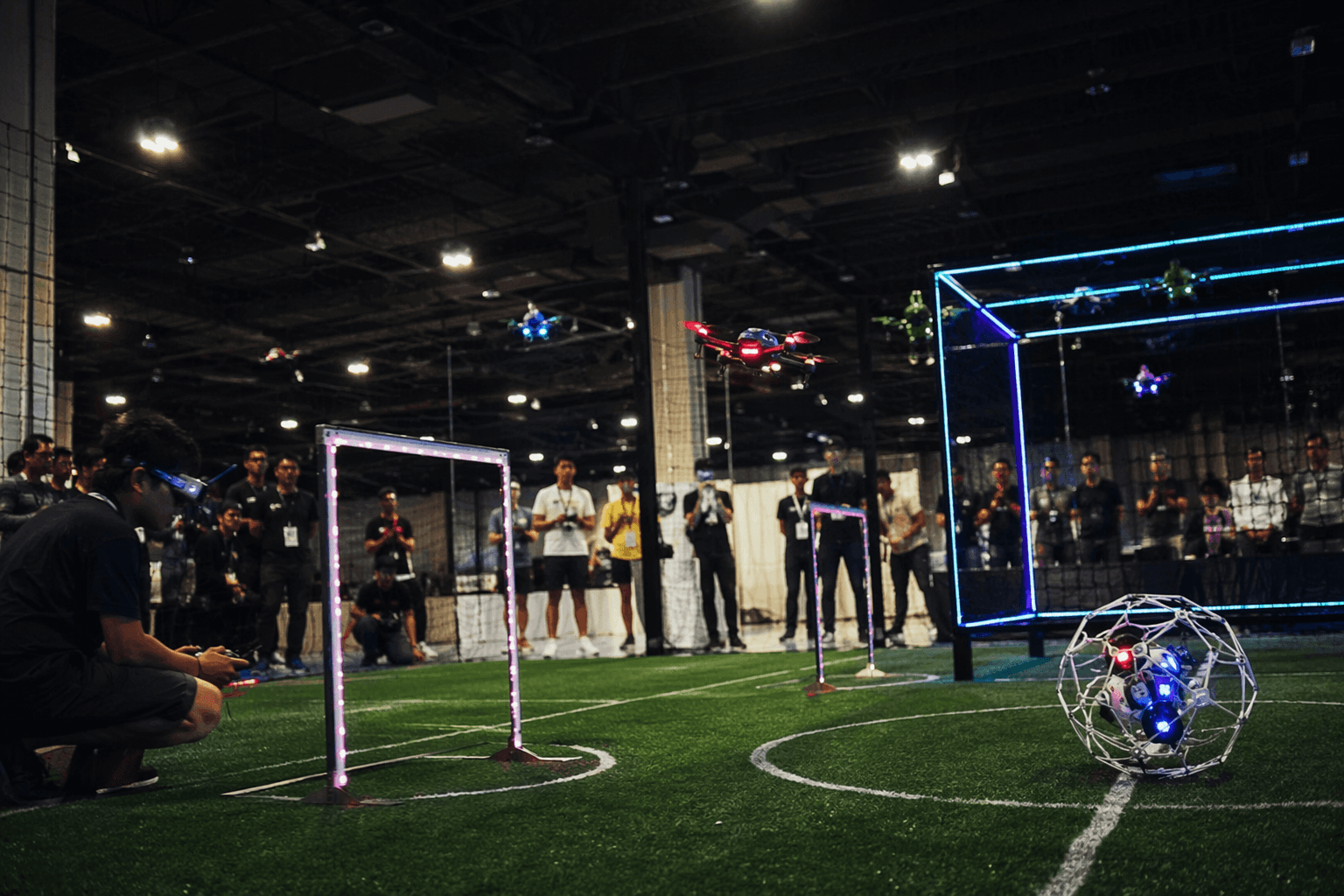
For pilots, the message is clear: build choices still matter, but they now sit inside a more exact global standard. A setup that works at one event has to fit a codified system that is meant to travel across borders and still produce comparable results. For organizers, the update is even bigger. Event directors now have a single reference for how to measure, register, stage and time competition, which makes it easier to run sanctioned races in a field, park, airfield or simulator without reinventing the process every time.
That consistency is what gives the FAI circuit its edge. A season that stretches across different countries and race formats only works if the competition stays recognizable from one stop to the next. Version 2 is designed to do exactly that, and it pushes drone racing and drone soccer further into a rules-driven global structure that leaves less room for improvisation and more room for straight competition.
This article was produced by Prism’s automated news system from verified source data, official records, and press releases, then run through automated quality and moderation checks before publishing. The system is built and supervised by the people who set the standards it runs under. Read our full AI policy.
Know something we missed? Have a correction or additional information?
Submit a Tip