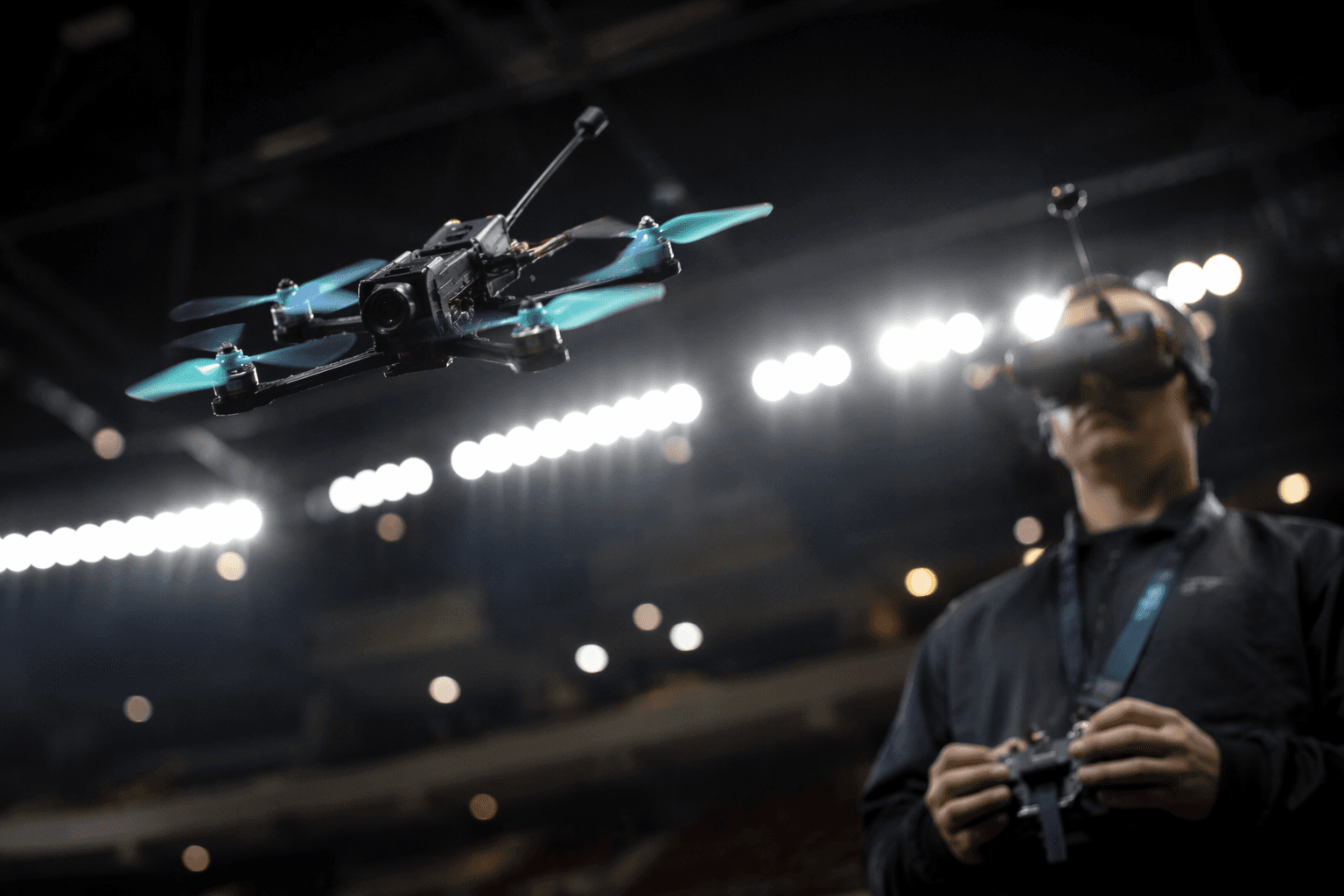
FAI unveils 2026 drone racing World Cup season-long points chase
FAI has turned drone racing into a season-long standings race, with rankings updating after every result and the title picture not settling until APEX on October 11.

The Fédération Aéronautique Internationale has locked the 2026 Drone Racing World Cup into a season-long standings race, with rankings updating automatically after each result and the overall picture not settling until APEX on October 11, 2026.
That structure changes what matters from week to week. The World Cup is being run as a series of Open International events in the F9U class, with drone pilots from around the world competing as individuals rather than as national teams. FAI says CIAM medals and diplomas will go to the first, second and third-placed competitors in the final annual ranking, so every event feeds the same global ladder instead of producing a one-day champion and moving on.
The 2026 calendar lists seven simulator-based events, all run through EreaDrone. The season began with the Mirror Cup on May 23 and the Ningbo Cup on June 21, and the schedule continues with Belgium on July 12, Event #4 on August 30, Event #5 on September 20, the Anniversary Cup on October 4 and APEX on October 11. FAI also provides registration windows and tournament links for each stop, underscoring that this is a coordinated circuit rather than a loose collection of showcases.
The access point matters as much as the calendar. By using the EreaDrone simulator, the World Cup removes the travel barrier that can limit entry to live events, allowing pilots in different countries to compete under the same format. FAI has said the e-Drone Racing World Cup was introduced in 2024 to make the sport more accessible, with remote pilots able to fly from home using a Windows computer, a game controller and a stable internet connection.
The scoring rules make consistency count more than a single flash run. FAI’s sporting code says World Cup points are only allocated if competitors have flown from at least two different countries, and for countries that span more than three time zones, each time zone is treated as equivalent to a country for points purposes. That design pushes the standings toward a broad international field and rewards pilots who stay active across the season.
The new format also follows an evolving template. In 2024, the World Cup ranking was based on 12 competitions held before October 15, with each competitor’s score made up of their best three results. In 2025, FAI’s season report said 12 World Cup events from 11 different countries were ultimately counted after postponements and cancellations. Against that backdrop, the 2026 schedule reads like another step toward a true championship circuit: one leaderboard, multiple checkpoints, and a final decision point in October.
This article was produced by Prism’s automated news system from verified source data, official records, and press releases, then run through automated quality and moderation checks before publishing. The system is built and supervised by the people who set the standards it runs under. Read our full AI policy.
Did this article answer your question?