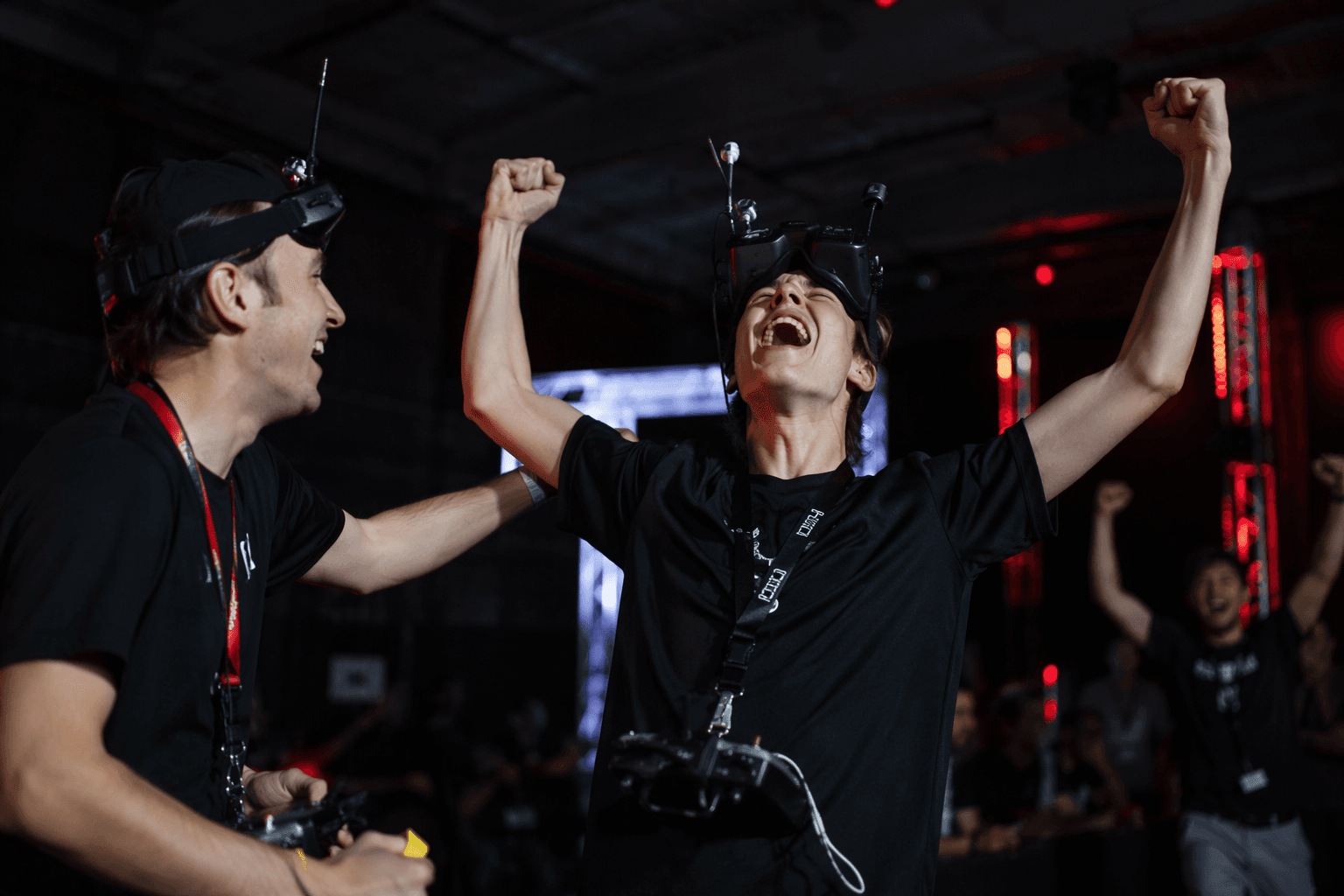
FPV racing heads into 2026 with high-torque motors and digital systems
High-torque motors and low-latency video are becoming the real edge in FPV, as 2026 turns into a test of consistency, not just speed.

The fastest split in FPV racing this season is no longer just pilot reflexes. It is showing up in the builds, where high-torque motors and low-latency digital systems are starting to separate the teams that can stay clean through a full lap from the ones chasing raw top-end speed.
FPVStoreRC’s community update, posted May 14, said pro racing teams are moving toward higher-torque motors while digital video systems become more mainstream. That matters because torque changes how a quad exits gates and recovers out of turns, while better video response gives pilots a cleaner read in tight, high-speed tracks. In a sport where races are decided by fractions of a second, those are not cosmetic upgrades. They are lap-time tools.
The shift lands in a 2026 season that already looks busier and more structured. Drone Champions League said on April 3 that it was launching its new campaign as a multi-stage format built around speed, consistency and progression. Its opener moved from simulator to live racing, beginning with a virtual seeding race and then a live FPV showdown in Riyadh, Saudi Arabia, with Tuwaiq Academy part of the launch. That progression from digital qualifying to real-world pressure mirrors the hardware debate now running through the sport: pilots want gear that behaves the same way every lap, under every kind of stress.

MultiGP, meanwhile, says it now has more than 30,000 registered pilots and 500 active chapters worldwide, and its 2026 IO schedule is already on the books with Wednesday through Sunday race blocks. The league’s RaceSync system assigns racing slots and video frequencies in real time, underscoring how much modern FPV depends on both equipment and event infrastructure. In a sport this crowded, clean signal management can be as important as motor choice.
The bigger competitive picture is the split between analog and digital. Analog remains the lower-cost entry point, but low-latency digital systems are increasingly being treated as the future-proof option for serious racing. DJI and HDZero remain part of that ecosystem discussion, yet the market signal is clear: the conversation is moving toward consistency, build quality and signal performance, not just max throttle.

MultiGP’s Pro Spec class fits that same trend. Marketed as a high-speed race class built around the exclusive MultiGP Pro Spec frame and cutting-edge specifications, it points to a 2026 season in which the sport’s edge may come as much from the bench as from the sticks. The hardware race is now part of the race itself.
This article was produced by Prism’s automated news system from verified source data, official records, and press releases, then run through automated quality and moderation checks before publishing. The system is built and supervised by the people who set the standards it runs under. Read our full AI policy.
Did this article answer your question?