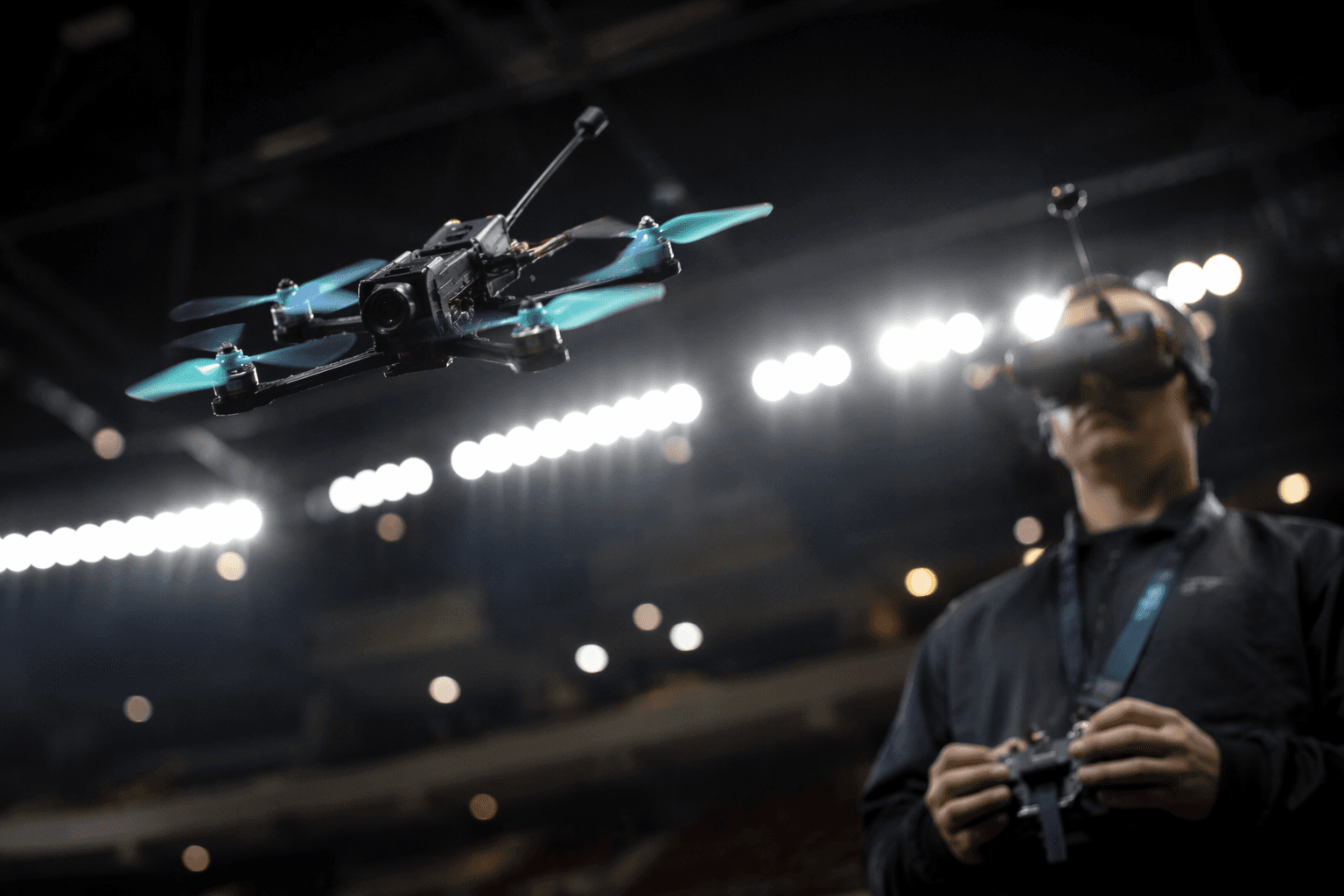
GoodiesRC guide maps out a beginner path into FPV racing
GoodiesRC’s path keeps FPV racing simple: simulator hours first, then a reliable radio, a repairable quad, and goggles that can get a beginner to club heats sooner.
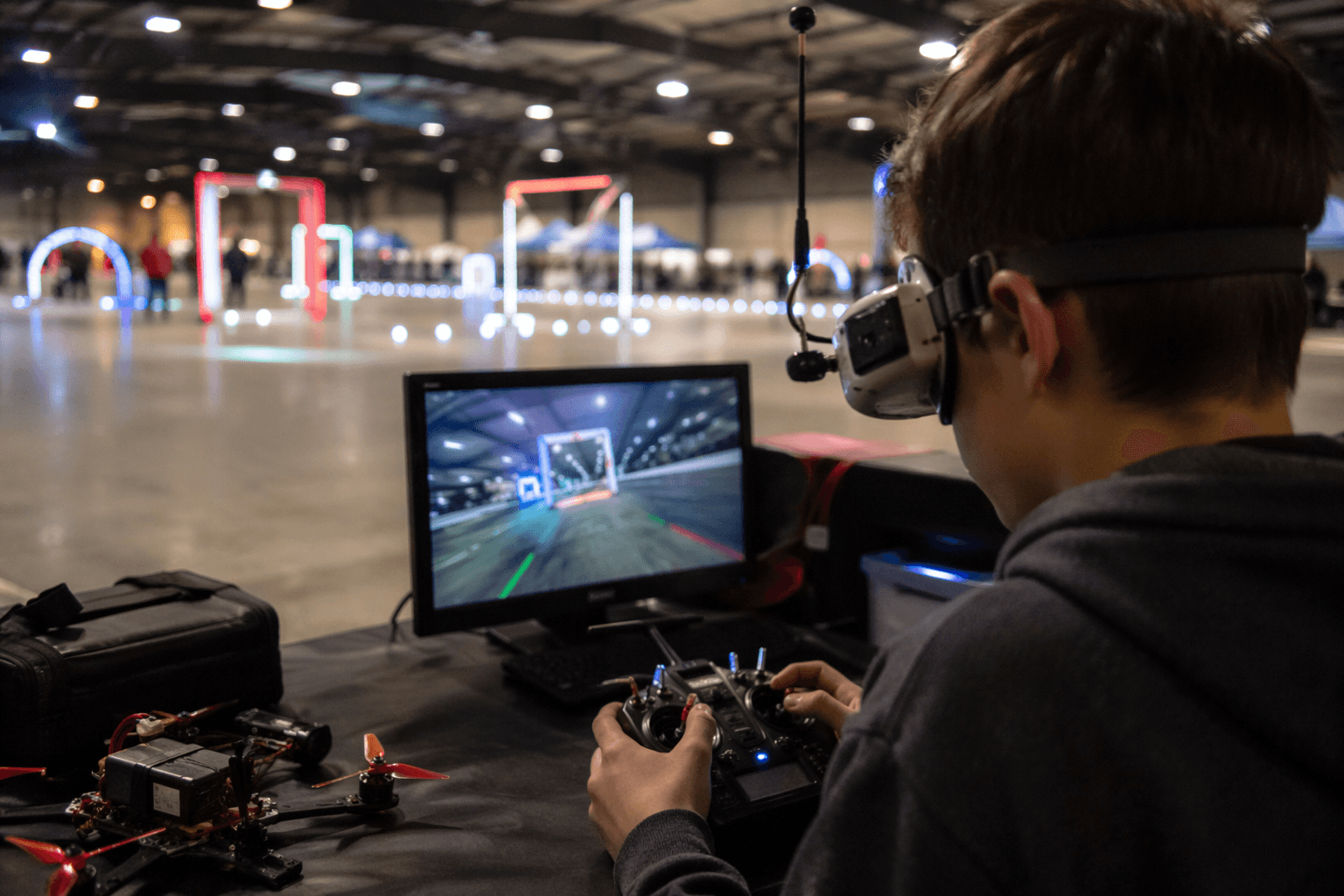
A new FPV pilot’s first competitive heat starts in a simulator, not with a quad. GoodiesRC’s June 24 beginner guide lays out the sequence: learn in a simulator, buy the right radio first, then build around a reliable quad, goggles, and batteries. FPV racing is not won by the first expensive purchase, but by the pilot who can hold a line, manage throttle, and recover cleanly when the course gets tight.
Start with the sim, not the shopping cart
The least glamorous advice is also the strongest: spend time in a simulator before buying hardware. The hardest race-day skills are not speed alone, but throttle control, cornering, gate timing, and recovery after a mistake, all of which can be practiced without breaking props or crashing a real quad.
Useful training simulators include Liftoff, VelociDrone, Uncrashed, and DRL Simulator. Each gives a new pilot the same advantage that real practice gives experienced racers: repetition. A simulator lets you learn what a split-S turn feels like before you are trying to thread one in front of other pilots, and it lets you make the same correction dozens of times until the motion becomes automatic.
Learn what the course is asking for
FPV racing is not just fast flying from point A to point B. In this sport, the pilot flies from the drone’s perspective through goggles or a display, and the track is built to punish sloppy inputs. The obstacles that define that pressure are gates, flags, tunnels, and split-S turns, each one demanding a different kind of line choice and stick discipline.
That is why consistency matters as much as raw speed. A pilot who can keep the throttle smooth through technical sections often gains more than one who chases maximum speed into every turn. Clean laps make a new racer safe, predictable, and ready to run with a club or local qualifier.
Buy the radio before the dream build
If one piece of hardware deserves early money, it is the radio transmitter. It is the most important learning tool because it is the direct link between the pilot’s hands and the aircraft. That makes the radio the piece that most affects how quickly stick movement turns into repeatable control.
Modern protocols include ExpressLRS and Crossfire, with ExpressLRS popular in the FPV community. ExpressLRS is a fully open radio control link built for maximum range, speed, and data throughput, with support for both 900 MHz and 2.4 GHz hardware and packet rates up to 1000 Hz. It uses Semtech SX12xx LoRa transceivers, which is exactly the kind of responsiveness that helps a pilot build muscle memory.
For a beginner, that means the transmitter choice matters more than chasing a top-shelf frame or the flashiest motor set. A solid radio setup is the part of the build that keeps paying off as skill rises, while cheaping out here can slow learning from the start.
Build for reliability, repairability, and easy setup
The starter quad is a learning platform, not a trophy build. The emphasis is on a setup that is reliable, repairable, and easy to configure rather than one that is tuned for absolute maximum performance on day one. That advice avoids one of the costliest beginner mistakes: spending heavily on parts that only make sense once the pilot can already fly with control and consistency.
Betaflight sits at the center of that approach. Betaflight is widely used multirotor flight-control software in the FPV racing and freestyle community, valued for performance, precision, reliability, and hardware support. For a new racer, that matters because the flight controller software shapes how the quad responds in the air, and a well-supported system makes setup, tuning, and repairs less punishing.
Batteries belong in the same practical category. They are not the place to chase prestige; they are the place to support repeatable practice and enough flight time to build confidence. The early budget should favor enough packs to keep you in the air and enough durability to survive the learning curve, not a pile of premium parts that only make sense after the pilot can already hold a race line.
The minimum viable path to race day
After simulator time, the key hardware decision is a radio with modern protocol support, especially ExpressLRS if you want the open, fast, widely supported system the FPV community has embraced. After that, the starter quad should be easy to repair and easy to configure, with Betaflight giving the pilot a familiar control platform.
Goggles come next because FPV itself means flying from the drone’s perspective. Once the pilot can see the course the way the quad sees it, the race stops being a vague idea and becomes a series of concrete decisions: when to brake, where to enter the gate, how to hold a line through the tunnel, and when to feed throttle back in after a split-S.
That is also where the expensive mistakes show up. A newcomer can delay chasing max performance, exotic upgrades, and overbuilt race hardware until stick control is already steady. The early wins come from keeping the gear simple enough to fix, simple enough to tune, and good enough to teach repeatable laps.
Why the sport now has room for new pilots
FPV racing is part of a much larger competitive ecosystem. The FAI, the world governing body for air sports recognized by the IOC, runs the FAI Drone Racing World Cup and says drone racing has brought tens of thousands of new people into air sports. It launched the first FAI e-Drone Racing World Cup series in 2024.
In the United States, recreational drone flyers must pass the TRUST safety test, carry proof of completion if asked, and fly within visual line of sight. That makes simulator training especially useful before any outdoor practice, because it lets a pilot arrive at the field already comfortable with the controls and ready to respect the rules that govern recreational flight.
The Drone Racing League was founded in 2015 and went public in January 2016. MultiGP calls itself the largest drone racing league and FPV community in the world, with hundreds of chapters across the U.S. and internationally.
This article was produced by Prism’s automated news system from verified source data, official records, and press releases, then run through automated quality and moderation checks before publishing. The system is built and supervised by the people who set the standards it runs under. Read our full AI policy.
Did this article answer your question?