Google DeepMind drone racer halves crashes, beats Swiss champion
Google DeepMind's racing drone cut crashes by 50% and beat a five-time Swiss champion, hinting at tighter, safer multi-drone courses.
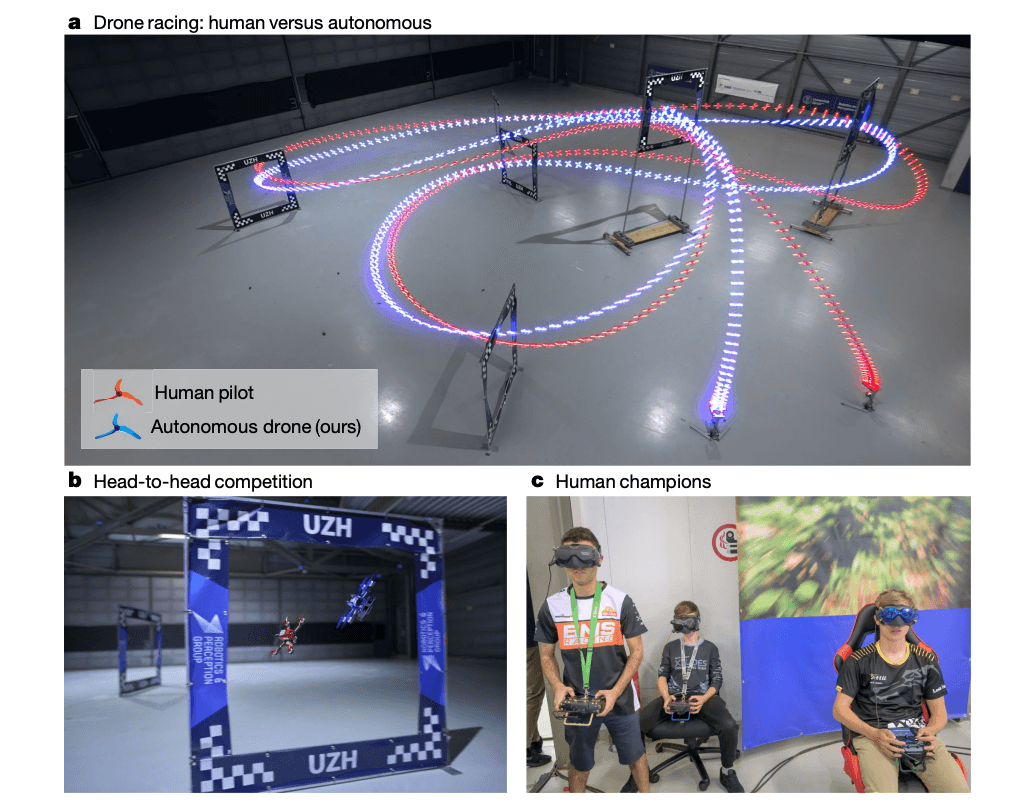
The new Google DeepMind and University of Zurich racing system did more than survive crowded airspace. It beat a five-time Swiss national champion, cut collision rates by 50% against state-of-the-art single-agent baselines and did it while racing above 22 m/s, with accelerations up to 7g.
The paper, Superhuman Safe and Agile Racing through Multi-Agent Reinforcement Learning, was submitted to arXiv on May 21, 2026 by Ismail Geles, Leonard Bauersfeld, Markus Wulfmeier and Davide Scaramuzza. Built by the University of Zurich Robotics and Perception Group with Google DeepMind, the system used league-based self-play and a Perceiver-based attention encoder to handle a variable number of rivals, then trained the drones to make proactive collision-avoidance decisions, overtake cleanly and manage aerodynamic downwash in tight racing packs.
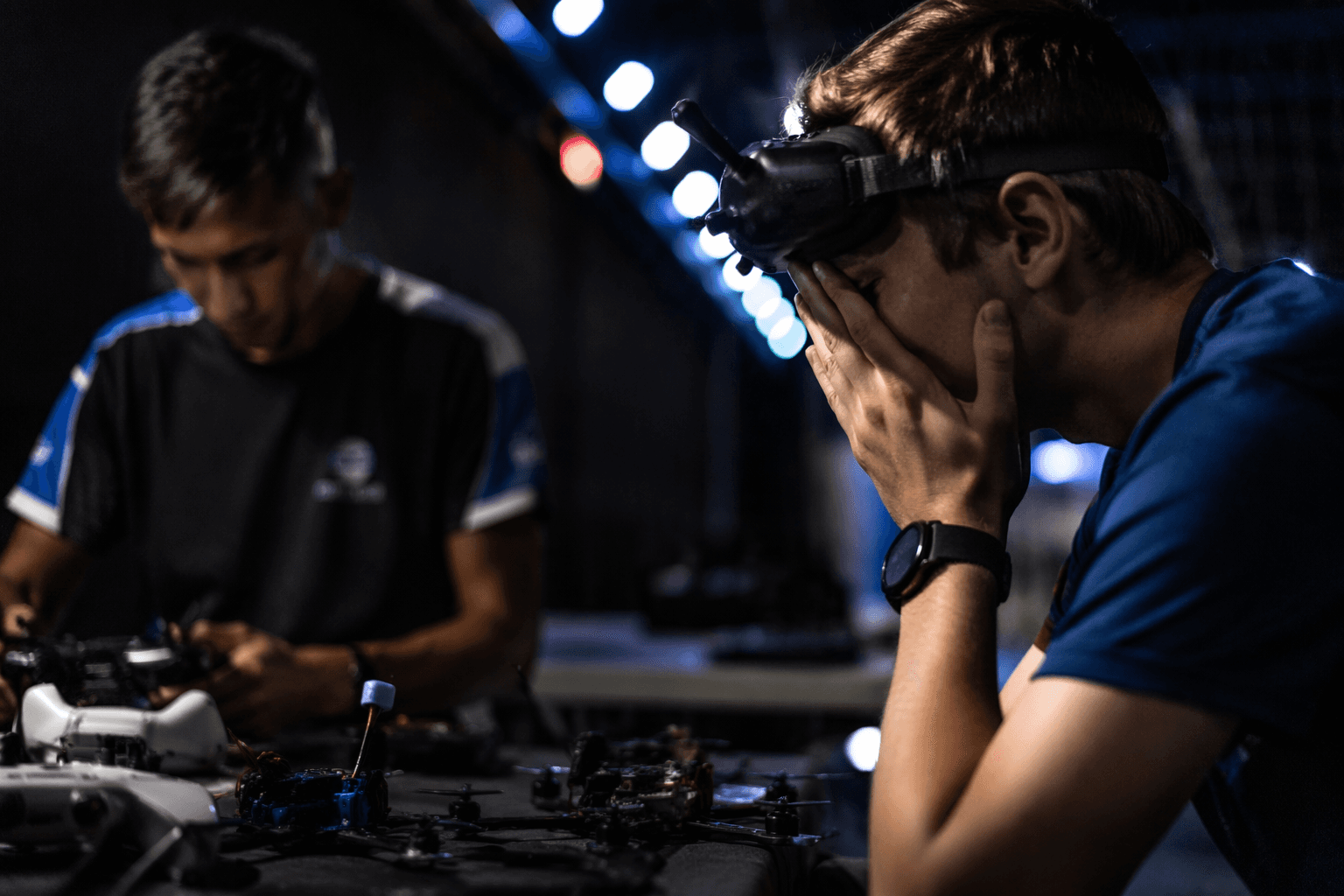
The performance data mattered because it pointed directly at the next step for the sport. UZH said the agents completed more than 90% of races in mixed human-AI fields with up to four competitors. If autonomous drones really crash half as often, organizers could push tighter gates, widen the number of entries in a heat and try spectator-friendly exhibition formats that would be too risky with a higher rate of midair contact. Safer autonomy could also open more race locations, especially courses that do not have elaborate off-board tracking systems.
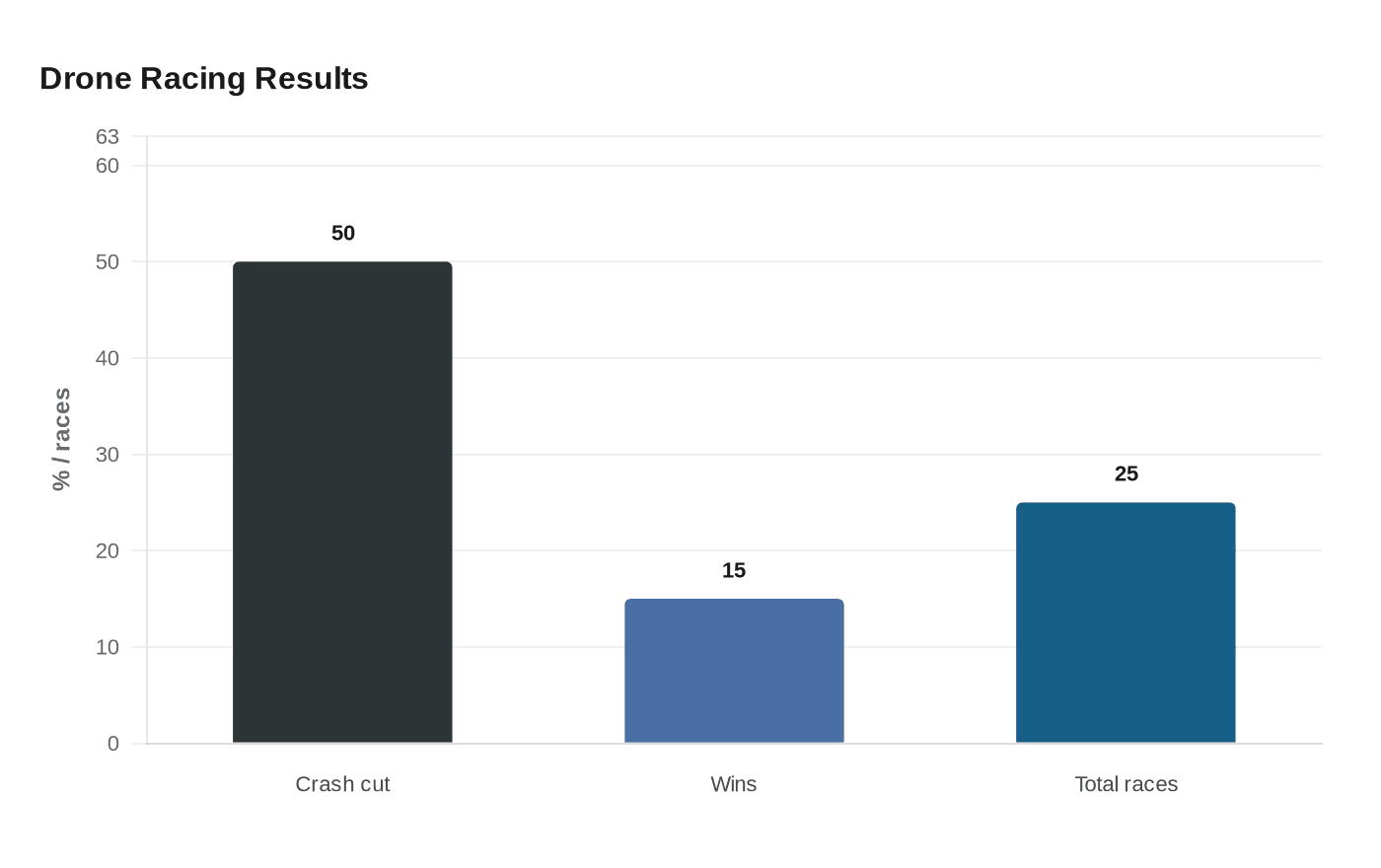
The result extended a streak for a lab that has already reshaped drone racing’s ceiling. In 2023, UZH’s Swift became the first autonomous mobile robot to beat human champions in a real physical sport, winning 15 of 25 races against three of the world’s best racing drone pilots and reaching speeds of more than 100 km/h. The Robotics and Perception Group, founded in February 2012, has focused on autonomous machines that rely only on onboard cameras and computation, not GPS or external tracking, which is why drone racing has become such a compelling testbed for speed, agility and real-world safety.
For the sport, the biggest takeaway was not simply that an AI drone could chase down elite human talent. It was that the system did so in traffic, at speed and with fewer crashes, suggesting a future where closer racing, larger fields and more accessible venues are not trade-offs but the business model.
This article was produced by Prism’s automated news system from verified source data, official records, and press releases, then run through automated quality and moderation checks before publishing. The system is built and supervised by the people who set the standards it runs under. Read our full AI policy.
Know something we missed? Have a correction or additional information?
Submit a Tip