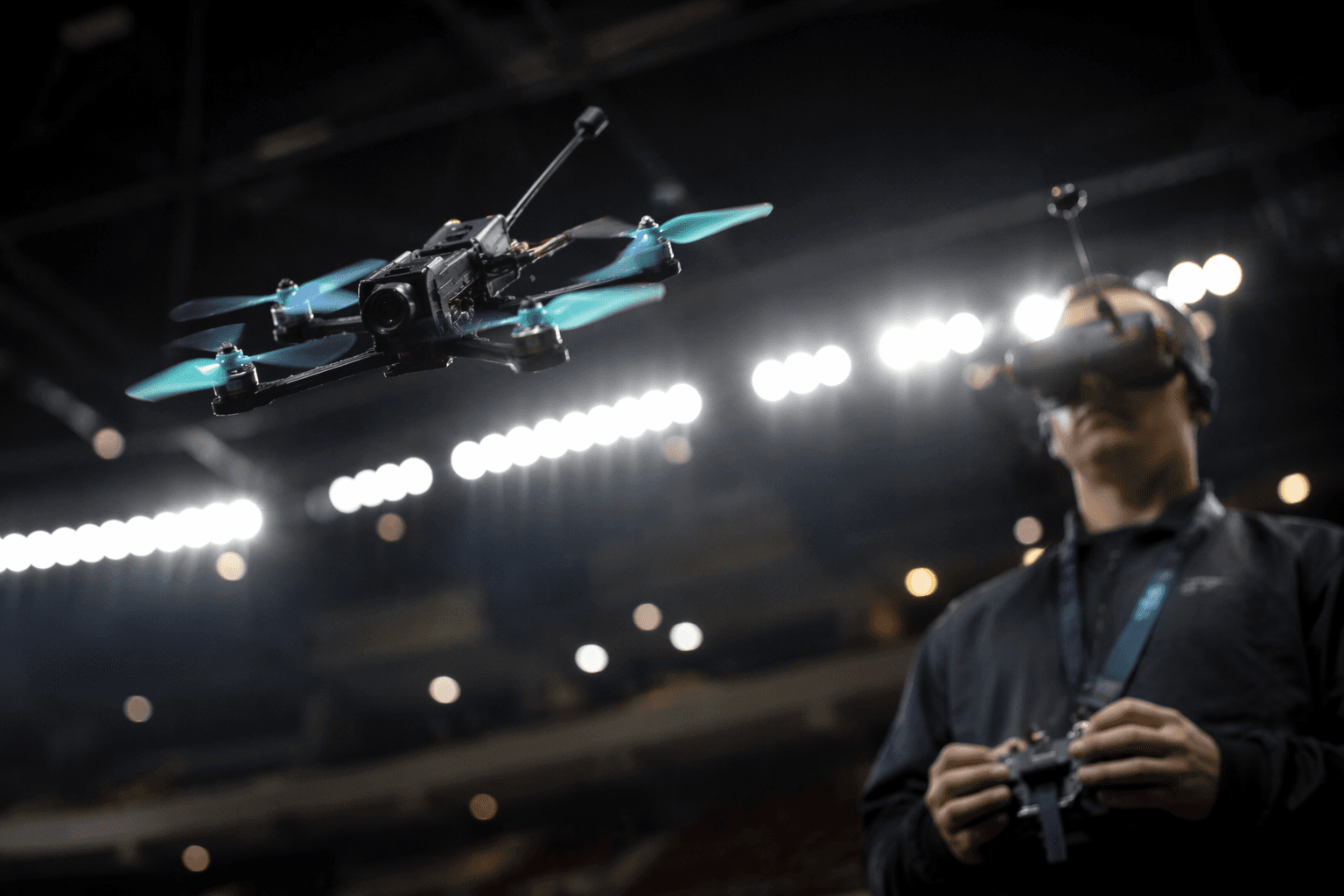
Governors Island turns drone racing nationals into New York spectacle
Governors Island gave drone racing its New York breakthrough, with 150 pilots, a $50,000 purse and the Statue of Liberty in the frame.

Governors Island turned the 2016 U.S. National Drone Racing Championships into a New York spectacle, drawing more than 10,000 spectators over three days and putting 150 pilots on a course with the Statue of Liberty and One World Trade Center behind them. The AMA-sanctioned amateur event carried a $50,000 purse, and it gave drone racing the kind of public stage that made the sport instantly readable to newcomers.
The race ran Aug. 5-7 on the 172-acre island in Upper New York Bay, about 800 yards from the southern tip of Manhattan. That location mattered as much as the results because the course could be staged in a contained public space while still sitting inside one of the most recognizable skylines in the country. Pilots threaded drones through gates and obstacles with New York Harbor as the backdrop, and the venue itself became part of the show.

The field was built for scale. More than 1,400 pilots tried to qualify, 150 advanced through 20 regional events across the United States, and GoPro backed the championship as it pushed the sport toward a broader audience. ESPN3 streamed the finals live for the first time, a major step for a nascent sport that was still defining its competitive identity. The event also carried world-championship stakes, serving as the qualifier for Team USA spots headed to Hawaii in October 2016, and it was only the second U.S. national drone racing event in the sport’s history after Sacramento in August 2015.
The racing itself blended raw speed with careful control. Coverage from the time said drones could exceed 100 mph, while the AMA-defined course limit was 60 mph, a gap that showed how the sport balanced spectacle with safety. Mesh netting separated fans from the action, and some spectators wore orange goggles to switch between live drone-camera feeds as they watched from behind the barrier. Dr. Scot Refsland captured the appeal by describing first-person-view flying as giving pilots “superpowers” and making them feel like “superheroes.” On Governors Island, that feeling was backed by a skyline, a live audience and a course built to turn speed into a public event.
This article was produced by Prism’s automated news system from verified source data, official records, and press releases, then run through automated quality and moderation checks before publishing. The system is built and supervised by the people who set the standards it runs under. Read our full AI policy.
Did this article answer your question?