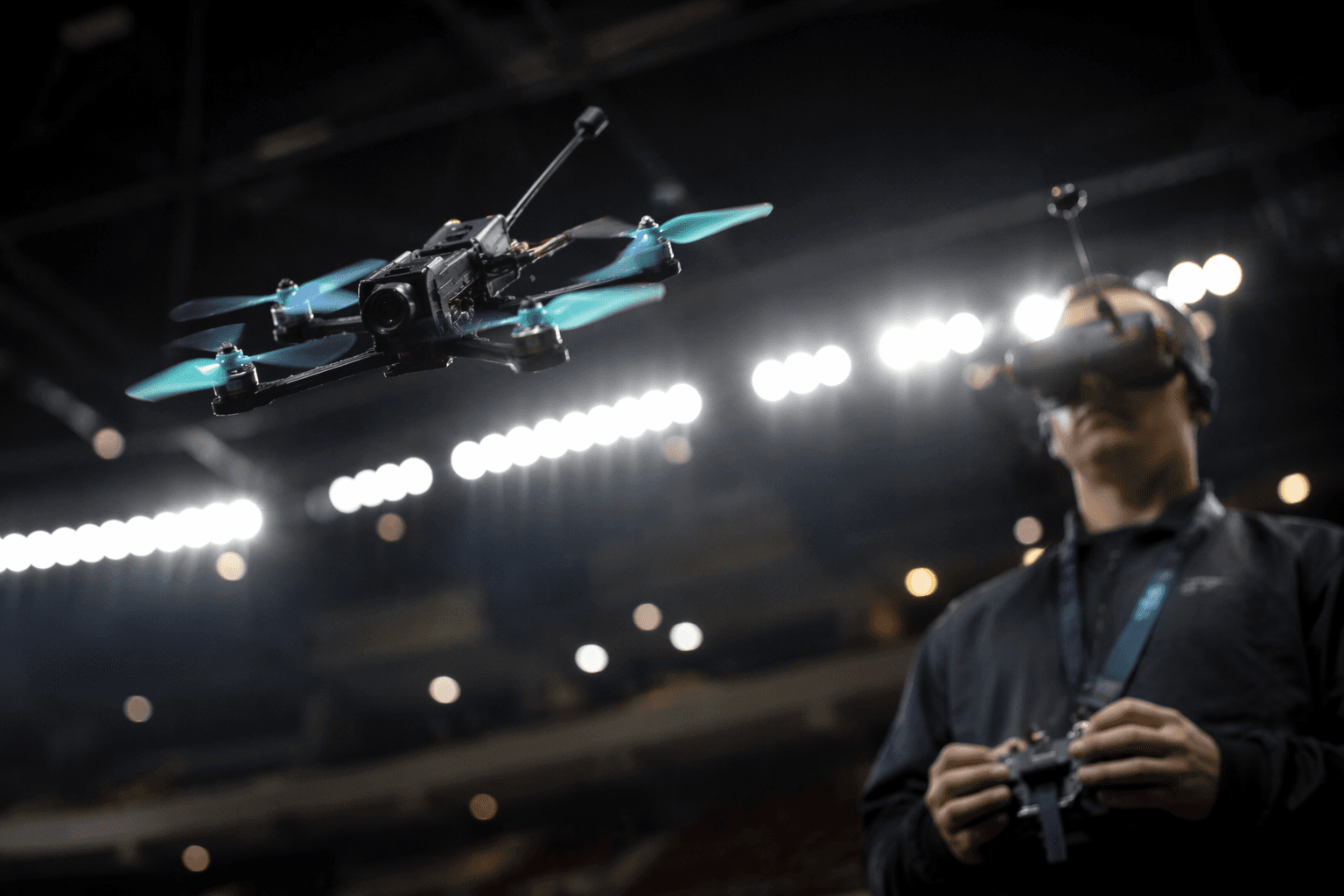
June 2026 FPV goggles guide ranks top models for drone racers
DJI’s 24 ms O4 setup sets the pace, but BETAFPV’s glasses-friendly VR04 line and 4-hour Pro battery make comfort and value race-day weapons.
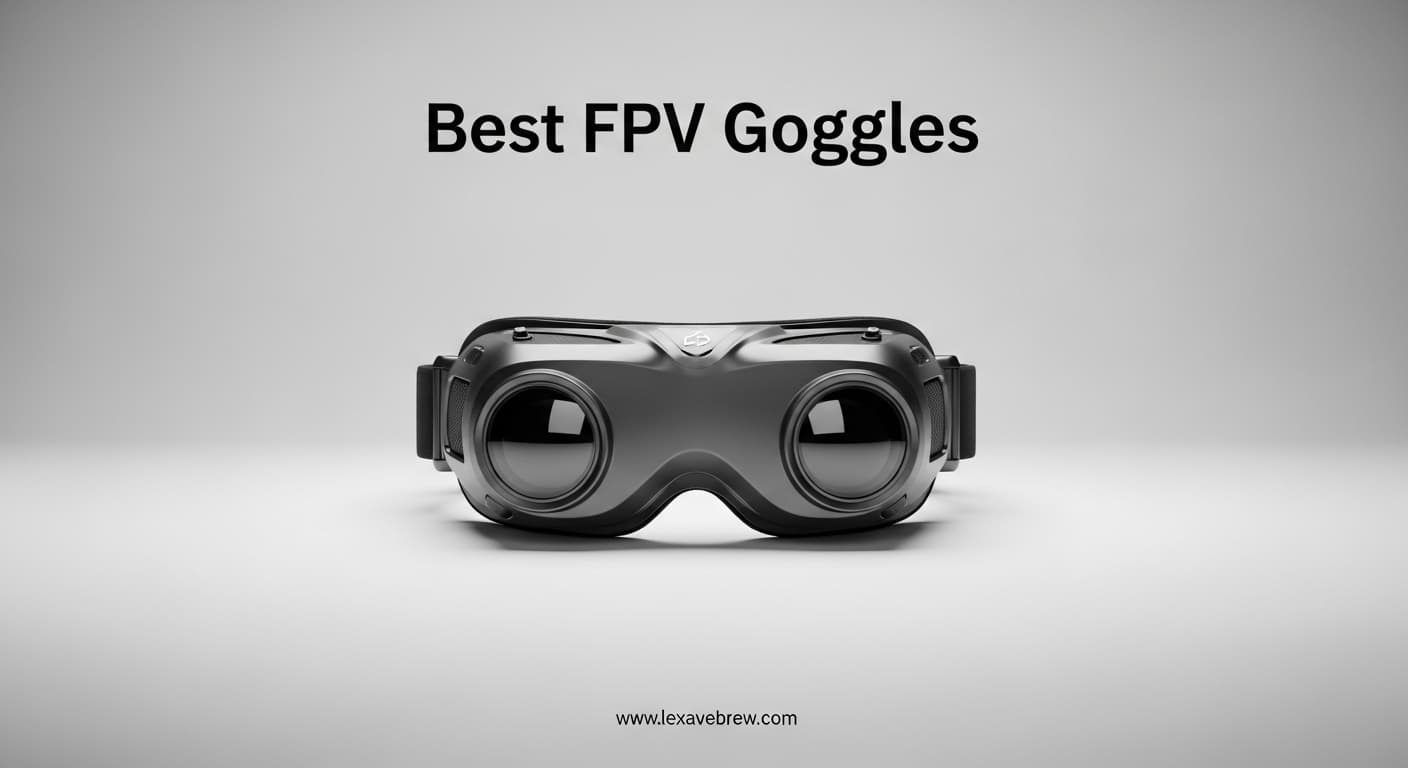
1. DJI Goggles 3
This is the cleanest buy now choice for lowest-latency competition flying. DJI says Goggles 3 support O4 low-latency video transmission and can run up to 3 hours, while its store lists compatible O4 setups at 24 ms latency and a 60 Mbps bitrate.
2. DJI O4 Air Unit stack
If your race rig is already moving toward DJI digital, this is the performance anchor to watch. DJI says the O4 Air Unit Series brings higher resolution, lower latency, extended range, a 1/2-inch image sensor, 4K/60fps capture, and an 8.2-gram footprint, which explains why the feed now matters as much as the frame.
3. BETAFPV VR04 HD Pro
For long heat sessions, this is the endurance pick that keeps the view usable when fatigue starts creeping in. BETAFPV says the VR04 HD Pro can run up to 4 hours on dual 3800mAh batteries, a serious advantage when you need your goggles to stay comfortable from practice through mains.
4. BETAFPV VR04 HD

This is the value upgrade for racers who want more runtime without jumping to the top of the price ladder. BETAFPV lists up to 3 hours on dual 2600mAh batteries, which makes it the sensible middle ground for pilots who want to stretch a session and still keep costs under control.
5. BETAFPV VR04
This is the easiest fit for pilots who wear glasses and still want a purpose-built FPV headset. BETAFPV markets the VR04 as glasses-friendly, and that kind of practical comfort matters when the headset has to disappear on your face instead of becoming another distraction.
6. Walksnail digital HD goggles
This is the best ecosystem switch for racers who want a clear digital alternative to DJI. Walksnail says it was established in 2017 and positions itself as a digital HD FPV supplier, which makes it one of the key names in the market’s split between distinct video systems rather than one universal standard.
7. Fat Shark race goggles

This is the heritage pick for pilots who still trust a familiar racing form factor and do not want the digital arms race to define every purchase. The fact that Fat Shark still appears in a 12-model guide says a lot about how much legacy hardware still matters when the goal is control, not just specs.
8. SkyZone goggles
This is the steady non-DJI choice for racers who want a proven brand without overpaying for the newest ecosystem badge. SkyZone’s place in the guide reinforces the same point: a lot of pilots still care more about what the headset feels like in a full day of flying than about chasing a headline feature.
9. SpeedyBee goggles
This is the best value upgrade path for pilots moving up from starter gear. In a market where premium goggles can cost hundreds of dollars, SpeedyBee fits the part of the ladder where racers are trying to improve the feed and keep the budget intact.
10. Premium digital goggles

This is the high-end lane for pilots who are buying performance, not just a screen. The surprising reality is that some digital systems now justify their price because lower latency, image quality, and ecosystem compatibility can all affect lap consistency as much as a new prop or battery choice.
11. Budget analog goggles
This remains the smartest buy for racers who want to get on track without paying the digital premium. FPV shopping guides still note that analog survives partly because digital systems are more expensive, and that cost gap still shapes the first serious headset decision.
12. The wait-and-see pick
If you are not locked into a setup yet, waiting is a valid move, especially when the market is still split by ecosystem, fit, and battery life. The right headset now has to match your air unit, your comfort needs, and your race-day routine, so the best decision is not always the flashiest one, it is the one that keeps the feed trustworthy when the pack is on the line.
This article was produced by Prism’s automated news system from verified source data, official records, and press releases, then run through automated quality and moderation checks before publishing. The system is built and supervised by the people who set the standards it runs under. Read our full AI policy.
Did this article answer your question?