Minjae Kim wins MultiGP International Open after tight global battle
Minjae Kim won the MultiGP International Open, and Tattu-backed pilots filled the top four as 170-plus racers turned Muncie into FPV’s hardest proving ground.
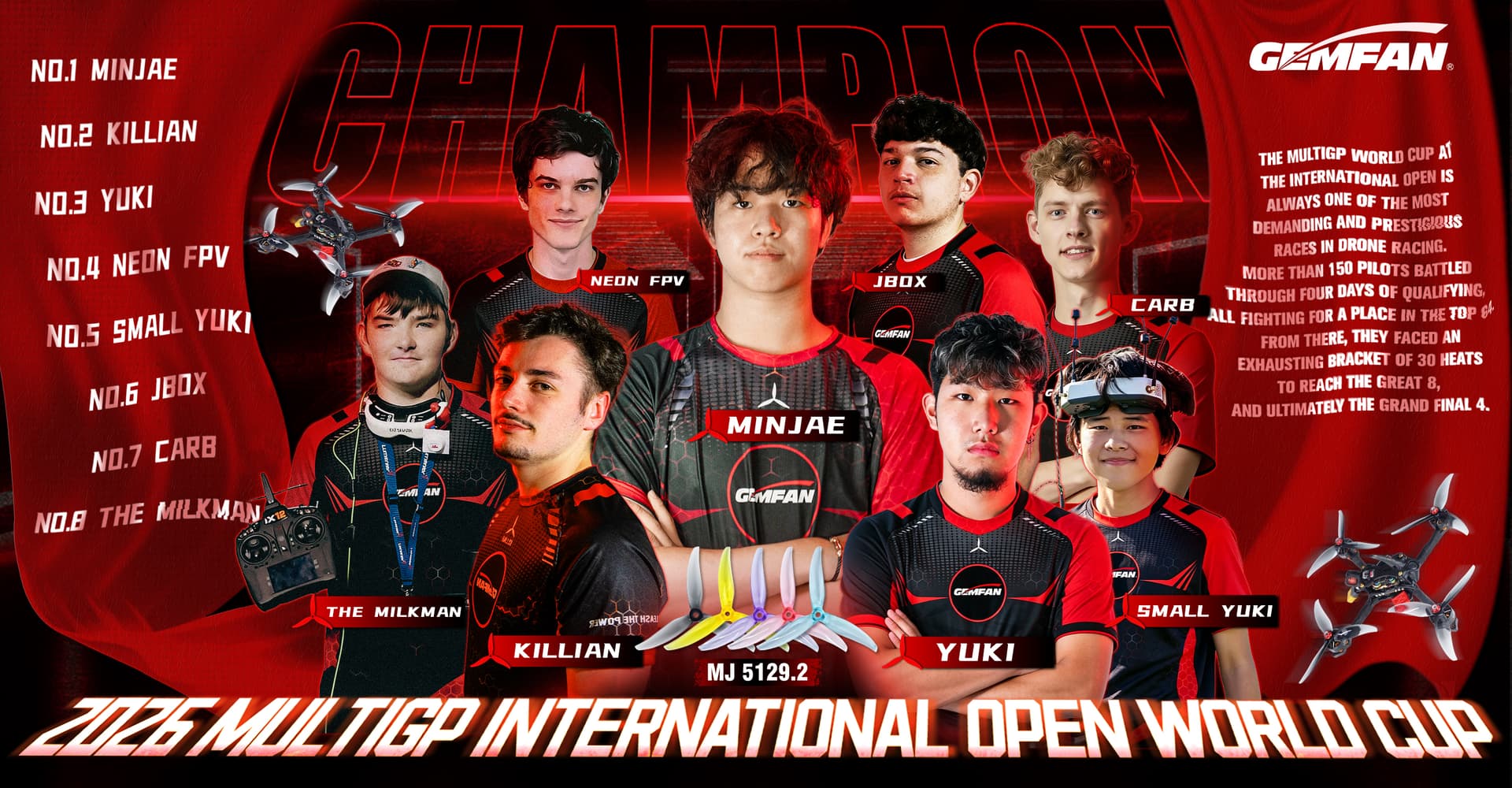
Minjae Kim won the 9th MultiGP International Open in Muncie, Indiana, and the result came with a sponsor-backed clean sweep at the front of the field. Killian Rousseau finished second, Yuki Hashimoto third and Jonny Exner fourth, giving Tattu-backed pilots the top four spots in a final that was decided by razor-thin margins.
That matters because this was not a small domestic meet dressed up as a showcase. The event ran from June 10 to June 14 and drew more than 170 elite pilots from around the world, turning Muncie into a genuine international pressure cooker. When the field is that deep and the podium still shakes out in a straight sponsor sweep, it says the sharp end of elite FPV racing is being shaped as much by preparation, equipment and support as by raw stick talent.
The structure of the International Open made that edge harder to hide. MultiGP’s results page shows a weeklong festival of formats, not a single run-of-the-mill race weekend. Team events, chapter-organizer races, high-voltage racing, build-and-fly contests, over-40 and over-50 classes, ladies and junior races, IO-spec races and whoop races all fed into bracket-style stages and qualifying rounds that led to the World Cup finals. That mix tests more than speed. It punishes mistakes in setup, battery management, tuning and race-day decision-making, and it rewards the teams that arrive with enough support to keep pilots sharp through every format.

Kim’s win sits in that context. A first-place finish at the International Open does not come from one perfect lap alone; it comes from surviving a full event where every round can expose a weak link. Rousseau, Hashimoto and Exner were close enough to keep the final order under constant pressure, but the Tattu-backed lockout of the top four suggests the current hierarchy at the front of the sport is getting more organized, more resourced and harder to crack. The rest of the international pack now has a clear problem to solve before the next major event: matching not just the speed of the leaders, but the whole system behind them.
This article was produced by Prism’s automated news system from verified source data, official records, and press releases, then run through automated quality and moderation checks before publishing. The system is built and supervised by the people who set the standards it runs under. Read our full AI policy.
Did this article answer your question?