Mitchell Tech Launches First Drone Racing Team, Fielding 18 Student Pilots
A lab exercise at Mitchell Tech in South Dakota grew into the school's first FPV drone racing team, with 18 student pilots set to race against 10 Midwest rivals this season.
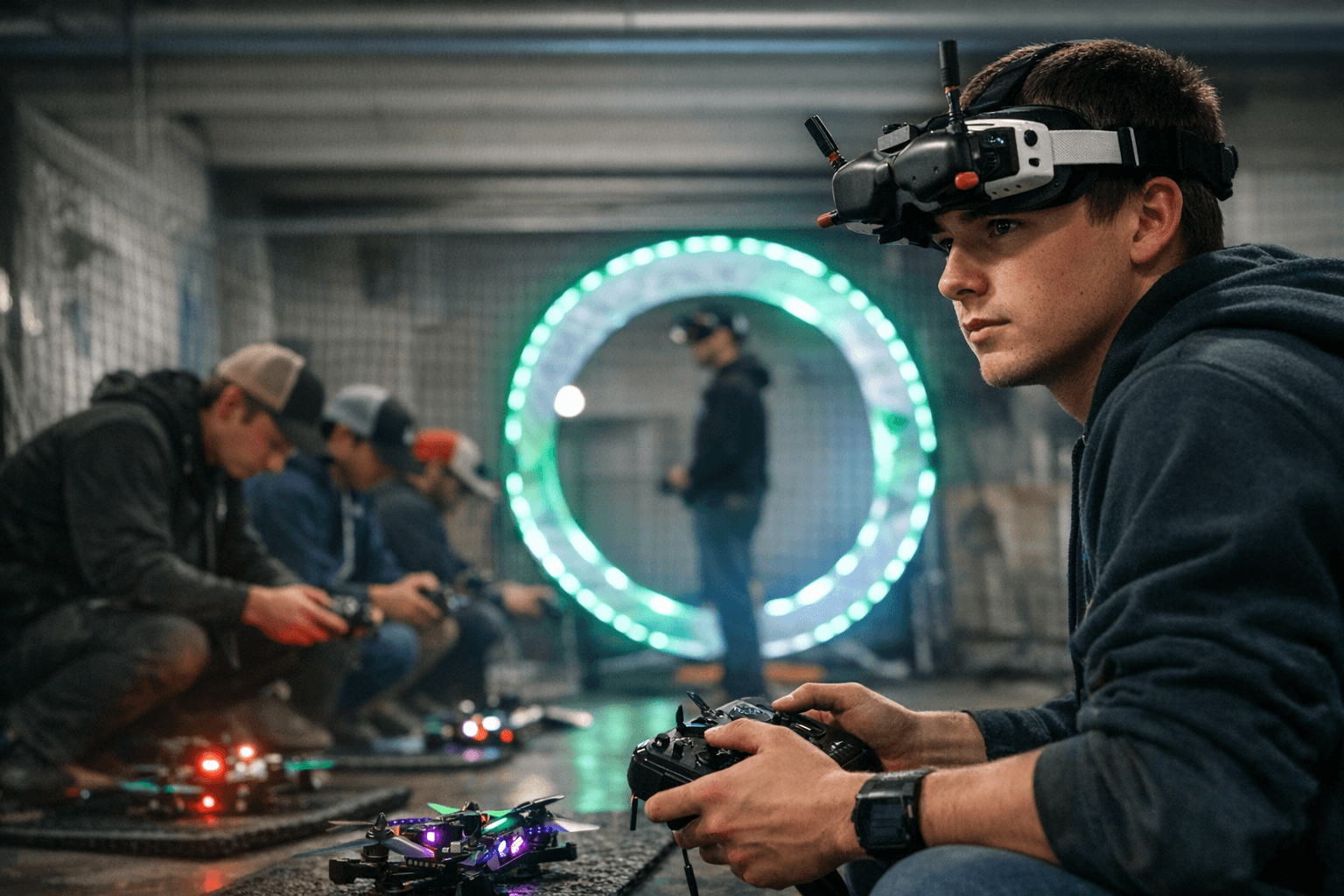
What instructor Devon Russell designed as a classroom lab exercise inside Mitchell Technical College's drone aviation and geospatial technologies program has become something harder to contain: South Dakota's newest collegiate competitive drone racing team, 18 pilots strong and already eyeing a Midwest schedule against roughly 10 other schools.
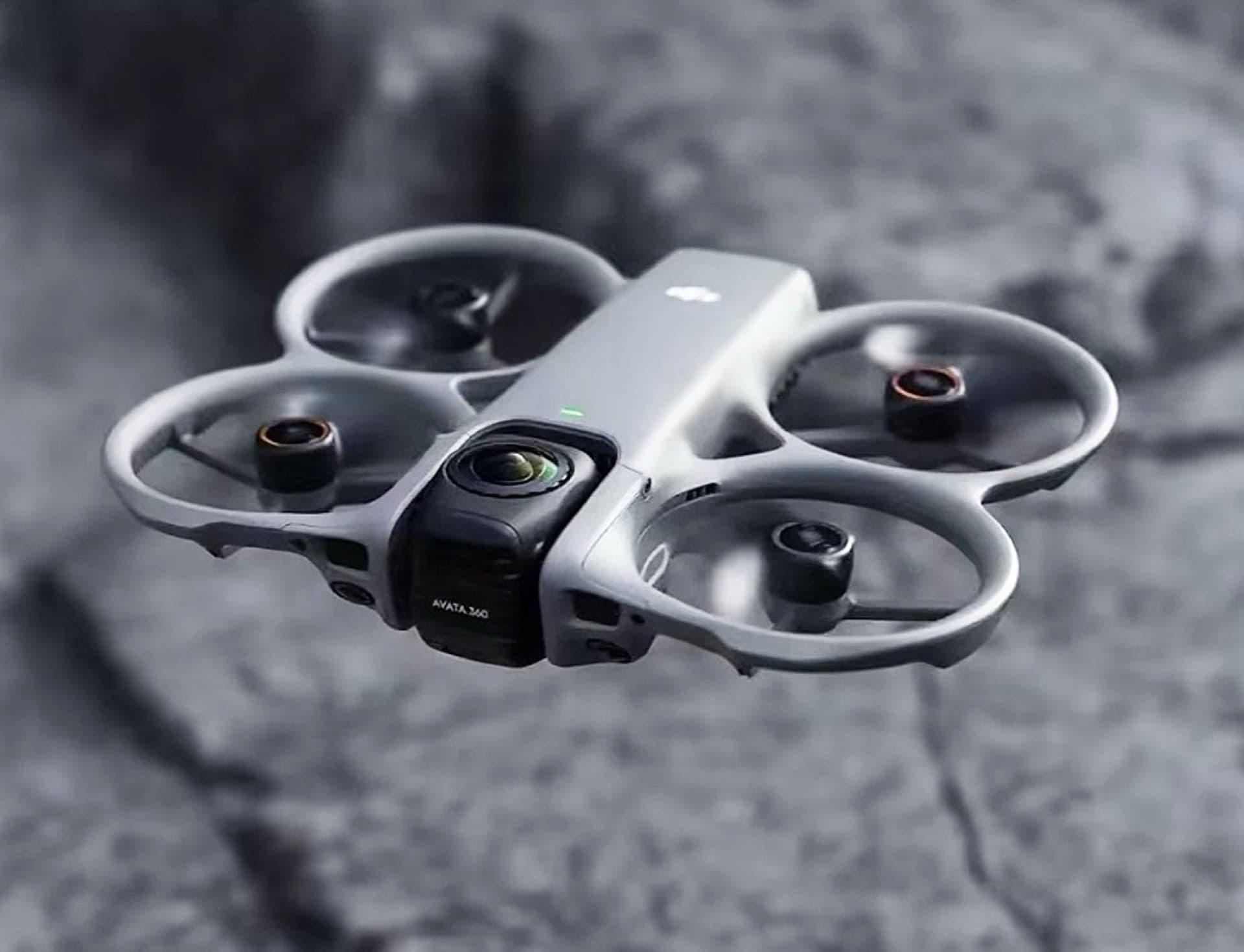
Russell framed the team's purpose with precision. Racing gives students "a different kind of flying skill" that sits alongside the mapping, inspection, and payload operations that form the rest of the curriculum. The quads the team flies reinforce that philosophy. Compact disc-sized and built with enclosed propellers, they are purpose-built for impact survival, letting students push through gates and cone courses at speeds near 25 mph without halting practice every time a frame clips a turn. The durability is intentional: the goal is high-repetition training, not cautious laps.
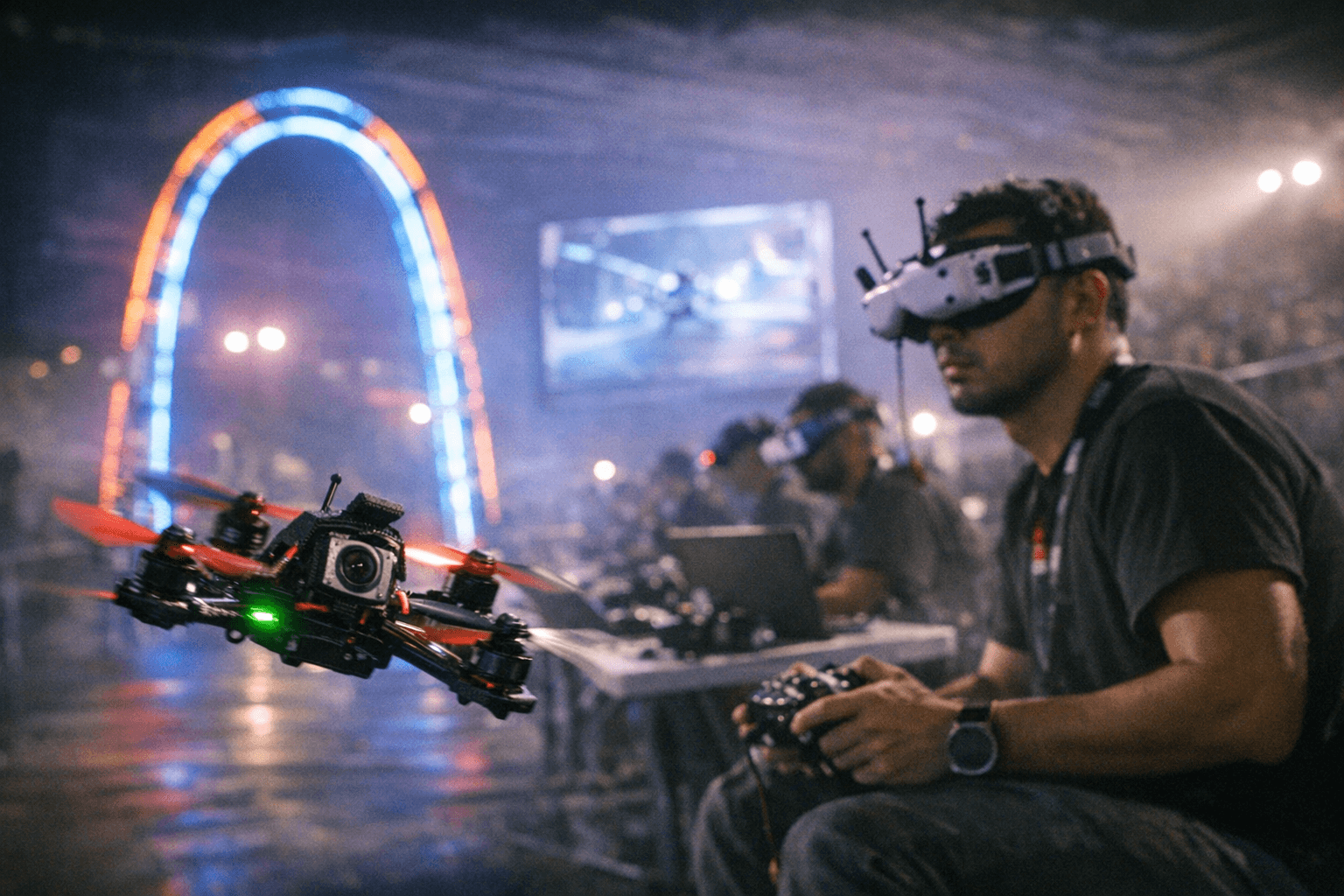
Student pilot Jyler Tharaldsen emerged as one of the team's most visible voices, describing the sensation of flying through FPV goggles as a combination of "excitement, adrenaline, exhilarating and a whole lot of dopamine." That reaction is partly what Russell is counting on. The FPV experience, in which a live camera feed streams directly into the pilot's goggles to simulate a cockpit view at racing speed, is difficult to convey secondhand. Students have called it simply "unexplainable" without trying it firsthand.
The training structure grounds that rush in repeatable technique. Pilots work through gate courses and cone layouts inside the lab, drilling clean lines and consistent lap times before the competitive calendar begins. The skills they are building, muscle memory for precise stick inputs, fast electrical and radio troubleshooting, operational discipline under pressure, translate directly to the commercial UAV roles many of them will pursue in surveying, inspection, and other professional sectors.
In its pilot year, participation in the racing team is required for students enrolled in the drone aviation program, a policy that seeded the roster quickly and ensured 18 pilots were developing race-ready skills from day one. Mitchell Tech expects to open membership to any student next year, broadening both the team's reach and the sport's footprint on campus.
The structure of the program offers a replicable model for other technical schools watching the UAV labor market expand. Integrate racing into existing coursework, require participation during the launch year to build critical mass, then scale competition exposure in subsequent seasons. Mitchell Tech's approach treats FPV racing not as extracurricular novelty but as a direct technical training environment, one that produces pilots prepared for both the track and the job site.
Know something we missed? Have a correction or additional information?
Submit a Tip