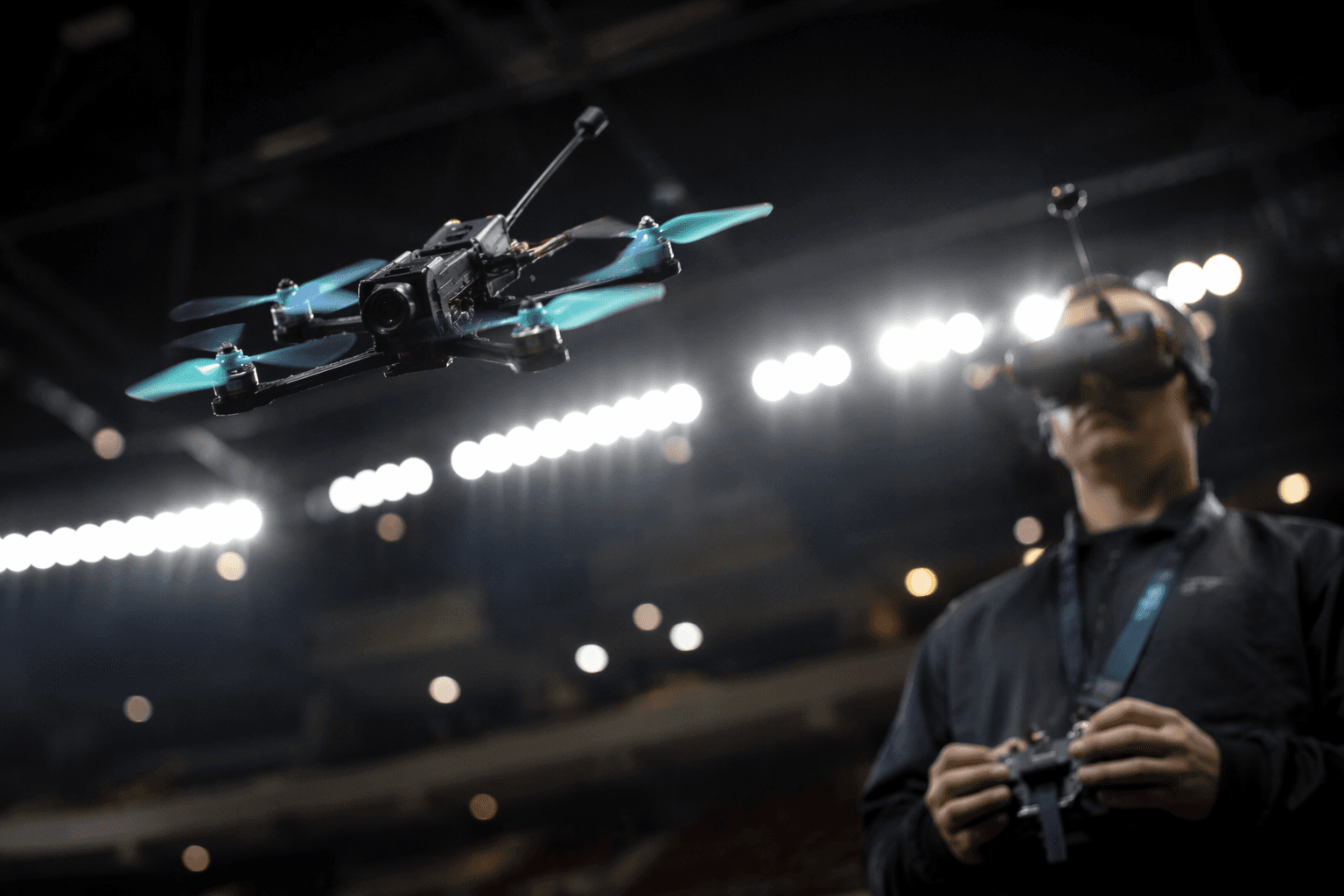
MultiGP chapters power drone racing’s global growth
MultiGP’s 500-chapter network turns local races into a global pipeline, with 30,000-plus pilots, real-time race tools and a clear path to bigger grids.
MultiGP’s real engine is not a single marquee race, it is the chapter network underneath it. That system turns scattered local meetups into a repeatable competition structure, and MultiGP says it now spans more than 30,000 registered pilots and 500 active chapters worldwide. In a sport that grows by creating more starts, more slots and more chances to race, that is the number that matters.
How the chapter model works
MultiGP defines chapters as local groups of pilots in a specific region that organize frequent drone-racing events to improve skills, competition and the sport’s progression. The key detail is that chapters are not just social clubs with props and batteries scattered on a table. They are built to keep their own identities and character while still plugging into a larger league structure that gives races a common format.
That balance is what makes the model scalable. A chapter can feel local, even personal, with organizers who are described as passionate and enthusiastic, but it still feeds into a broader competitive system. MultiGP says chapters welcome pilots regardless of skill level, which matters because the sport’s base is not built only on elite talent. It is built on enough entry points for beginners to show up, race, and stay.
Why the numbers are the story
The scale numbers on the chapter page are the clearest proof that this is not a niche fly-in model. More than 30,000 registered pilots and 500 active chapters worldwide is not just a membership count, it is a distribution network for competition. The more chapters exist, the more often pilots get access to organized racing, and the deeper each local field becomes when race day arrives.
That depth changes the quality of the start list. A chapter system creates more frequent events, more practice sessions and more meetups, which means pilots are not entering the occasional showcase cold. They are racing often enough to sharpen split-second decision-making, refine gate lines and learn how to survive traffic. In a sport measured in tenths and mistakes, repeated local competition is the difference between a casual hobby and a reliable talent pool.
MultiGP also says chapters organize regular races, practice sessions and meetups. That cadence matters because drone racing does not scale like tennis or golf, where a venue alone can sustain prestige. It scales through repetition and structure. Every chapter race adds another layer of competition, another chance for a pilot to move up, and another place where new racers can measure themselves against the field.
The tools that make the system repeatable
The chapter structure is only useful because the league supplies a common operating system. MultiGP says organizers can use RaceSync, a proprietary system that assigns racing slots and video frequencies in real time. That is not a small administrative detail. It is the kind of infrastructure that keeps a race from turning into chaos when the field gets bigger and the action gets faster.
Real-time slot and frequency assignment solves one of drone racing’s most basic problems: too many pilots, too much signal conflict, and too little room for confusion. When that gets handled cleanly, organizers can focus on the race instead of the logistics. The result is a more professional event flow, which is exactly what turns a backyard-style gathering into a league product.
MultiGP also says it provides helpful tools and resources so events stay organized, fun and safer. That combination explains why chapters can work at scale without losing their edge. The sport still feels immediate and high-speed, but the behind-the-scenes structure keeps heats moving and makes the experience more accessible for pilots who are still learning the format.
Standardization without erasing local identity
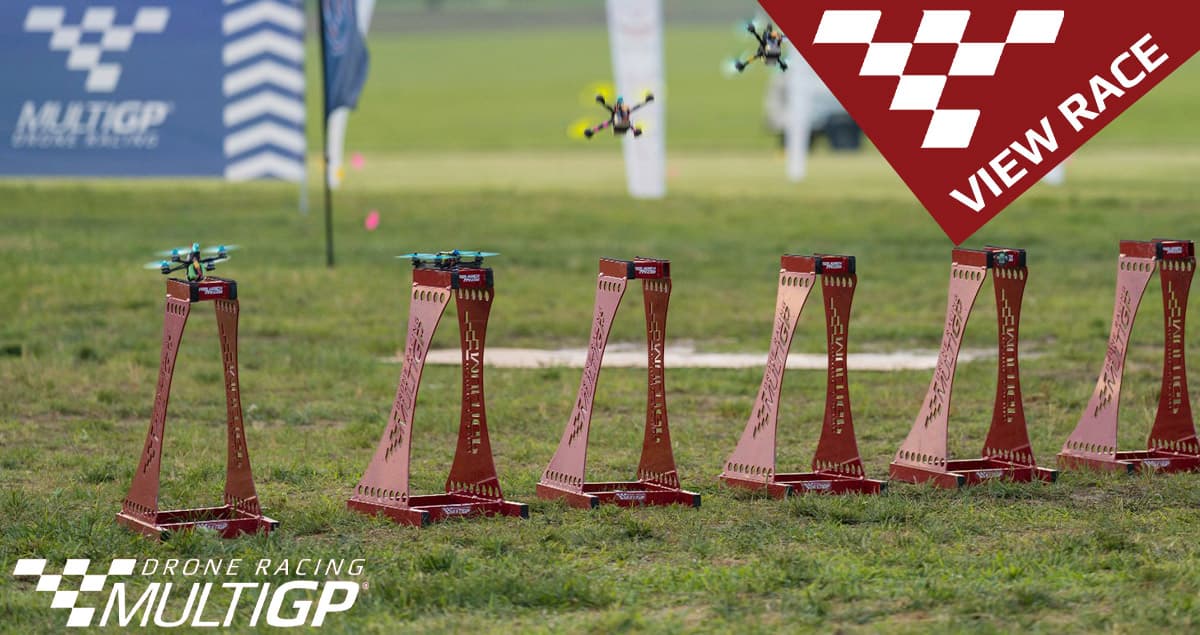
MultiGP’s about page adds another piece of the competitive puzzle: racing gates are treated as a worldwide standard. The league says those gates are built with specific dimensions and can accommodate sponsor panels, which gives every event a familiar competitive frame while still leaving room for local presentation and support.
That matters because standardization is what lets a pilot move from one chapter to another and still know the basic language of the course. Gates, slots and frequencies are the sport’s equivalent of a shared rulebook. Once those basics are consistent, a pilot’s skill travels farther than a single venue, and the competition starts to resemble a real ladder instead of a collection of isolated shows.
The sponsor-panel detail is not decoration. It shows that the race infrastructure is designed for the modern version of the sport, where competition, branding and event presentation all live on the same track. The gate is both a racing obstacle and a visible stage piece, which is exactly how grassroots sports build durability without losing their public face.
A built-in pipeline for new pilots
The chapter-benefits page makes the pipeline explicit: anyone with a passion for drone racing can start a chapter, and organizers work together to recruit and train new pilots. That is the competitive engine in plain language. The sport does not wait for talent to arrive fully formed. It creates local systems that identify, teach and keep pilots engaged long enough for ability to show up on the timer.
That is also why chapter growth matters so much. The tier system described on the chapter landing page rewards expansion, which gives local organizers a reason to keep building fields, recruiting pilots and running events. More chapters do not just mean more logos on a map. They mean more races, more repetition and more chances for a pilot to turn laps into results.
The model also explains why MultiGP presents itself as the world’s largest drone-racing league and FPV community. A title like that only means something if the underlying structure can produce actual competition on the ground. Chapters do that work. They create the local density that makes bigger fields possible, and they connect those fields to a league format that can carry pilots from first race to deeper brackets and higher-level events.
Why chapters shape who shows up on the grid
This is the part too many drone-racing stories miss. The sport is often sold through speed, camera angles and highlight clips, but the real growth story is organizational. A chapter system changes who shows up on the starting grid because it changes how often pilots race, how quickly they improve and how easy it is to stay involved.
More than 500 active chapters worldwide means more places where pilots can get on course. More than 30,000 registered pilots means a broader base of competition. RaceSync, standardized gates and shared event tools mean those pilots are not just flying in isolation, they are moving through a system built to produce cleaner races and deeper fields.
That is how drone racing grows from local meetup to serious ladder. The chapters are the ladder.
This article was produced by Prism’s automated news system from verified source data, official records, and press releases, then run through automated quality and moderation checks before publishing. The system is built and supervised by the people who set the standards it runs under. Read our full AI policy.
Did this article answer your question?