Oscar Liang’s FPV guide weighs latency, cost, and race-day performance
Five milliseconds can separate a clean gate from a crash. Here is which FPV system wins for racing pace, budget, ecosystem simplicity, and the next upgrade.
The decision that actually changes race day
Oscar Liang’s FPV guide matters because it treats the video link like race equipment, not a consumer gadget. In 2026, the real question is not which system looks best on a desk; it is which one keeps latency low, keeps the build affordable, and keeps the quad compatible with the local race scene. That is where the margins live, and it is where the wrong choice can slow a lap before the motors even spool.
On the four buying questions that matter most:
- Lowest-latency racing: HDZero
- Cheapest entry: analog
- Easiest ecosystem: DJI
- Best future-proof upgrade path for competitive racing: HDZero
That frame captures the whole debate. A few milliseconds, a few grams, and a few hundred dollars can decide whether a setup helps a pilot attack gates confidently or forces compromises before the first heat.
Lowest-latency racing still belongs to HDZero
HDZero remains the clearest race-first answer because its official docs keep pushing low latency as the core promise. The Race V3 VTX is explicitly positioned for racing, and the company’s Nano 90 V2 camera is described as its first 90fps camera, with HDZero saying it is 5 ms faster than analog 60i video to show a full field or frame. In a sport where a late correction can turn into a pole strike, that is not a small difference.
The bigger point is that HDZero is built around competitive response time, not just prettier footage. That focus matters in tight turns, split-second recoveries, and starts where every extra beat of delay makes the line feel softer. For racers who care most about raw pace and direct control feel, HDZero is still the cleanest fit.
DJI’s O4 tightens the race without changing the identity of the system
DJI is no longer just the premium digital default. Its O4 Air Unit series launched on January 9, 2025, and DJI says the O4 Air Unit weighs 8.2 grams, records 4K/60fps, and reaches a lowest transmission latency of 20 ms, while the O4 Air Unit Pro hits 15 ms in Racing mode with DJI Goggles 3. That is a meaningful shift for racers who used to dismiss DJI as too polished, too cinematic, or too far from the pace conversation.
The ecosystem remains the big advantage. DJI offers the smoothest all-in-one path for pilots who want premium image quality and fewer compatibility headaches, and that broad appeal has business implications for the sport as a whole. When the same brand that dominates consumer digital FPV starts speaking the language of race-mode latency, it pulls more pilots into digital racing and puts pressure on every other platform to keep up.
Analog still wins the cheapest entry
If the question is how to get on track with the least friction, analog is still the answer. Oscar Liang’s guide keeps it in the conversation because analog is lightweight, inexpensive, and predictable, which still matters when every crash budget has to stretch across batteries, frames, VTXs, antennas, and practice packs. It is not the flashiest option, but it is the one that lets a newcomer learn race lines without spending digital money on day one.
That affordability has cultural value too. Analog keeps the gate open for pilots who are testing the sport, building a first race quad, or trying to stay active in a class where gear turnover can get expensive fast. In a community that spans hundreds of chapters, the cheapest setup is often the one that brings the most new people into the pits.
The best future-proof path is the one that fits race rules
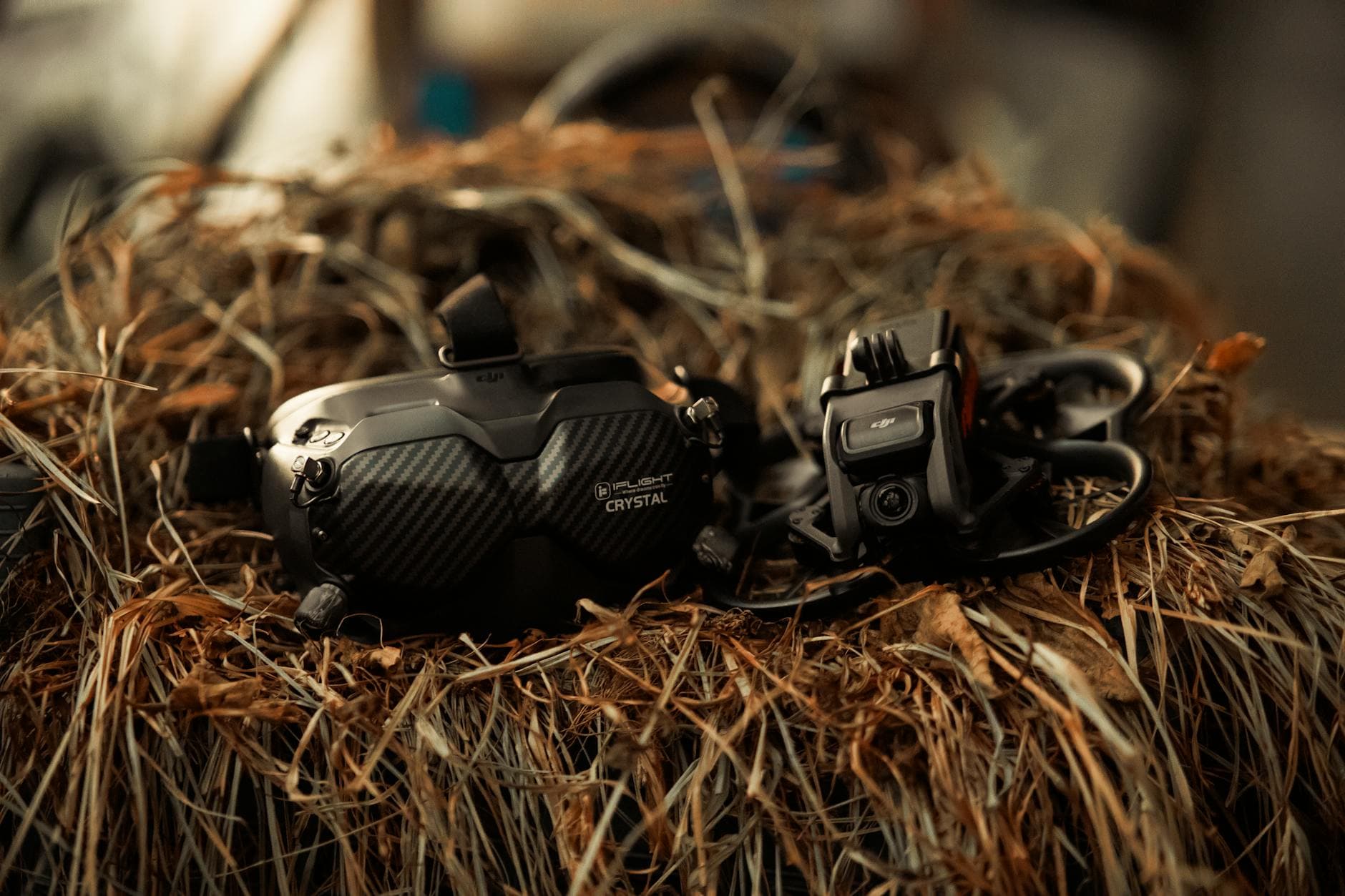
For a competitive racer, the strongest future-proof upgrade path is HDZero. The reason is not just performance, but compatibility with the direction of organized racing. MultiGP says it is the world’s largest drone racing league and FPV community, with more than 30,000 registered pilots and 500 active chapters worldwide, and some of its events allow Analog or HDZero digital video. That makes HDZero the cleaner bet for pilots who want a digital system that already lives comfortably inside race rules and race infrastructure.
MultiGP’s 2025 Championship in Tulsa, Oklahoma, was the first indoor edition of the event, and it was made possible by the HDZero Event VRX Pro system under a full metal roof. That detail matters because it shows digital FPV is no longer just a personal preference. It is becoming league infrastructure, the kind of gear that shapes what can be flown, where it can be flown, and how standardized a race weekend can become.
DJI still has the broader consumer momentum and the most polished ecosystem, so it remains a strong long-term buy for pilots who value a premium stack. But for someone building with racing compatibility in mind, HDZero has the clearer path from local heat to national-style spec class without asking the pilot to fight the hardware.
Walksnail is no longer just the middle option
Walksnail has sharpened its pitch enough to deserve real attention. CaddxFPV says the Avatar HD Kit V2 carries 22 ms latency, and the GT2 Kit also lists 22 ms latency with up to 20 km range. That puts Walksnail in a more serious position than the old “middle of the road” label suggests, especially for pilots who want digital image quality without giving up too much on response time or long-range flexibility.
The business story here is important. Walksnail is not simply chasing prettier video anymore. It is competing on the same race-day variables that matter to HDZero and DJI, which means the digital market is becoming more crowded and more choice-rich for pilots. That competition should help racers, because it pushes latency claims, hardware design, and pricing pressure in the same direction.
OpenIPC and Ascent show where the market could go next
OpenIPC is the most open and the most DIY of the newer options. Its APFPV documentation says the system creates direct Wi-Fi communication between the VTX and the ground station, essentially turning the VTX into a router linked straight to the pilot’s receiver. That approach is intriguing for tinkerers and builders who like to control every part of the stack, but the same documentation also warns that only tested hardware will perform well. The upside is flexibility; the downside is that it is far less turnkey than the major systems.
Ascent is the better example of how experimental ecosystems still need real-world proof before racers trust them. CaddxFPV’s Ascent Lite Kit page lists a 6 g VTX, a 1/2.8-inch image sensor, and 1080p/60fps output. Early independent testing has been mixed, with reports that Ascent VTX and goggles are not compatible with Avatar HD products and that latency can be higher than expected in some modes, with spikes around 70 ms. That is a reminder that in racing, a promising spec sheet is only the first lap of the story.
What this means for the sport
The bigger cultural shift is that FPV video links are now shaping access, identity, and race strategy, not just picture quality. DRL has long helped frame drone racing as a broadcast-friendly sport, but MultiGP’s scale and spec rules show how the community itself is defining which systems count on race day. The choice between analog, DJI, HDZero, Walksnail, OpenIPC, and Ascent is no longer just a gear discussion. It is a decision about cost, compatibility, and how much margin a pilot wants between the screen and the gate.
That is why Oscar Liang’s guide still reads like a practical roadmap. Analog is the cheapest doorway in. HDZero is the sharpest racing tool. DJI is the easiest premium ecosystem. Walksnail is the most serious challenger in the middle. OpenIPC and Ascent are the signs of a market still in motion. In a sport where five milliseconds can matter, the best system is the one that protects pace, fits the class, and leaves the fewest surprises in the air.
This article was produced by Prism’s automated news system from verified source data, official records, and press releases, then run through automated quality and moderation checks before publishing. The system is built and supervised by the people who set the standards it runs under. Read our full AI policy.
Know something we missed? Have a correction or additional information?
Submit a Tip