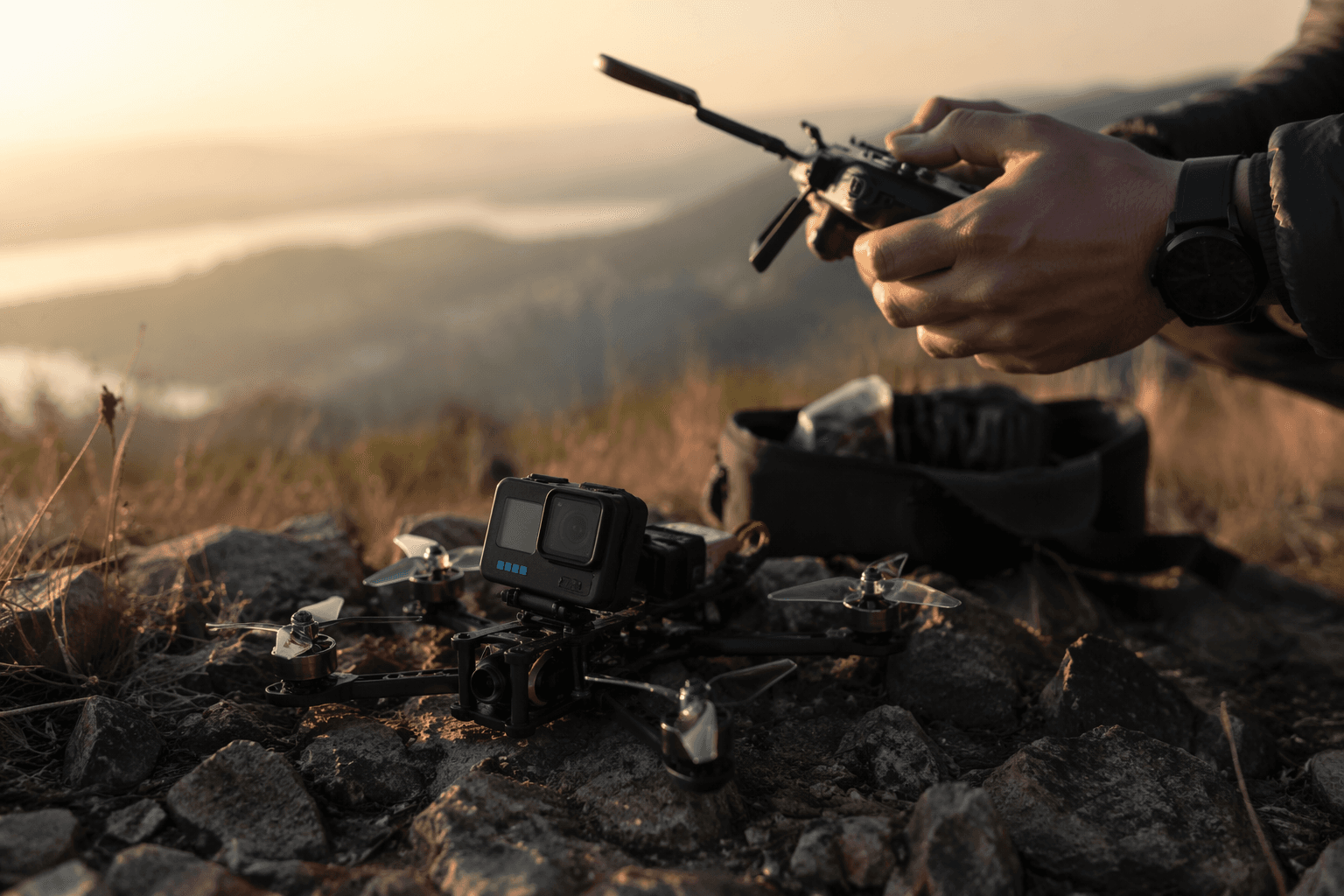
Pentagon taps drone racers and hobbyists for $54 billion buildout
The Pentagon’s $54.6 billion drone push could squeeze FPV parts, pull top builders into defense work and rewrite the race-to-contract pipeline.
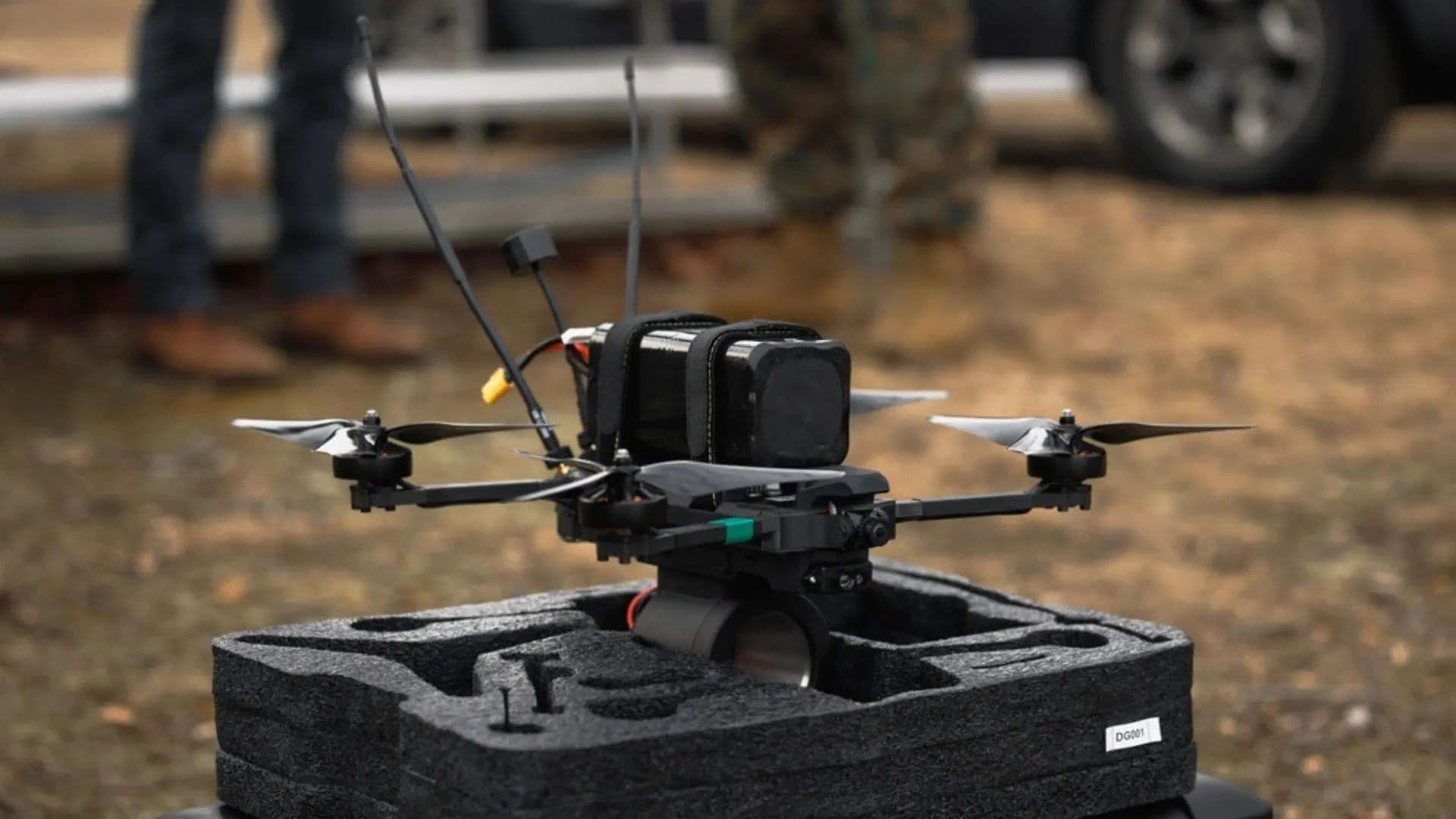
The Pentagon’s latest drone buy is reaching straight into FPV racing, and the money is big enough to change who builds the parts that pilots use every weekend.
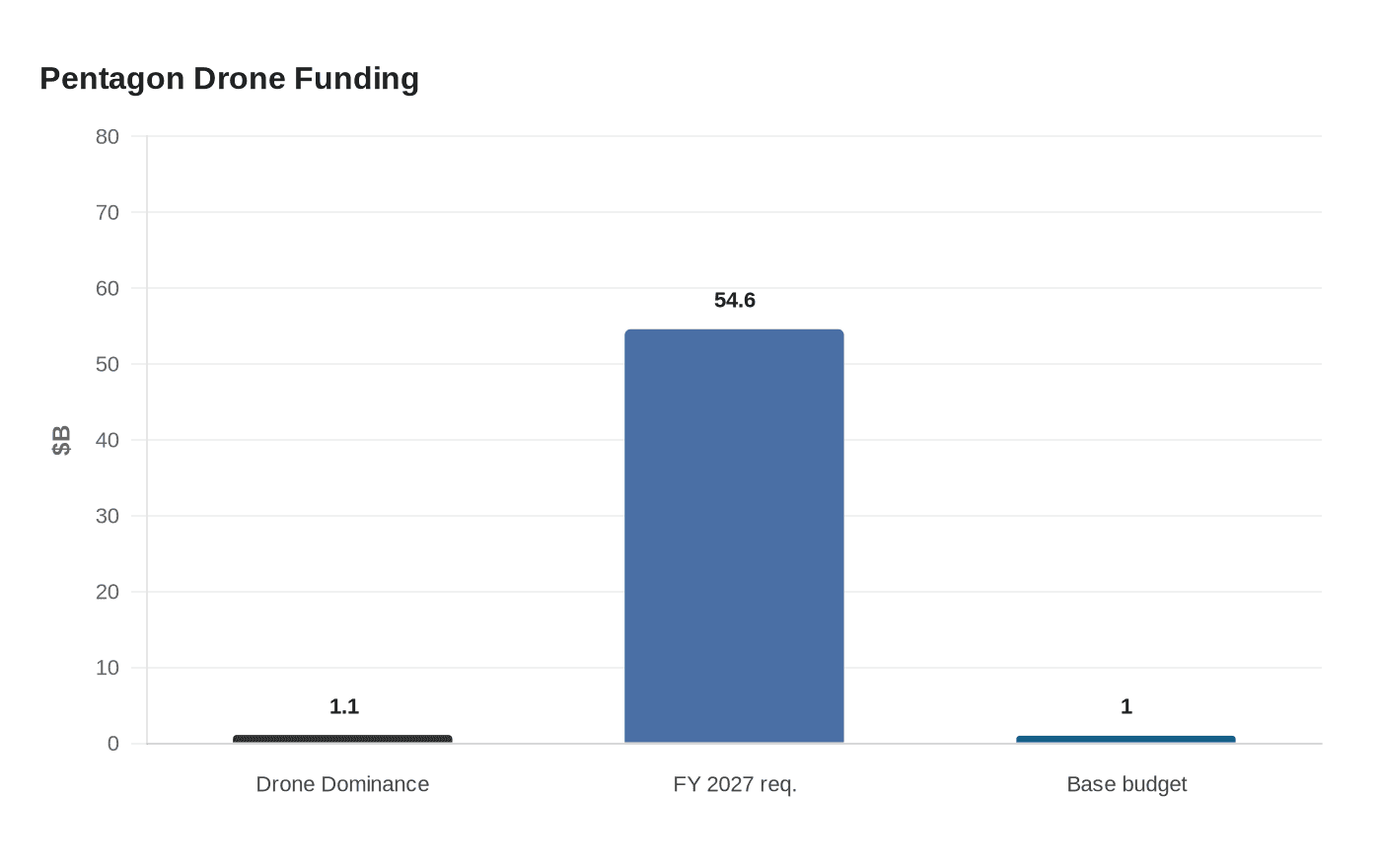
Drone Dominance, the 18-month competition launched in late 2025, is designed to award about $1.1 billion in contracts. Official program materials say the Department of War plans to buy more than 200,000 drones by 2027, while broader reporting says the push could lead to procurement of roughly 300,000 small drones. That is not a side project. It is a mass-production race, and the government is openly looking for the same kind of speed, improvisation and low-cost hardware that powered drone racing and the wider FPV hobby scene.
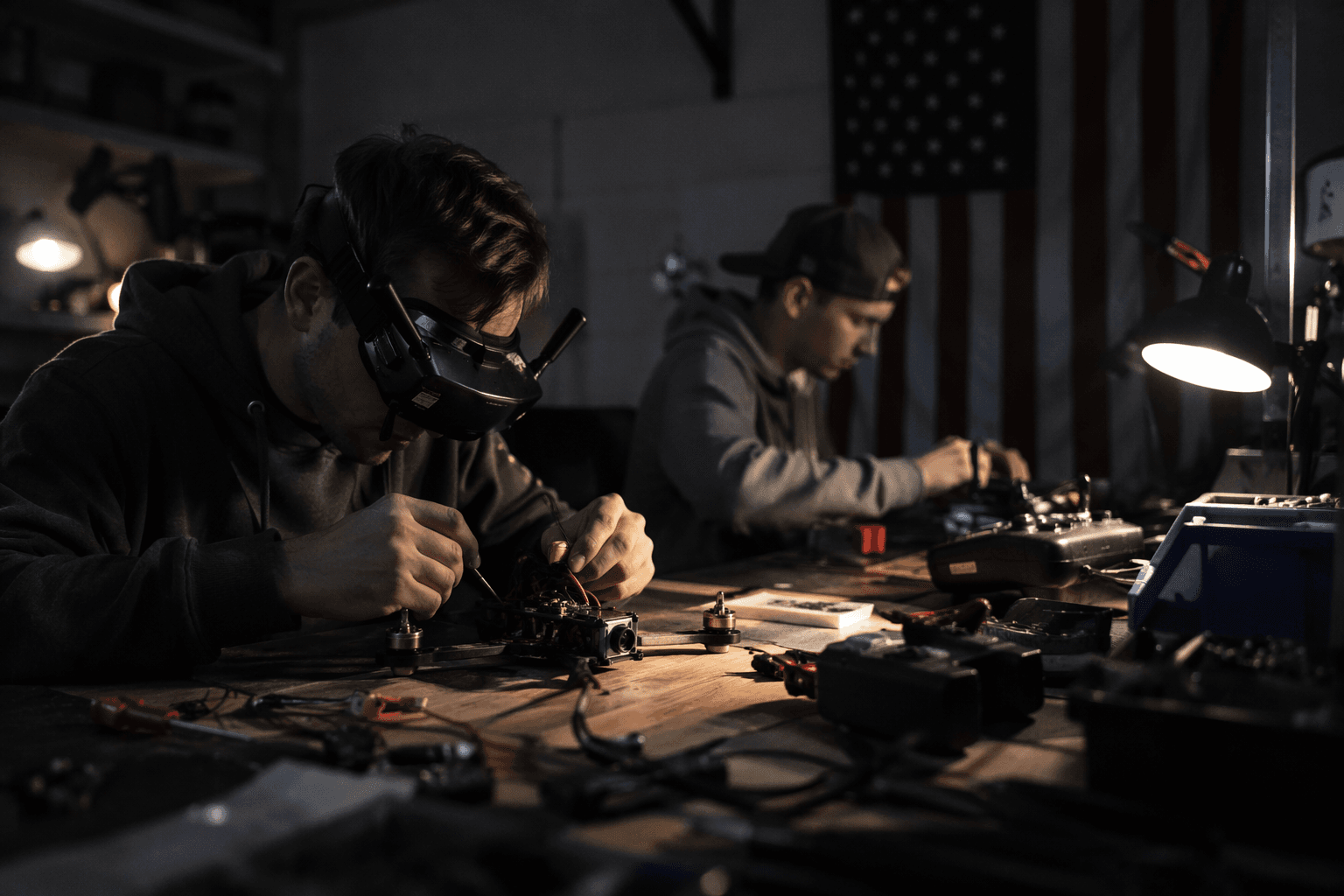
The supplier pool tells the story. The Washington Post reported on June 3 that the contest drew in a company that analyzes golf-course grass, another tied to aerial light shows, and a startup founded by 23-year-old former drone racing world champion Soren Monroe-Anderson. The names attached to the broader field, including Neros, Skycutter and Skyfall, point to how far outside traditional defense circles the Pentagon is now shopping.
For racers, that matters in the parts bin first. When a government buyer starts chasing the same motors, flight controllers, batteries, antennas and frames that FPV builders burn through in competition, the pressure runs both ways: more demand can mean tighter supply, and tighter supply means higher prices for hobbyists and teams. It also changes the talent market. Builders who once chased lap times and gate splits now have a defense customer that values the same instincts, fast iteration, low latency systems and the ability to fix a broken airframe in hours, not months.
The strategic backdrop is Ukraine and Iran, where cheap small drones have repeatedly shown how much battlefield value can come from disposable systems instead of expensive platforms. That lesson is feeding directly into the Pentagon’s money. Defense One reported that the FY 2027 request seeks about $54.6 billion for the Defense Autonomous Warfare Group, with only about $1 billion in the standard base budget, a split that shows how much of the push sits outside the usual procurement lane.
For FPV racing, the collision is now clear: if Pentagon demand keeps growing, the sport could gain sponsors, jobs and new technical pathways, but it could also lose some of the parts, builders and innovation tempo that made it work in the first place. The race is no longer just on the track. It is in the supply chain, the talent pipeline and the contract queue.
This article was produced by Prism’s automated news system from verified source data, official records, and press releases, then run through automated quality and moderation checks before publishing. The system is built and supervised by the people who set the standards it runs under. Read our full AI policy.
Know something we missed? Have a correction or additional information?
Submit a Tip