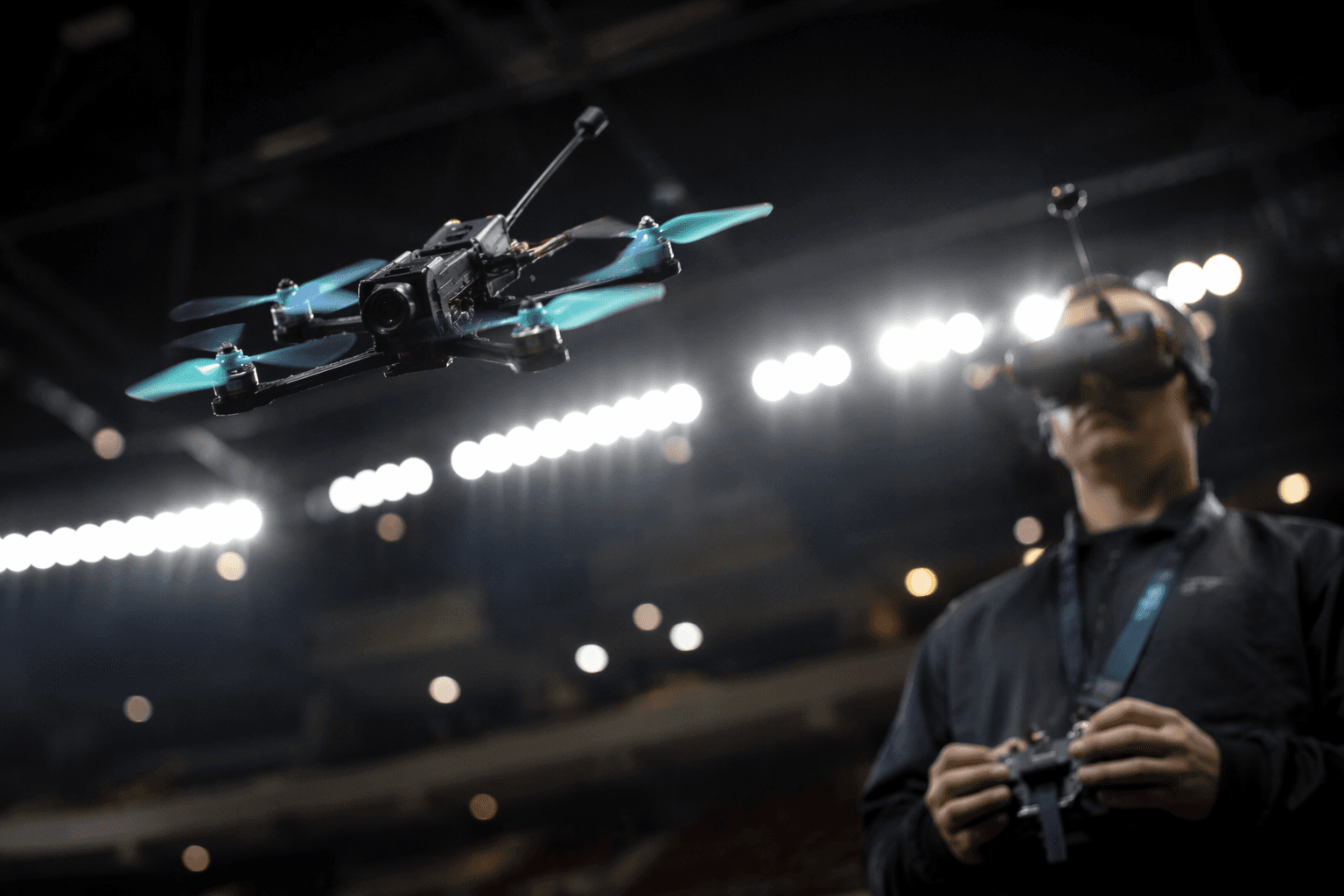
Prime Day drone deals spotlight DJI Avata, Goggles, Mini models
Prime Day’s best drone buys are the ones that shorten the path to first laps. Goggles, Avata-class kits, and step-up Mini models beat creator-only camera discounts.

Amazon’s 2026 Prime Day runs June 23 through June 26 for Prime members, with deals across more than 35 categories. For drone buyers, the discounts matter only when they get a pilot airborne faster, keep practice sessions longer, or make the jump from simulator to first-person flight easier.
The four-day window changes the buying calculus
A four-day sale leaves little room for impulse buys that do not improve flying. The useful question is not whether a drone is discounted, but whether it changes the path to better laps, more reps, or a cleaner move into FPV. In a market where camera-drone promotions can drown out genuine race gear, the best Prime Day purchases are the ones that reduce friction: fewer compatibility headaches, fewer return trips to the store, and fewer barriers between a new pilot and a first real session.
Drone racing is an ecosystem sport. A cheap aircraft means little if the goggles are wrong, the controller does not fit your style, or the platform is only useful for footage. The drone deals that deserve attention are the ones that fit a training ladder, not just a product shelf.
Start with the goggles, because they shape everything else
DJI’s Avata 2 sits at the center of the current FPV conversation as DJI’s latest FPV drone, paired with DJI Goggles 3 and DJI RC Motion 3. That combination makes the aircraft an entry point into immersive flight, so FPV buyers should look at the whole package instead of the aircraft alone.
DJI’s newer Goggles N3, introduced on November 6, 2024, work with DJI Neo and DJI Avata 2, are designed to be worn over personal glasses, and feature ultra-low-latency transmission plus a 1080p ultra-wide display.
Goggles are the clearest race-useful buy in the Prime Day mix. They are the gatekeeper to first-person flying. If the sale price lands on Goggles N3 or another compatible headset, that purchase can matter more than a cheaper drone that does not fit the same system.
Where the Avata line fits in a race-focused cart
The Avata line makes sense when the goal is to learn FPV without building a rig from scratch. The Avata 2 is built around immersive flight rather than a creator-first camera tool. A deal on Avata 2 is race-useful when it comes with the right goggles or when it closes the gap between simulator reflexes and real-world control.

The key distinction is compatibility. Avata 2 with Goggles 3 and RC Motion 3 is an ecosystem purchase, not a one-off gadget buy. That can be good news for a pilot who wants one system to learn on, but it also means the discount should be judged on the whole entry cost. A bargain on the aircraft alone may leave the rest of the entry cost untouched.
Mini, Neo, and Flip belong in the stepping-stone column
DJI’s Mini 3, Mini 4, Neo, and Flip appear in the deal conversation for a reason: they sit in the lightweight, general-purpose corner of the market. Those models are useful when portability, convenience, and low-stress practice matter, especially for pilots who are still deciding whether they want to lean toward racing, content creation, or both. A pilot who needs a small drone for scouting, casual flight, or simple field practice can find real value there.
But for a reader focused on lap times and track progression, these are conditional buys. They are useful only if they help build flight time, not just footage. A Mini model can be a good stepping stone, but it is not a substitute for FPV hardware when the goal is to sharpen race-style reactions.
The new Antigravity A1 is another reference point in a market that keeps shifting.
The purchases that actually improve practice volume
Goggles, batteries, chargers, radios, simulators, spare props, and repair gear do more for practice volume than a shiny camera-drone markdown. They keep you in the air longer, reduce dead time between sessions, and make it easier to recover from the inevitable crashes that come with learning FPV or racing at speed.
A sale page full of DJI badges can make it tempting to chase the biggest discount. The better filter is simpler:
- Race-useful: compatible goggles, FPV-capable aircraft like Avata 2, and support gear that extends flight time or reduces setup friction.
- Conditional: Mini 3, Mini 4, Neo, and Flip if the deal supports a training role, portability, or a step toward FPV.
- Creator-only: camera-drone markdowns that improve footage but do little for laps, repetition, or control under pressure.
This article was produced by Prism’s automated news system from verified source data, official records, and press releases, then run through automated quality and moderation checks before publishing. The system is built and supervised by the people who set the standards it runs under. Read our full AI policy.
Did this article answer your question?