PropWashed 2026 drone guide helps pilots choose FPV, follow-me or pro rigs
PropWashed’s 2026 guide cuts through the drone hype and points pilots to the right machine for the job. The big takeaway: FPV, follow-me, and pro rigs solve different problems.
The real question is not which drone is best, but what you want to do with it
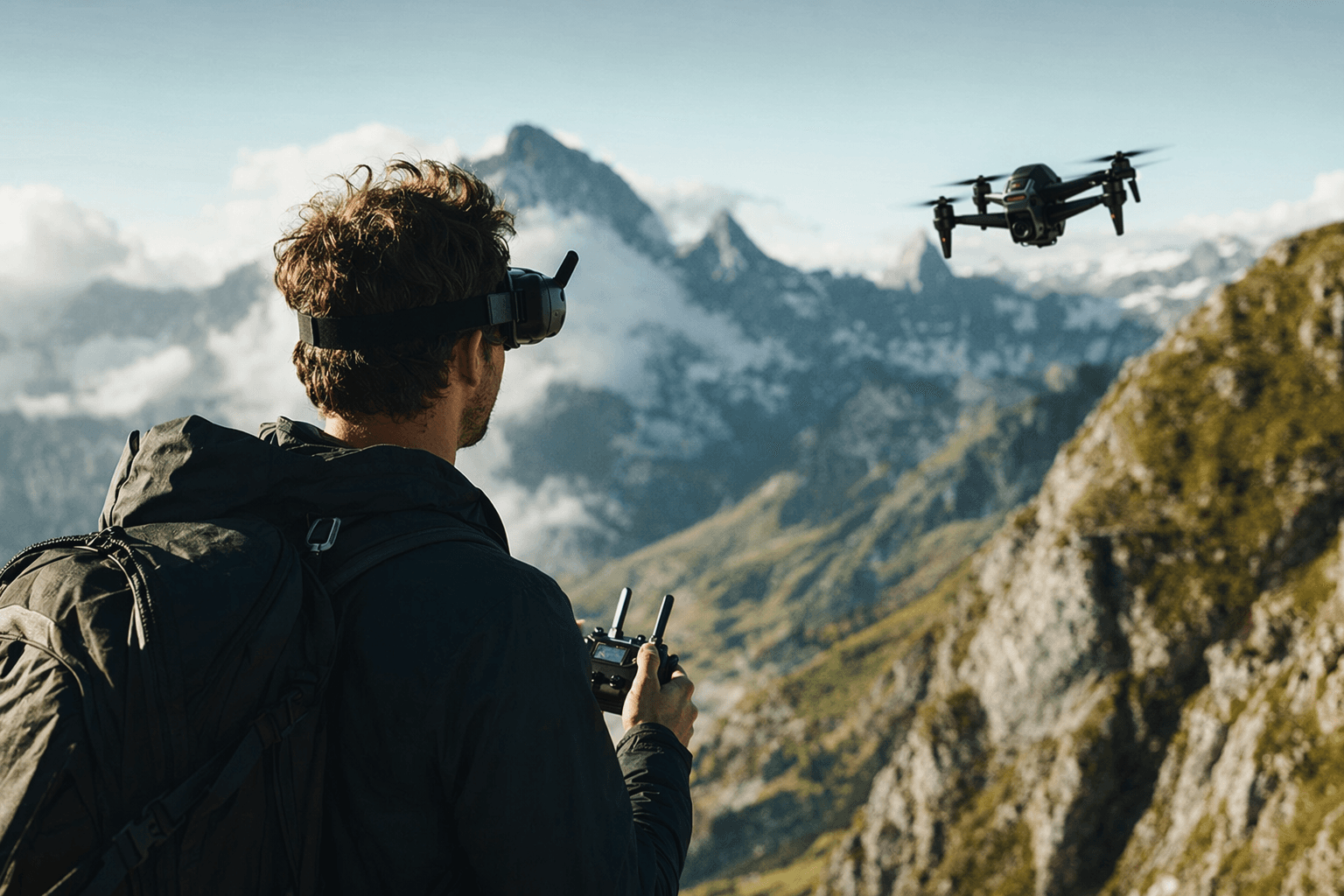
PropWashed’s 2026 drone guide is useful because it starts with the part most buyers get backward: the mission comes first, then the machine. A small follow-me drone, a high-end pro rig, and an FPV platform are built for different kinds of flying, and the guide keeps dragging the conversation back to that point. Instead of chasing specs in isolation, it tells pilots to match the drone to the actual use case, which is the rare buying advice that survives contact with reality.
That framing matters in drone racing too. A lot of pilots start with a camera drone, learn the basics, and only later discover that speed, control, and line choice are a different sport entirely. The guide works as an on-ramp because it helps readers understand which aircraft are training tools, which are content machines, and which are closer to a true FPV gateway.
FPV is the most obvious bridge, and the Avata 2 is the clearest entry point
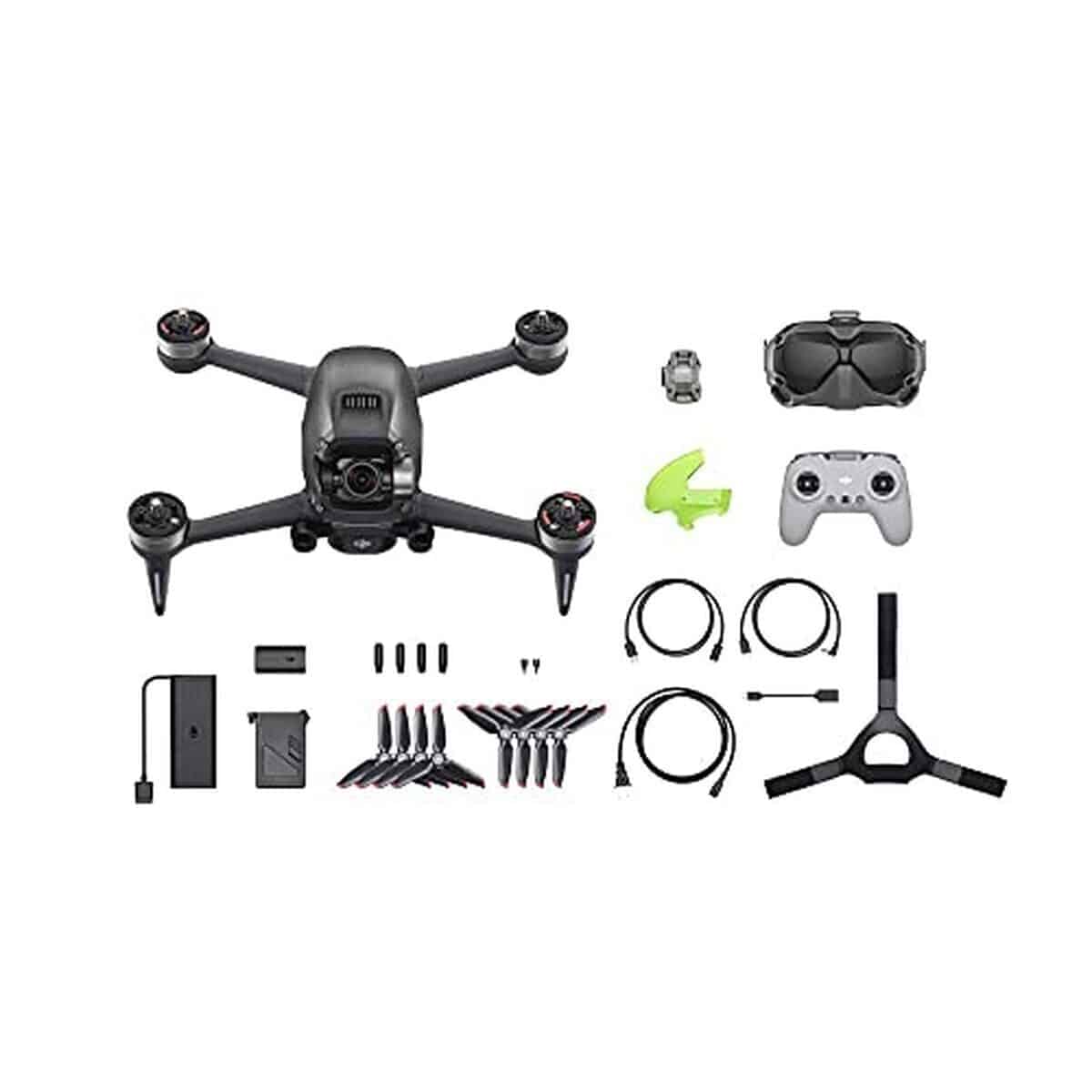
For pilots who want to dip into FPV without immediately building a custom rig, the guide points to the Avata 2 as a solid option. DJI says the Avata 2 is its latest FPV drone, and it is built around Easy ACRO, intuitive motion control, a built-in propeller guard, 4K ultra-wide footage, and a 155° field of view. Those are not race-quadcopter credentials; they are the hallmarks of a controlled, immersive first step into the FPV world.
DJI lists the Avata 2 at approximately 377 g, which places it inside the broader consumer ecosystem rather than the featherweight training-drone bucket. That size, paired with the motion-control setup, is what makes it feel like a bridge drone: more immersive than a traditional GPS camera platform, less intimidating than a fully custom build. The guide’s point is simple but important. If the goal is to feel FPV flight before committing to soldering irons, tuning, and parts shopping, the Avata 2 gets you there fast.
The budget lane is real, and it is not just for throwaway toys
The guide also makes a practical case for the low end of the market. It says flyers working in the $200 to $250 range can still get started, which matters because price is often the first filter for new pilots. DJI’s Mini 4K is the cleanest example of that entry-level logic: it is under 249 g, records 4K/30fps video, captures 12MP stills, supports 10 km video transmission, and offers up to 31 minutes of flight time.
That is not a race drone, and pretending otherwise would be nonsense. It is a compact camera drone for learning the basics, getting stable footage, and understanding how a small aircraft behaves in the air. For racers, the value is indirect but real: every hour spent learning throttle discipline, orientation, and safe flight habits shortens the runway toward true FPV control.
The Neo series is the stepping stone for pilots who want to feel acro without going all-in
One of the smartest calls in the guide is the way it treats the Neo series as a bridge toward acrobatic flight. That positioning matters because it acknowledges a common progression in the hobby. Some pilots want to go straight into fast, technical flying; others need a platform that introduces the feel of FPV without demanding an immediate jump to a purpose-built race quad.
The guide also references the Mini 5, the Air 3S, and the Mavic line as part of the larger consumer menu. That list tells you where each machine sits in the ecosystem: Mini models lean toward accessibility, the Air line broadens capability, and the Mavic family sits closer to the premium camera end of the market. The message underneath all of it is the same: the right drone is the one that fits the job, not the one with the flashiest spec sheet.
Why this guide matters even if you care more about lap times than lifestyle footage
Drone racing lives off a pipeline, and that pipeline usually starts outside the race paddock. A pilot might begin with a camera drone, discover the limits of stabilized flight, move to a simulator, and then graduate to a purpose-built quad. PropWashed’s guide is relevant because it helps define that first step with enough clarity to keep beginners from buying the wrong tool and stalling out before they ever reach a race gate.
That broader ecosystem is already well established. The Drone Racing League was founded in 2015 and launched publicly in January 2016, and MultiGP describes itself as the world’s largest drone racing league and FPV community, with hundreds of chapters and tens of thousands of registered pilots. This is not a niche stuck in the garage anymore. It is a structured sport with a real development ladder, and consumer buying decisions often determine how quickly a pilot climbs it.
Rules, training, and the line between hobby flying and paid work
The guide’s practical value also extends beyond hardware. In the United States, recreational flyers have to pass the FAA’s TRUST safety test and provide proof if asked by law enforcement or FAA personnel. The FAA also distinguishes between recreational operations and commercial flying under 14 CFR Part 107 for small unmanned aircraft under 55 pounds. That distinction matters because early habits shape progression, and the environments where a pilot can legally train affect how quickly skills develop.
For FPV newcomers, that means the drone choice and the rulebook are linked. A beginner-friendly platform can make the first flights smoother, but it cannot replace safe operating knowledge or the discipline required to fly within the correct category. The faster a pilot understands that, the faster the move from casual flying to serious skill-building.
The simulator side is no longer optional in modern racing
MultiGP’s 2026 eSport season uses VelociDrone as its official simulator, and that tells you where the sport is heading. Simulation is not a side quest anymore; it is part of the training stack. Pilots can rehearse lines, build reflexes, and learn race pace before ever risking a real frame, battery, or prop.
That is why PropWashed’s guide matters in a racing context even though it is not a race recap. It maps the consumer side of the sport with enough precision to show how pilots enter the ecosystem, where they can learn safely, and when they are ready to move from a compact FPV-friendly drone to a true race platform. The best buying guide does more than sell gear. It tells the next generation of racers where the starting line actually is.
Know something we missed? Have a correction or additional information?
Submit a Tip