Slow and steady wins Wild Drones military race in Ukraine
A Ukrainian sergeant needed about 11 minutes to finish a five-minute course, and patience beat speed to win Wild Drones in Truskavets.

The fastest drone did not win in Truskavets. Sgt. Zakhar Korol of the 47th Separate Mechanized Brigade Magura took about 11 minutes to finish a course built for a five-minute sprint, and that slow, careful run carried him to the top of the latest Wild Drones military flying competition.
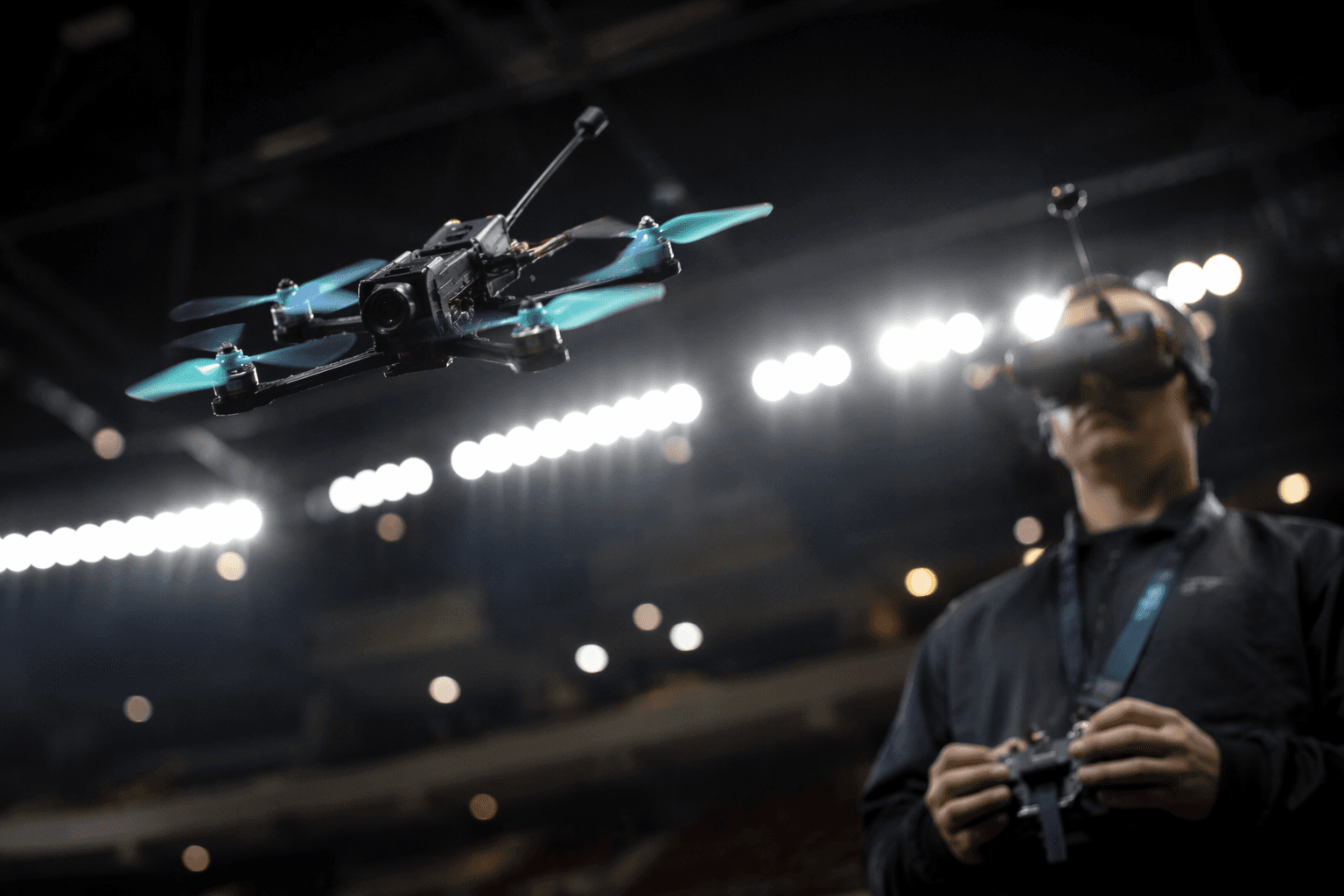
That result mattered because the fourth edition of Wild Drones was no small showcase. It brought together 19 teams from Ukrainian brigades and the National Guard, plus four operator training centers in a separate category, with pilots flying Vampire heavy bomber drones, Shrike FPV drones and DJI Mavics over fields outside Truskavets in the Lviv region.
The race rewarded something most FPV pilots are taught to avoid only when the course lets them: restraint. Faster competitors crashed or collided while Korol kept his line clean and his aircraft alive long enough to finish. In a setting built around aerial targets and frontline-style tasks, that was the better racecraft. The lesson is blunt: on a course where contact can end the run, the pilot who protects the drone often beats the pilot who attacks every gate at full tilt.
The standings backed that up. Censor.NET reported that the 47th Separate Mechanized Brigade Magura won the best FPV drone crew category, the 71st Separate Jaeger Brigade finished second, and the 4th Separate Heavy Mechanized Brigade was third. The 71st’s pilot with the call sign Monk was identified as the fastest pilot at Wild Drones Truskavets 2026, a reminder that raw pace still matters even when it is not enough by itself. The prizes were practical too: the winner received three Vampire systems, second place got two, and third place got one.

SkyFall served as the general partner and supplied Shrike and Vampire drones to all participants, while the organizers included the 93rd Separate Mechanized Brigade Kholodnyi Yar, the Wild Race NGO, the DOVZHYK training center and CAS, Creative Agro Service LLC. Reuters said the event also drew front-line drone manufacturers, turning the competition into a live feedback loop between soldiers and industry.
That is where Wild Drones becomes more than a novelty. Ukraine now uses a points system for verified drone kills, and units can spend those points through DOT-Chain and Brave1 Market, so military FPV competition is feeding directly into the equipment pipeline. The event, which Reuters said also featured a barbecue and networking party with some participants bringing wives and families, has become part test track, part procurement lab and part morale reset. For pilots, the Truskavets result is the clearest possible takeaway: sometimes the winning line is the one that stays calm.
This article was produced by Prism’s automated news system from verified source data, official records, and press releases, then run through automated quality and moderation checks before publishing. The system is built and supervised by the people who set the standards it runs under. Read our full AI policy.
Did this article answer your question?