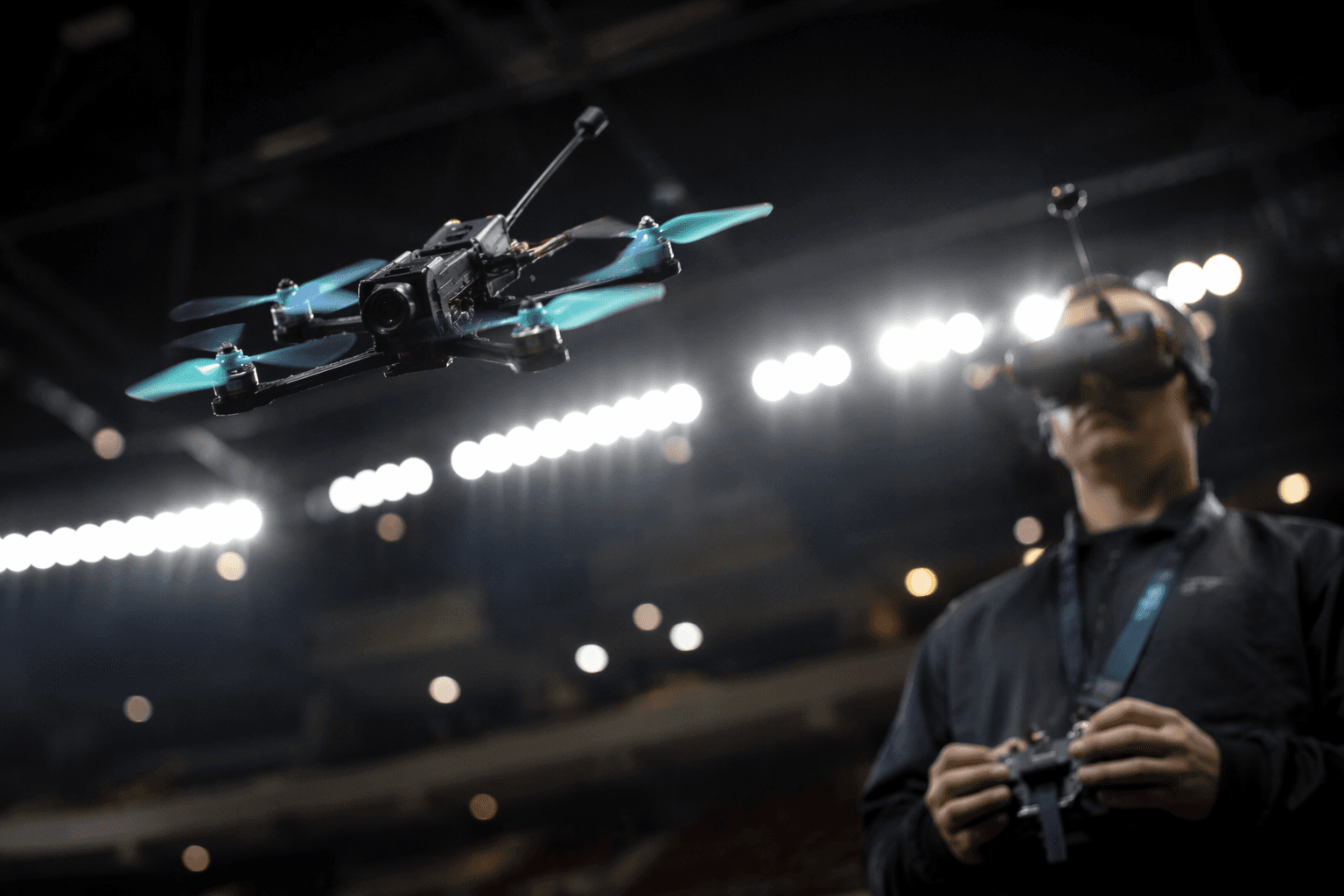
Swedish Drone Cup RD3 lands in Gothenburg at historic Lexbydal field
Gothenburg’s RD3 turned Lexbydal into a race of precision, where double-letter mains and tight RF rules made qualifying position everything.

At Lexbydals modellflygfält, Swedish Drone Cup RD3 was shaped as much by the format as by the gates. The double-letter mains with bump-up system put a premium on clean qualifying, quick recoveries and steady lap pacing, turning every round into a fight for track position before the finals even began.
That mattered in Gothenburg because the rules were unusually strict. Swedish Drone Cup, the Swedish Model Air Sports Federation’s cup competition for drone racing, also serves as the series that selects Sweden’s national team, and its official channel set out a tightly controlled race environment: a valid license was required, a 500-kronor protest fee applied, batteries up to 6 cells were allowed, and only TBS Unify, ImmersionRC Tramp, Foxeer Reaper and HDZero video transmitters were permitted at 25 mW. Pilots who build for efficiency and consistency had the edge; racers dependent on aggressive power setups or looser equipment choices were forced to adapt.
The schedule was compact and race-focused. Check-in opened at 09:00, the pilot meeting and track walk followed at 09:30, and the first start was set for 10:00. Lunch was planned around noon, finals around 14:00, and a winner was expected by 17:00. The club also reminded pilots that no flying was allowed before 10:00 or after 20:00, a reminder that outdoor FPV racing at a shared field depends on discipline as much as speed.
AKMG, short for Aeroklubben Modell i Göteborg, hosted the round and welcomed pilots to its Lexbydal field, one of the club’s three flying sites along with Torslanda klubbhus and Kode flygfält. The club says its roots go back to 1921, and that history showed in the way the day was organized: a dedicated FPV race on Saturday, May 30, at a field built for model flying rather than improvised for the occasion.
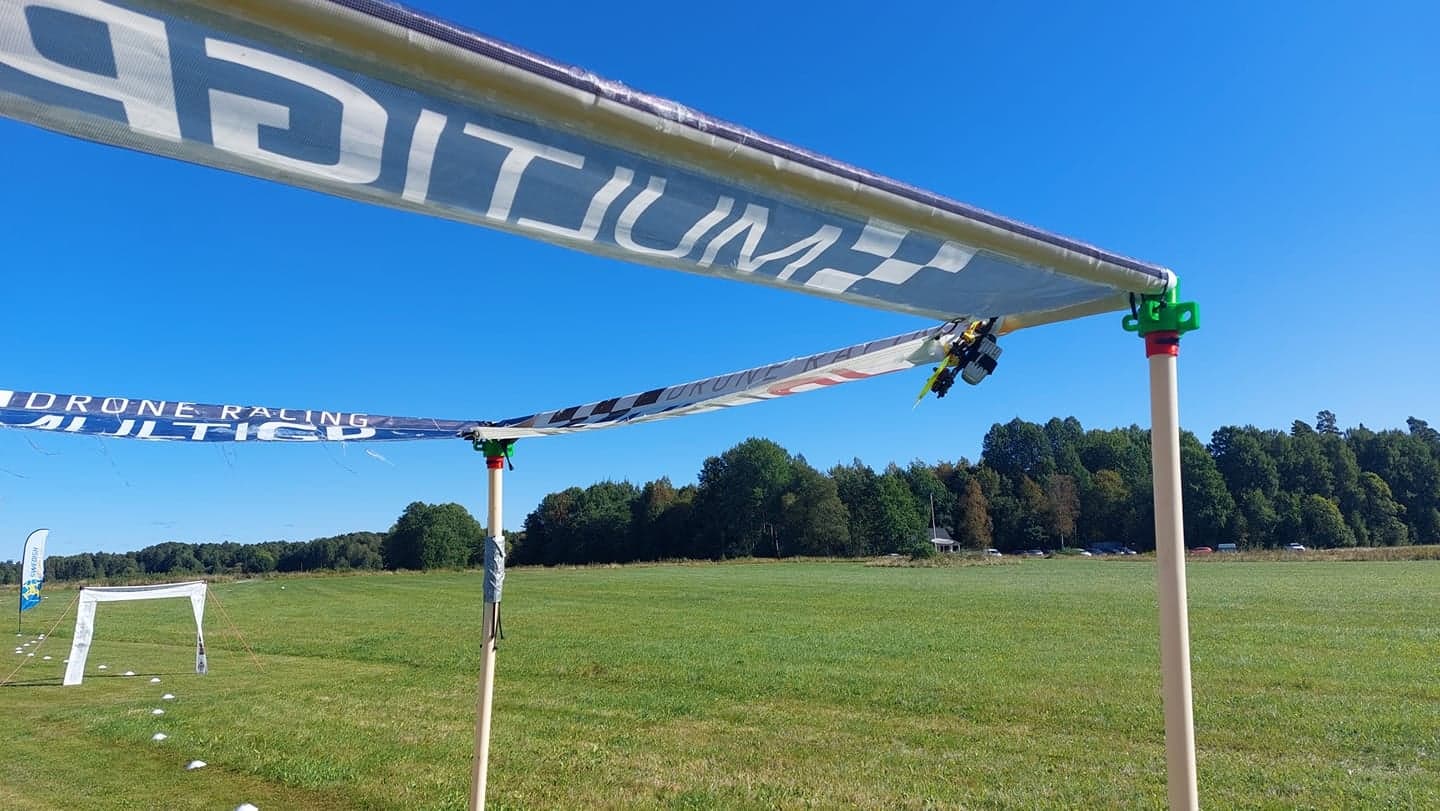
The venue also exposed the practical side of modern domestic FPV racing. There was no electricity on site, so every team had to arrive self-sufficient with battery management, pit power and enough planning to last the day. Food was sold on site, including hamburgers, and parking had to stay in designated areas rather than beside the field. That kind of structure helps explain why Swedish Drone Cup has become more than a calendar item. With SMFF reporting 133 member associations behind it, the series sits inside a large model-aircraft system, and RD3 in Gothenburg showed how a clear rulebook and a demanding finals format can make domestic drone racing feel sharper, fairer and ready to be copied elsewhere.
This article was produced by Prism’s automated news system from verified source data, official records, and press releases, then run through automated quality and moderation checks before publishing. The system is built and supervised by the people who set the standards it runs under. Read our full AI policy.
Did this article answer your question?