Taiwan builds drone battalions as civil defense FPV training surges
Taiwan's army now has three drone battalions and a fourth planned for Penghu, while Kuma Academy's FPV classes are sold out through August. Civilian racing skills are being pulled into defense.
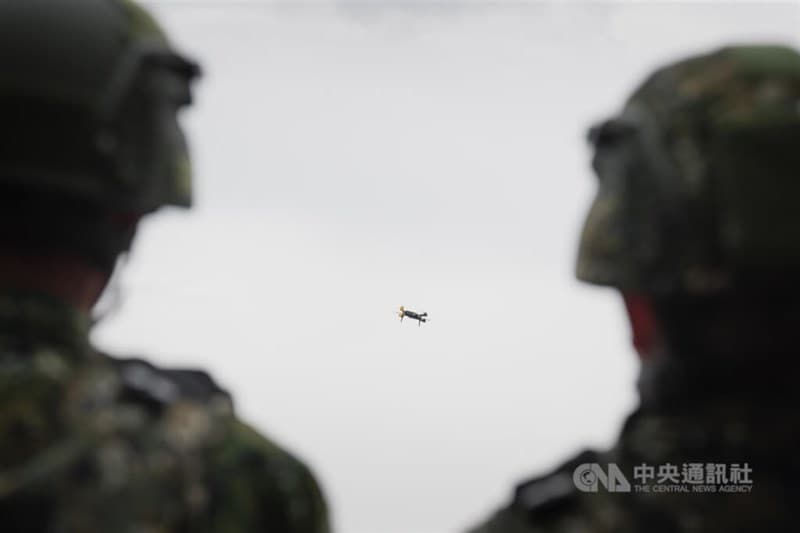
Taiwan's army had already stood up three drone battalions in Northern Taiwan, Southern Taiwan and Central Taiwan by April 2026, and it is still aiming for a fourth in Penghu County. Chen Chun-yi told legislators in October 2025 that the service would place a drone battalion in each of Taiwan's five theaters of operations, a plan that now stretches from the main island to the Penghu Archipelago.
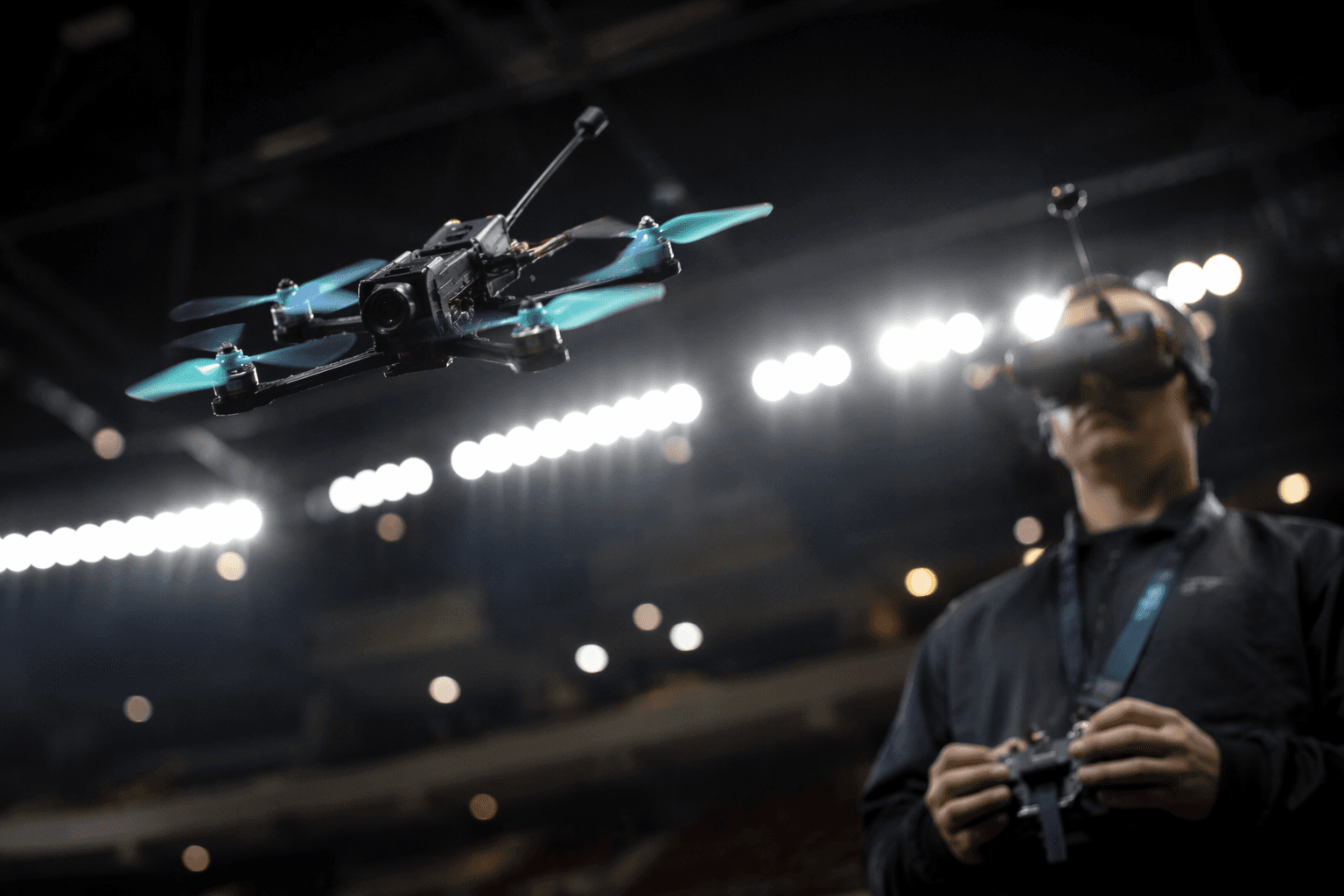
The buildout moved beyond paper in late April, when military drone units spent two days in training and evaluation on April 29 and 30. The drills focused on first-person view and bomb-dropping drones, and the army plans to fold drone attack-and-defense operations into combat exercises. In single-drone operation drills, pilots wore VR goggles and flew with real-time video transmission, relying on quick orientation, clean stick control and the ability to fly without depending on software to keep the drone pointed in the right direction.

Kuma Academy launched Taiwan's first civil defense drone training program in May 2026 and had sold out classes through August by mid-June. The program is running at about 75 people a month in groups of around two dozen, with more than half of recent participants women and attendees ranging from teenagers to retirees. The academy stripped autonomous functions from the training drones because electronic warfare can jam the consumer-drone features that make casual flying easy.

Taiwan's executive branch proposed a US$6.6 billion budget for more than 200,000 domestically made unmanned systems, including up to 208,200 one-way attack drones, 1,446 reconnaissance drones and 1,320 unmanned surface vessels.
This article was produced by Prism’s automated news system from verified source data, official records, and press releases, then run through automated quality and moderation checks before publishing. The system is built and supervised by the people who set the standards it runs under. Read our full AI policy.
Did this article answer your question?