Tec Toluca students shine in autonomous mechatronics with FPV drones
Tec Toluca’s 4NT15 grabbed first place and two fourths at the Autonomous Mechatronics Grand Prix, showing FPV racing is reshaping campus engineering competition.

Tec campus Toluca’s 4NT15 left the Autonomous Mechatronics Grand Prix with a first-place finish and two fourth-place results, the kind of sweep that says as much about equipment adaptation as it does about raw talent. Held at Tec Ciudad de México, the event showed how fast FPV racing is moving from a niche side category into a serious test of pilot skill, setup knowledge and systems integration.
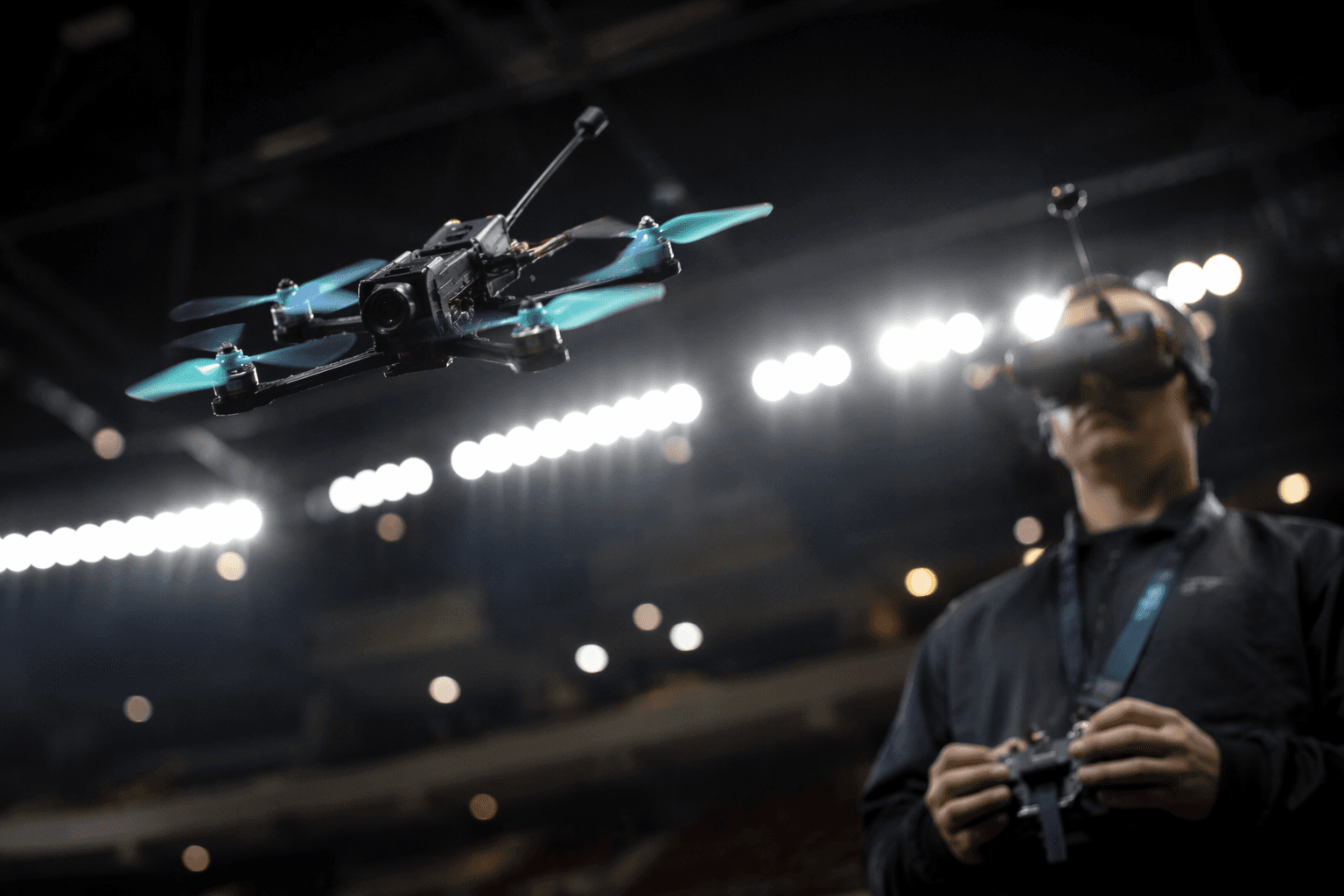
The FPV drone category was the lure for Tec Toluca in the first place, and it proved to be the decisive arena. FPV flying puts the pilot inside the machine through goggles that carry a live camera feed, and the competition’s three branches, cinematic, freestyle and racing, demand different instincts even before the first throttle input. For 4NT15, that meant competing in a format where reaction time, image clarity and tuning choices mattered as much as classroom theory.
Leobardo de Jesús Carbajal said the team was always looking for new challenges and chances to test its abilities, learn something new and represent the institution well, and his own run underscored the point. A week before the event, Carbajal’s personal training drone was damaged, forcing him to switch to institutional drones with different motor power, flight-controller sensitivity and image quality. Months of practice gave the team enough calibration discipline to adjust quickly, and Carbajal still helped deliver the first-place result.
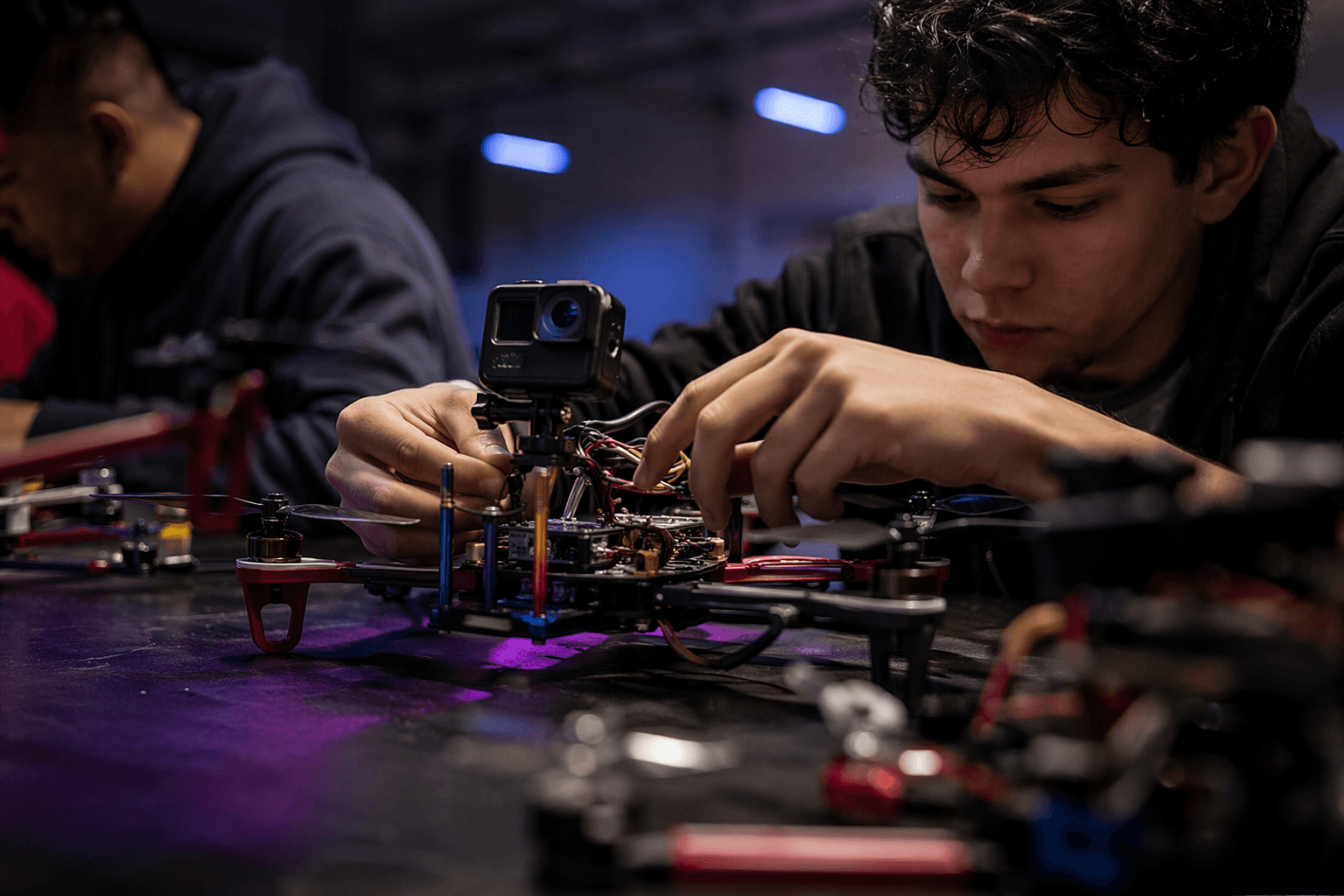
The rest of the scoreboard showed that Tec Toluca’s strength was not confined to one lane. Alonso Collado finished fourth in the simulator FPV category, while Demian Brito took fourth in Tiny Whoop, giving the team podium-adjacent results across both digital and micro-drone formats. That spread matters because it suggests a program building depth, not just a single standout pilot. The same instincts that help in autonomous mechatronics, sensor reading, rapid decision-making, hardware troubleshooting, translated directly into drone-racing performance.
The Grand Prix has been building toward this crossover for years. It began as a regional strategy more than two years before the 2023 Toluca edition, when the event drew 180 students from multiple Tec campuses and featured six categories, including autonomous and piloted drone events. By 2024, the Cuernavaca edition had grown into the fifth edition, with 120 students and 26 professors from six Tec campuses plus outside institutions. In 2025, Tec Aguascalientes hosted more than 70 students from six campuses in six categories, reinforcing the idea that the series is expanding both in reach and in technical ambition.

Wendy Gutiérrez’s June 12, 2026 report captured a broader shift: FPV is no longer just a racing add-on. For programs like Tec Toluca, it is becoming a proving ground where engineering training, racecraft and equipment management collide in real time.
This article was produced by Prism’s automated news system from verified source data, official records, and press releases, then run through automated quality and moderation checks before publishing. The system is built and supervised by the people who set the standards it runs under. Read our full AI policy.
Did this article answer your question?