There is no usable story content in the provided notes. Please supply actual research notes or article details so an accurate, informative headline can be written.
FPV drones hit a Russian Africa Corps base in Mali's Kidal region on March 30, the seventh rebel strike of the month — and the clearest signal yet that race-ready hardware is now a policy liability.
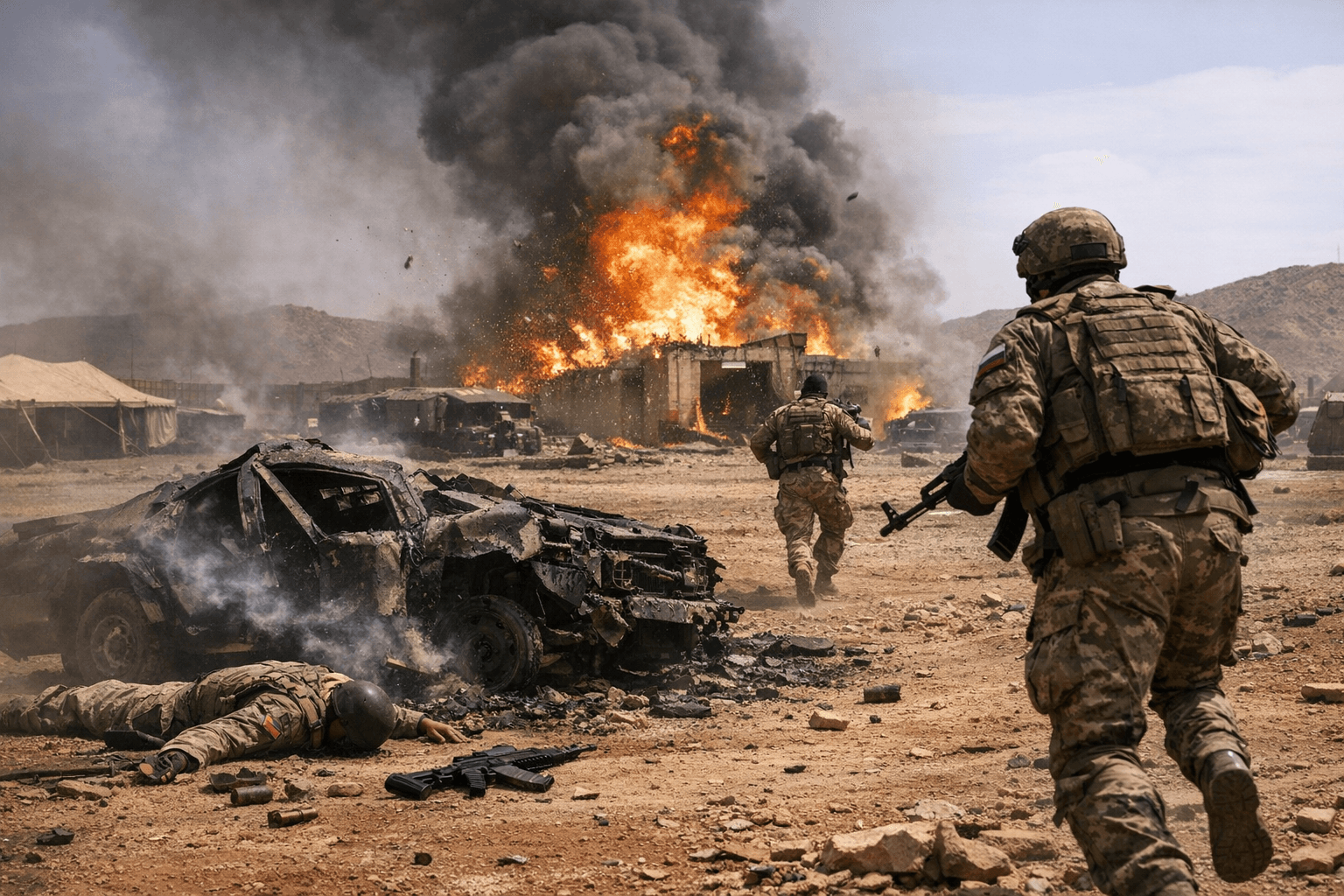
Azawad rebel forces carried out a drone and missile strike on a military compound in Anéfis, in Mali's Kidal region, on March 30, targeting positions used by the Malian Armed Forces and Russian personnel from Africa Corps. The footage circulated immediately: an FPV camera feed, a target locked, a warhead impact on a military structure, and then the particular kind of secondary explosion that tells you the ordnance storage went with it. For anyone in the drone racing ecosystem, the circuitry that produced that footage is recognizable. The same components are in race pits right now.
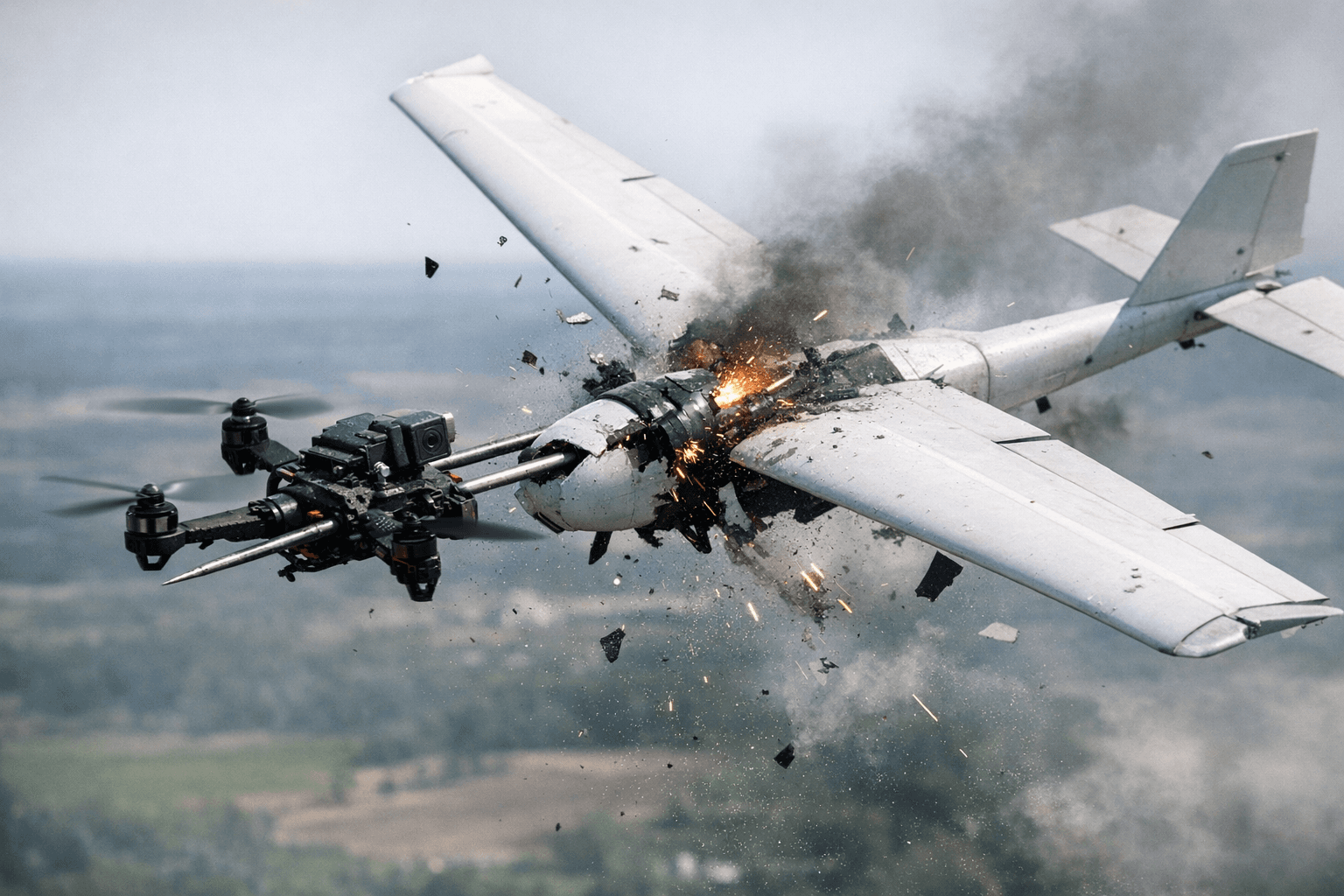
The Front de libération de l'Azawad described the strike as its seventh announced operation in March 2026, suggesting a sustained campaign rather than an isolated action. The location was operationally deliberate: Anéfis sits on a key route between Kidal and other northern positions, making it a staging area for troop movements and logistics. Russia's Africa Corps has been operating armored vehicles and helicopters in Mali as part of Moscow's formalized expeditionary presence following the replacement of Wagner-linked assets, including BMP-3 infantry fighting vehicles and Mi-8 helicopters. Alongside FPV drones, the rebels employed artillery; the camp suffered significant damage. Footage broadcast from the FPV drone showed it crashing into its selected target, penetrating the camp without resistance, and the drone reportedly carried a possible PG-7V-pattern HEAT round.
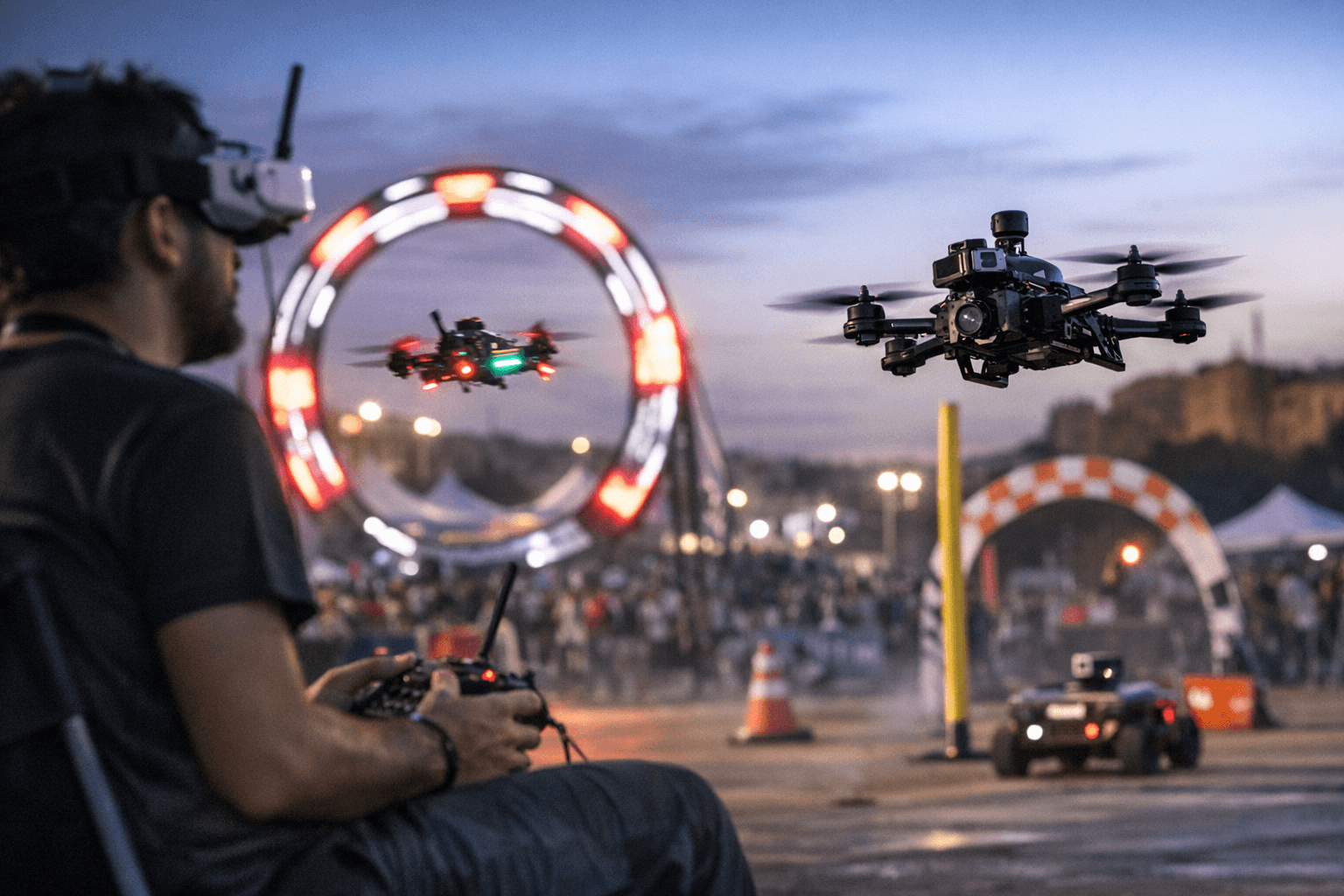
The global pattern is clear and accelerating. Ukraine normalized the concept of a low-cost quadcopter as precision close air support. Now that template has migrated to the Sahel, where a separatist force with limited logistical reach is executing coordinated strikes against a Russian expeditionary formation. The hardware that made the Anéfis strike possible draws from the exact same supply chain that feeds drone racing: the video transmitter stack, the control link, the frame geometry optimized for speed and crash resistance. Regulators are not making a fine distinction between race quads and combat drones. The FCC has already moved.
The FCC fact sheet released January 7, 2026, created two primary exemptions from the December 22 ban that added all foreign-made drones and components to the Covered List. The FCC issued a one-year exemption valid through January 1, 2027, removing all Blue UAS and qualified domestic end products from the Covered List while establishing a conditional waiver process for other non-U.S. drones. By March, the FCC had formally exempted four additional systems after Pentagon-led reviews determined they did not pose unacceptable national security risks — but those early carveouts were tied to systems vetted under government-backed programs or meeting Buy American standards. None of those exemptions helped DJI or Autel. Both companies remain on the Covered List, and the component ban means any drone containing their technology falls under restrictions regardless of branding.
FPV expert Joshua Bardwell assessed the situation bluntly after the original December announcement. When the FCC dropped its sweeping foreign drone ban, practically everyone in the industry said the same thing: "A literal reading of this announcement can't possibly be true, and it also can't be legal." Bardwell subsequently identified what he called "one of the biggest and most meaningful loopholes in the new definition that could be used to keep the FPV hobby in the United States going as much as it was threatened by this decision." The loophole involves how specialty retailers structure their imports, but it is not guaranteed permanence. His longer-run assessment on hobbyist component builds was qualified: "As far as hobbyists building FPV drones out of standalone components, I think that is unlikely to be affected for the foreseeable future, unless this administration is way more aggressive than you would think." That conditional clause is doing a lot of work in that sentence. Each new battlefield FPV clip raises the probability of a more aggressive posture.
So which parts of the race stack are sitting in the most exposed position right now? Work through the build from the video chain back.
Digital video systems built on DJI hardware are the most immediately vulnerable. GetFPV, RaceDayQuads, and other specialty shops that supply the American FPV community source their inventory from overseas manufacturers. If those importation channels get blocked, hobbyists won't be buying direct from China — they'll be buying from diminishing domestic inventory or paying premium prices for the few domestically manufactured alternatives. Walksnail and HDZero are not currently on the Covered List, but both run Chinese-origin supply chains that sit under ongoing regulatory scrutiny. A tightened component-level definition would capture video transmitters from either vendor without any new legislative action required.
ELRS is the control-link category that the racing community has not fully reckoned with. ExpressLRS is open-source, which matters for the protocol itself, but the physical hardware is not. Radiomaster, Betafpv, and virtually every manufacturer producing ELRS-compatible receivers and transmitters at meaningful scale operates in China. The FCC already governs 2.4 GHz and 900 MHz radio-frequency equipment under separate authority. Any push to extend the Covered List's component scope to include UAS-associated RF hardware specifically would move faster against ELRS receivers than against frames or motors, because the jurisdictional path is shorter. Frequency enforcement at events is already where local inspectors have the clearest existing authority, and clubs running 20 video transmitters simultaneously in the 5.8 GHz band are precisely the kind of operation that draws scrutiny after a high-profile incident.
Frames and motors are the most fungible components, but not immune. Domestic carbon fiber manufacturing exists; it costs more and lead times are longer. The motor situation is more constrained. T-Motor, Emax, and the other high-volume brushless motor producers that populate race builds are Chinese-manufactured. A full component-level enforcement action would produce price shocks and supply gaps that compress build cycles ahead of season.
The clubs and pilots who will navigate this best are the ones building a documentation record now, not after the next regulation drops. Event permits with explicit safety perimeters, remote ID compliance across the field, frequency coordination filed with local authorities before running multi-pilot video setups, and written safety protocols on file with organizing bodies are not bureaucratic overhead. They are the evidence that distinguishes a legitimate sport from an unregulated technology free-for-all when a senator's staff is pulling together background for a hearing.
The FCC's decision to add all foreign drones and critical components to the Covered List surprised most industry stakeholders, and many remain skeptical that the security risks of drones from non-adversarial nations are on par with other technology on the Covered List. That skepticism is reasonable, but it does not change the trajectory. The Anéfis strike was carried on an FPV camera. That footage exists, it is widely distributed, and it will be in the next policy briefing that connects commercial drone hardware to battlefield application. Race pilots did not build that connection, but they will be asked to explain why the technology that did should remain freely importable and event-permitted without oversight. The clubs that have already answered that question, on paper, with standards and documentation, are the ones that will keep flying.
Know something we missed? Have a correction or additional information?
Submit a Tip