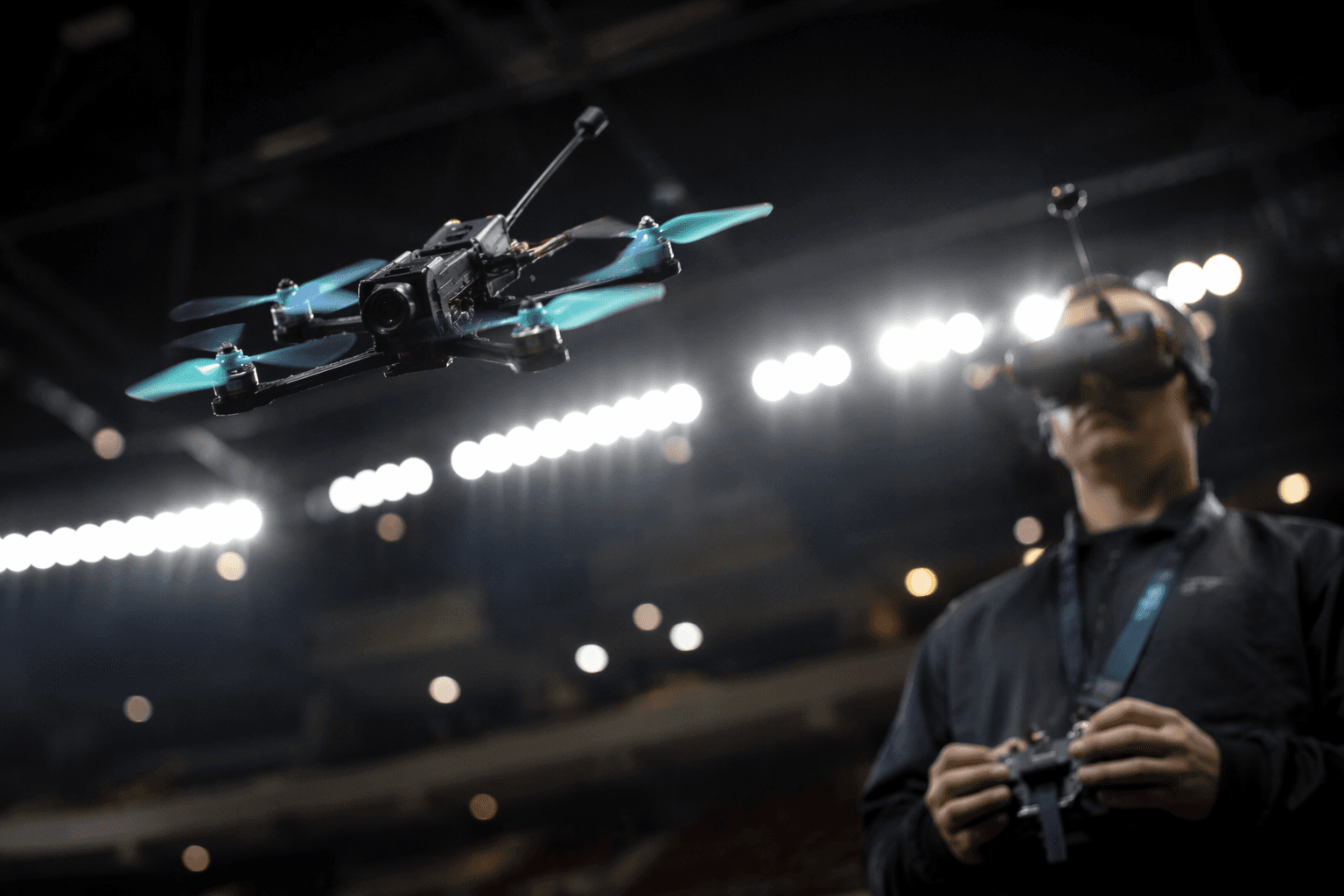
Ukraine drone racing gives soldiers a brief, vital front-line reset
At Wild Drones, Ukraine’s front-line pilots trade shelling for gates, barbecues, and hardware talk, turning race day into a rare reset and live test bench.
A race that does more than crown a winner
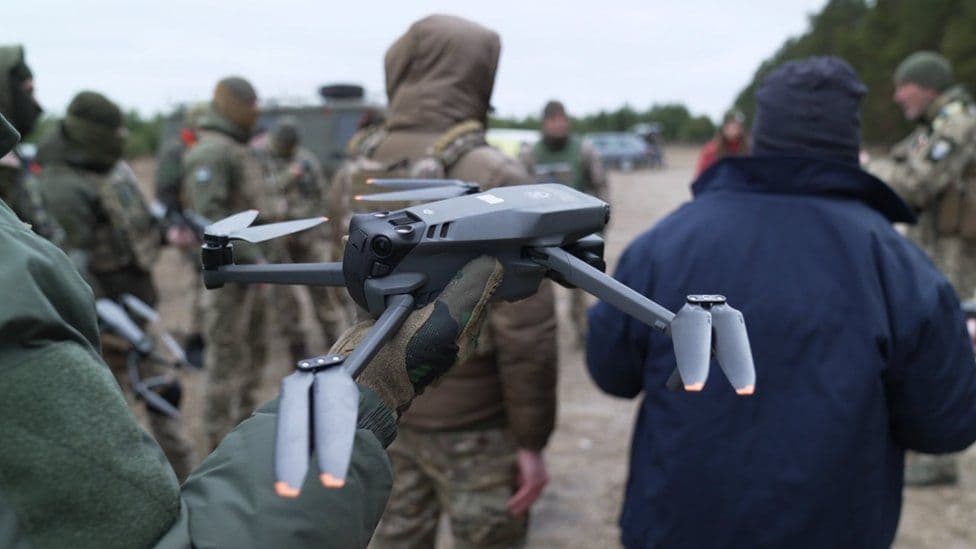
Wild Drones is not a sideshow to Ukraine’s war effort. It is one of the few places where the people flying combat drones can step out of the kill chain, line up beside rivals, and spend a day measuring skill in laps instead of losses.
The competition outside Truskavets, in the Lviv region, brought together pilots from 19 of Ukraine’s best units along with drone manufacturers used on the front line. That mix is the whole point. In a country where drones have become central to combat, race day is not an escape from the war so much as a brief, rules-bound pocket of normal life, where operators can breathe, talk shop, and remember they are still athletes as well as soldiers.
What the weekend actually looks like
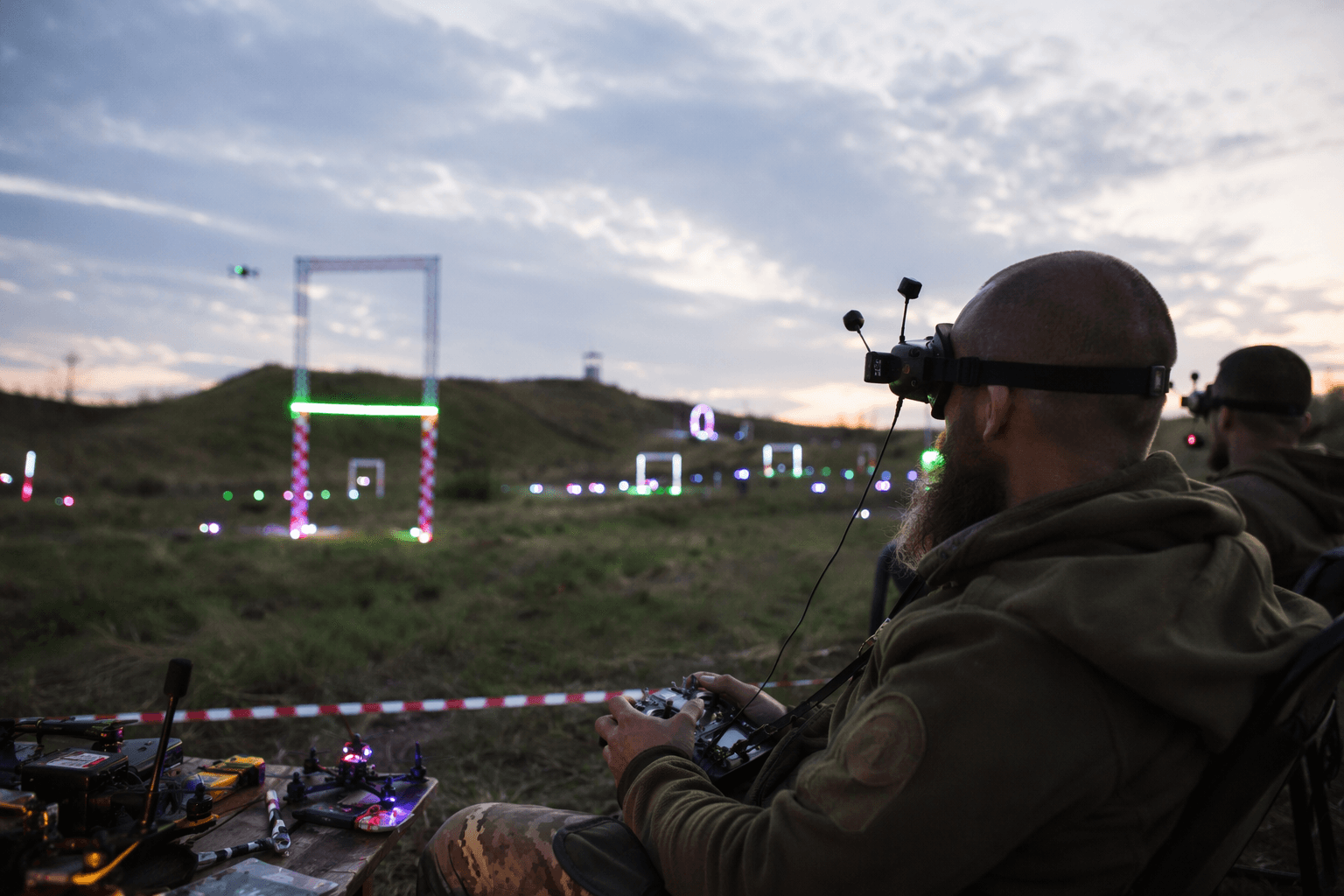
The atmosphere is relaxed in a way that feels almost defiant. Reuters described barbecue smoke, a networking party, and families on hand, which matters because it changes the tone from pure military drill to something more human and communal. Soldiers who spend their days in a drone-saturated battlefield are suddenly standing around food, comparing builds, and watching clean runs through gates.
Grey, a sergeant major from the Black Raven drone battalion of the 93rd Mechanized Brigade, framed the gathering in practical terms. For him, the value was communication, learning from one another, and seeing what new products manufacturers had brought. That is the quiet sports story inside the louder war story: the race is a social reset, but it is also a live exchange of knowledge between the people who fly and the people who build.
The event also has real bragging rights attached. When pilots from 19 elite units show up, they are not just chasing a finish order. They are testing who has the steadier hands, the cleaner line through the course, and the better machine over a full lap. In drone racing, that is where reputation gets made, and in Ukraine right now, reputation carries over from the track to the front.
Why the hardware matters as much as the pilot
This is not hobby racing in the old sense. The aircraft on these courses come out of a war economy where FPV drones, once hobbyist racing quadcopters, have been retrofitted with explosives and used widely across the battlefield. That background gives the competition extra edge: a smooth lap is not only a sporting result, it is evidence that a drone, a build, or a pilot technique can survive pressure.
Ukraine’s battlefield has pushed drone skill into a strange hybrid role. Analysts and broadcasters describe the front as a narrow, drone-dominated kill zone, with drones estimated to cause about 80% of combat casualties on both sides. In that environment, the gap between race craft and combat craft is smaller than it looks. The difference is not whether a pilot understands FPV flight. The difference is whether the machine is built for speed around gates or endurance under fire.
That is why the presence of manufacturers at Wild Drones matters so much. The event is a test bench in public. Operators can compare notes on new parts and designs, and builders can hear directly from the people who use the gear under battlefield conditions. In a war that punishes weak hardware instantly, that feedback loop is not a perk. It is an advantage.
From a weekend meet to a military culture
Wild Drones began two years earlier, in 2024, after the full-scale invasion had already made drone warfare one of the defining features of the conflict. That timing explains why the event feels less like a novelty and more like a new ritual. A generation of operators is forming its own culture around flying, fixing, and competing, with combat experience, hardware knowledge, and racing skill all blending into one identity.
That identity is increasingly formalized. Ukraine introduced a points system for verified drone kills in 2025, and units can spend those points on equipment through the military’s DOT-Chain and Brave1 Market platforms, a setup often nicknamed “Amazon for war.” The message is hard to miss: drone performance is now being measured, rewarded, and converted into procurement power. Racing lives in the same ecosystem, because speed, control, and machine reliability are all part of the same national conversation.
Kyiv region showed where this is headed
The sport is no longer confined to informal military gatherings. On June 22, 2025, the first official regional FPV drone racing championship was held in Kyiv region, and it was described as a new direction in Ukraine’s non-Olympic military-technological sports. The event drew more than 70 pilots, including military personnel, engineers, drone operators, veterans, athletes, and young enthusiasts.
That championship was organized by the Ukrainian Federation of Military-Technological Sports and attended by the Kyiv Regional Military Administration, along with the Ministry of Youth and Sports of Ukraine. It showed how quickly FPV racing is moving beyond the front line into an institutional space, where military service, sport, and technical training overlap. Mykola Kalashnyk and Vitalii Lavrov were among the names attached to that institutional push, which is another sign that this is becoming part of official Ukraine, not just a side project of the drone war.
The bigger numbers behind the race
The scale of Ukraine’s drone sector explains why these events carry such weight. Recent reporting puts the country at around 500 domestic drone manufacturers, with a goal of producing 4 million drones a year. FPV output reportedly climbed from about 20,000 a month in 2024 to 200,000 a month in 2025, a jump that shows how quickly the industrial base has been forced to mature.
That production surge has changed the meaning of drone racing. It is no longer only a sport, and it is not merely training in disguise. It is a meeting ground where front-line experience, private-sector innovation, and a growing military-technological culture all collide. For the soldiers at Truskavets, it offered a rare reset. For Ukraine, it showed how a race weekend can double as a window into the future of its drone force.
This article was produced by Prism’s automated news system from verified source data, official records, and press releases, then run through automated quality and moderation checks before publishing. The system is built and supervised by the people who set the standards it runs under. Read our full AI policy.
Did this article answer your question?