Ukraine’s drone racers turn Counter-Strike reflexes into battlefield skills
Young gamers in western Ukraine raced FPV drones while soldiers scanned the field for recruits with Counter-Strike reflexes and battlefield-ready instincts.

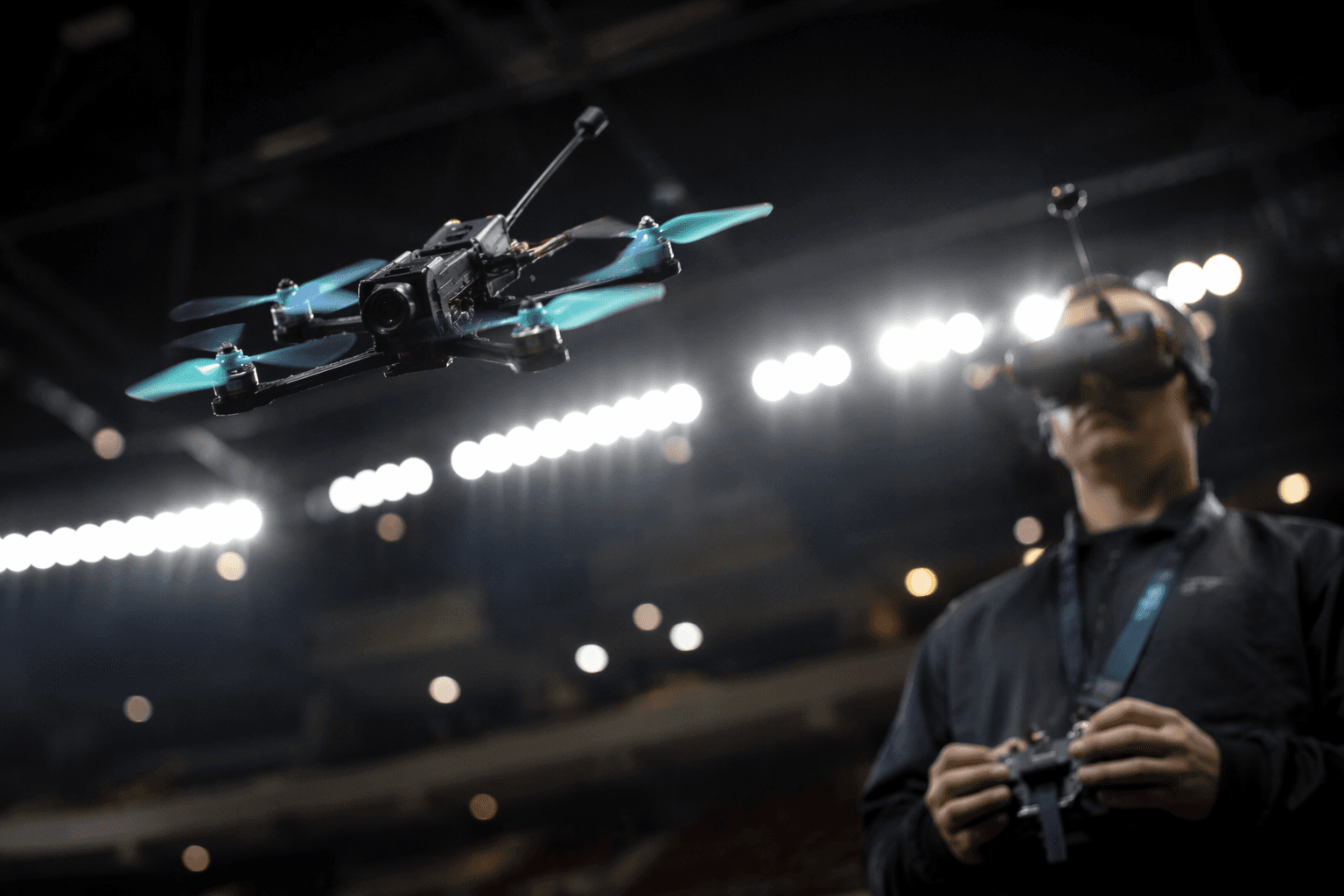
Western Ukraine’s drone-racing scene is no longer just about speed. It has become a recruiting ground, with soldiers and organizers watching young gamers turn the reflexes they built in Counter-Strike into the muscle memory of FPV combat flying.
The event put that pipeline on display in concrete terms: a competitive drone course, a crowd of young pilots, and military eyes on every clean line through the gates. FPV flying rewards the same quick corrections and split-second reads that matter in first-person shooters, but in Ukraine the payoff is far more serious. The best pilots can be funneled toward real battlefield units, where the same hand-eye coordination helps guide explosive-laden drones into targets.
That urgency explains why the racing scene now sits inside a much larger wartime machine. Ukraine planned to buy about 4.5 million FPV drones in 2025, more than triple the prior year’s procurement, with spending set at the equivalent of more than $2.6 billion. Ukrainian officials said the country bought more than 1.5 million drones in 2024, and 96 percent came from Ukrainian manufacturers and suppliers. FPV drones, controlled from the ground and often crashed into targets while carrying explosives, have become one of the war’s central weapons.

The talent pipeline begins young. At a drone school outside Kyiv in October 2024, cadets practiced flying through loops and repeated crash-recovery drills, training that mirrored the pressure of racing as much as combat. A 15-year-old cadet named Kemal said he wanted to get ready for drone races, while teacher Viktoria said she would teach drone flying to high schoolers as part of a new obligatory class. The line between sport and service was already thinning then, and the western Ukraine race pushed it further.
What happens on these courses matters because the battlefield has made it matter. Ukraine said drones caused 96 percent of Russian casualties in March 2026, when it tallied 35,351 Russian losses for the month, a figure it said was 29 percent higher than in February. In a war shaped by first-person goggles, controller layouts and gamer instincts, the racing circuit is now more than a niche. It is a proving ground for the people Ukraine wants behind the sticks when the next drone launches.
This article was produced by Prism’s automated news system from verified source data, official records, and press releases, then run through automated quality and moderation checks before publishing. The system is built and supervised by the people who set the standards it runs under. Read our full AI policy.
Did this article answer your question?