Ukrainian Drone Maker General Cherry Partners With Wilcox Industries for US Production
Ukraine's General Cherry, producing 70,000 FPV drones monthly, announced a joint venture with Wilcox Industries to manufacture in New Hampshire, targeting a U.S. supply chain alternative.
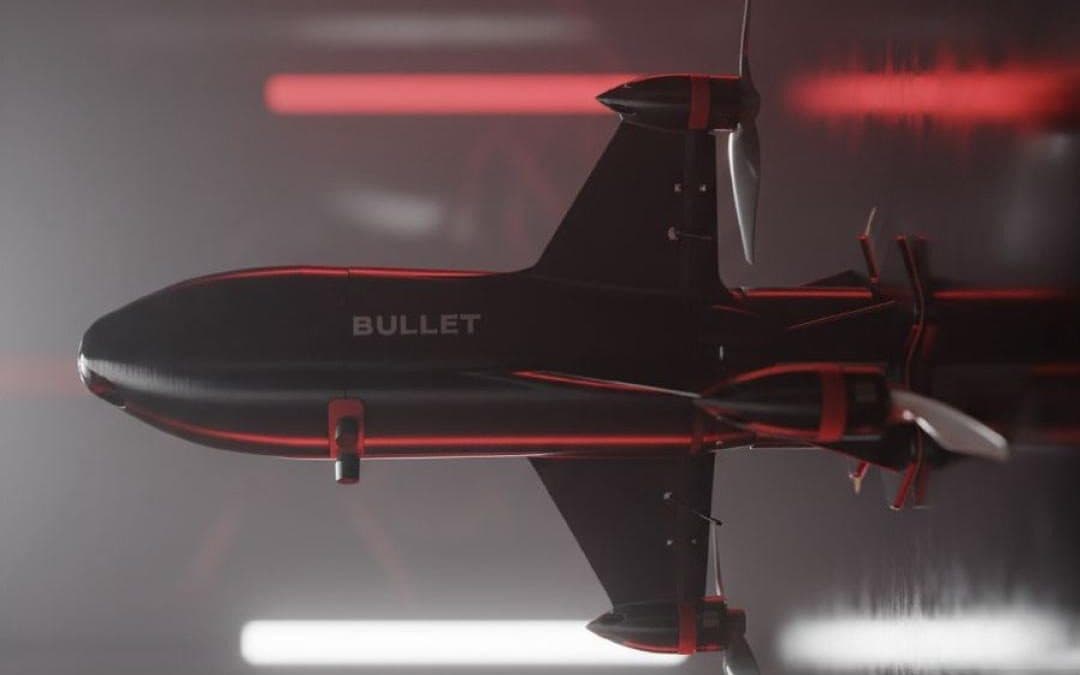
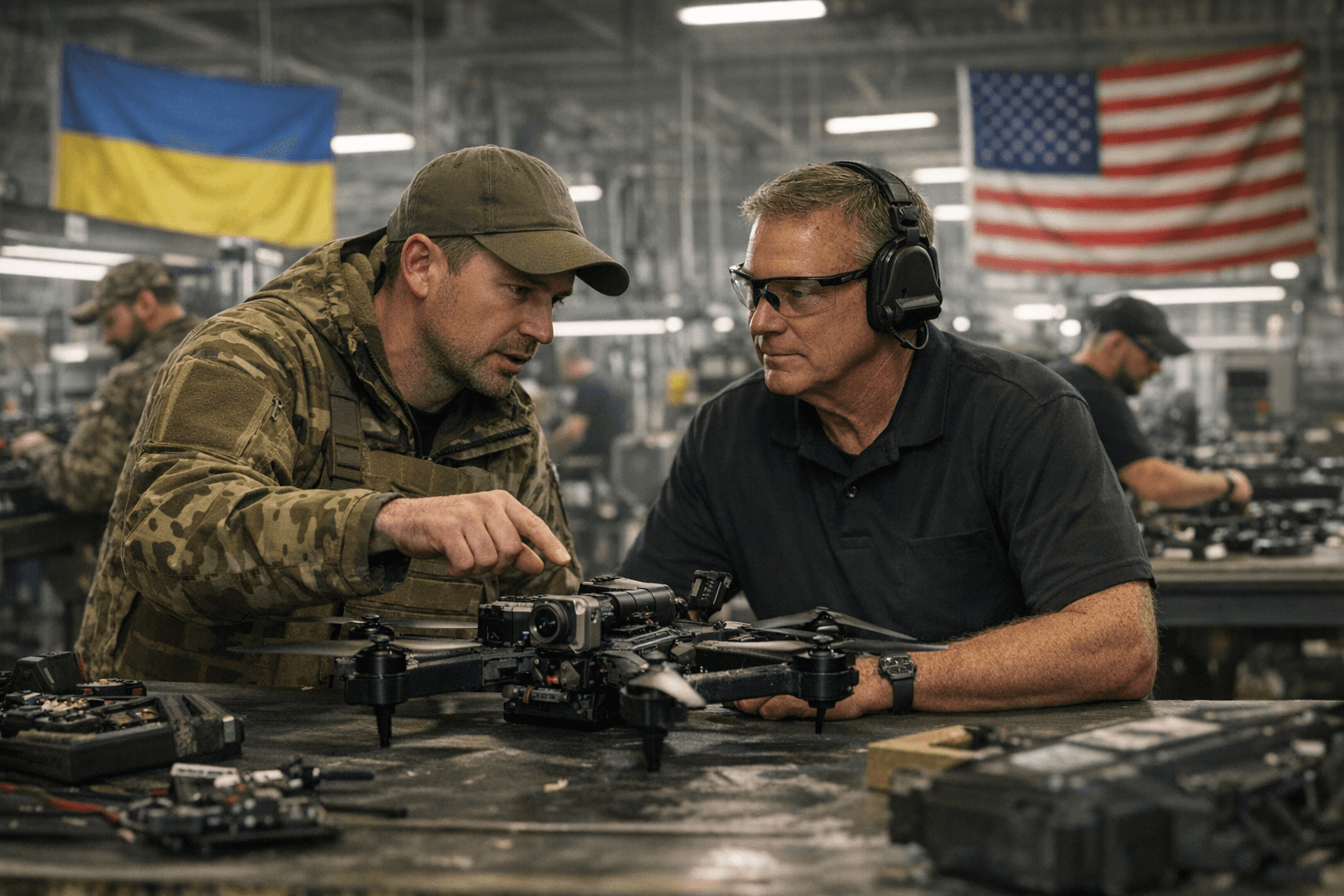
When a Ukrainian company churning out 70,000 FPV drones every month announces U.S. production, the implications reach well past the defense procurement aisle. General Cherry, the Kyiv-founded drone maker whose Bullet and AIR interceptors have accounted for roughly $1 billion in neutralized enemy hardware, announced a joint venture with Wilcox Industries Corp. to produce FPV and interceptor UAVs at Wilcox's facility in Newington, New Hampshire. The deal places one of the war's most prolific drone manufacturers inside an American production line for the first time.
Wilcox Industries, founded in 1982, is a U.S.-based company specializing in high-tech equipment for military and security forces. The Ukrainian engineering team leads development at the New Hampshire site, with a product focus co-founder Yaroslav Hryshyn defined plainly: "We are primarily focusing on interceptor drones as our flagship product." Hryshyn also described the venture's broader scope, saying the two companies have "the unique opportunity to build production together, which will manufacture the newest means of defense and striking." Wilcox CEO James Titzel framed the strategic logic from the American side: "I have no doubt that combining Wilcox's manufacturing capabilities and engineering resources with General Cherry's technologies will bring significant benefits to the U.S."
The project is currently moving into the approval phase. Before the joint venture is registered, the parties must secure support from the head of state and relevant institutions. General Cherry confirmed the process has been coordinated at the highest levels of Ukrainian authority.
For the FPV supply chain, a U.S.-based production node operating at that output level carries direct relevance. Today's race quad draws almost entirely from a Shenzhen-concentrated pipeline: flight controllers, ESCs, motors, and cameras overwhelmingly originate with Chinese manufacturers, many now carrying exposure under National Defense Authorization Act restrictions that complicate procurement for anyone supplying U.S. government buyers. The venture will combine Ukrainian combat-tested experience and engineering with U.S. manufacturing infrastructure and market access, introducing a parallel supply pathway that sidesteps both ITAR friction and the gray-market component sourcing endemic to the sport. General Cherry's product catalog, which includes the OPTIX fiber-optic FPV system developed for high-velocity intercept profiles, has iterated at scale on ESC thermal tolerance and motor winding efficiency under sustained high-current load, precisely the performance regime where racing hardware fails. MIL-SPEC vibration and EMI tolerance requirements enforced in defense production typically exceed what consumer-grade Chinese ESC manufacturing demands, and that quality discipline translates directly into reliability at the discharge rates competitive racing imposes.
The Newington plant would not be the first Western facility built on Ukrainian FPV expertise. The announcement comes as Ukrainian defense companies look to establish production footholds in NATO member states, both to scale manufacturing capacity and to access Western procurement pipelines, with Ukrspecsystems and others already operating in Germany and the United Kingdom. General Cherry, established in 2023, has quickly become one of Ukraine's largest producers of next-generation drones, offering 33 codified products and clearing Phase One selection among 25 manufacturers in the Pentagon's $1.1 billion Drone Dominance Program, focused on scalability, low unit cost, and ease of use for U.S. armed forces. Getting into an American factory is the logical progression for a company at that output level; how fast it reshapes the FPV component landscape depends entirely on how quickly the regulatory clearances move.
Know something we missed? Have a correction or additional information?
Submit a Tip