Yuki Hashimoto wins Ningbo Drone Racing World Cup, Wang Miao second
Hashimoto turned Ningbo’s packed four-day World Cup into another statement win, while Wang Miao’s runner-up finish gave China a home-podium jolt.

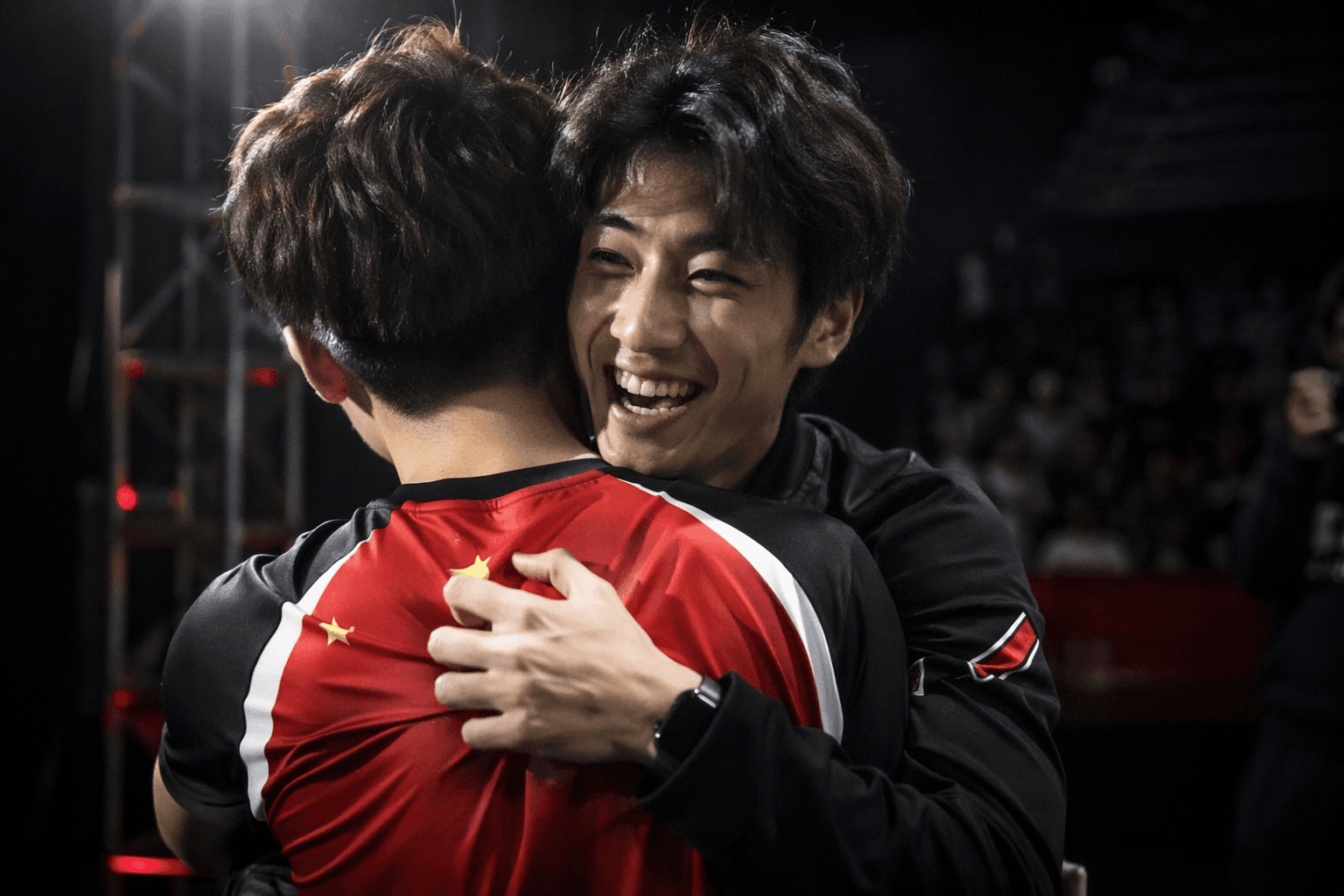
Yuki Hashimoto left Ningbo with the biggest prize, but the louder story may be what Wang Miao did in front of a home crowd. Hashimoto won the open division at the Ningbo Drone Racing World Cup, Wang Miao finished second, and South Korea’s Minjae Kim took third at Ningbo Sports Development Center Stadium, where the pressure never really let up across four dense days of racing.
That matters because Ningbo was not a local exhibition. It was the third stop in a 14-round global series spread across 12 countries and regions, and only the second time the World Cup had been hosted in China after Shanghai in 2025. FAI listed Ningbo as an Open International World Cup F9U event from May 28 to May 31, part of a 2026 calendar that included 15 sanctioned World Cup competitions before one Paris-area event was later cancelled. In a sport where every round can shuffle the leaderboard, Ningbo carried real weight.
The format made the venue part of the story. Pilots arrived and were inspected on May 28, then moved through multiple qualifying rounds, an opening ceremony, more qualifying, and a Sunday that stretched into double-elimination brackets across ten rounds before the finals and closing ceremony. The course looked unforgiving from the first heats: some groups were posting lap times from the high teens to the high twenties, while multiple DNFs showed how quickly one mistake could wreck a run. That is the kind of setup that rewards precision, throttle control, and nerves, not just raw speed.
The event also underscored how tightly controlled World Cup drone racing has become. FAI treats these races as open international individual competitions, not national-team events, and pilots need either an FAI Sporting Licence or an FAI Drone Permission. The Ningbo event page listed the FAI Aeromodelling Commission, China’s Aeronautical Radio Model Sports Management Center, the Aero Sports Federation of China, the Ningbo Municipal Sports Bureau, and Yinzhou District People’s Government among the organizers, with local handling through the Ningbo Yinzhou District Culture, Radio, Television, Tourism and Sports Bureau and the Yinzhou District Transportation Bureau.
Hashimoto’s win fit a resume that already made him one of the sport’s unmistakable names. Born in 2007, he started drone racing at 13 after a school competition in February 2021, won the 2024 FAI World Drone Racing Championship, and had already taken gold at The World Games in Chengdu in August 2025, where Minjae Kim also reached the podium. Ningbo did not change the hierarchy so much as sharpen it: Japan still owns the benchmark at the top, but Wang Miao’s second-place finish showed China is moving closer to turning home-course speed into a real international threat.
This article was produced by Prism’s automated news system from verified source data, official records, and press releases, then run through automated quality and moderation checks before publishing. The system is built and supervised by the people who set the standards it runs under. Read our full AI policy.
Know something we missed? Have a correction or additional information?
Submit a Tip