E-foil beginner guide explains what makes learning easier and safer
Larger volume, smoother throttle and safer control systems shorten the first-session learning curve, while brands now sell confidence more than top speed.
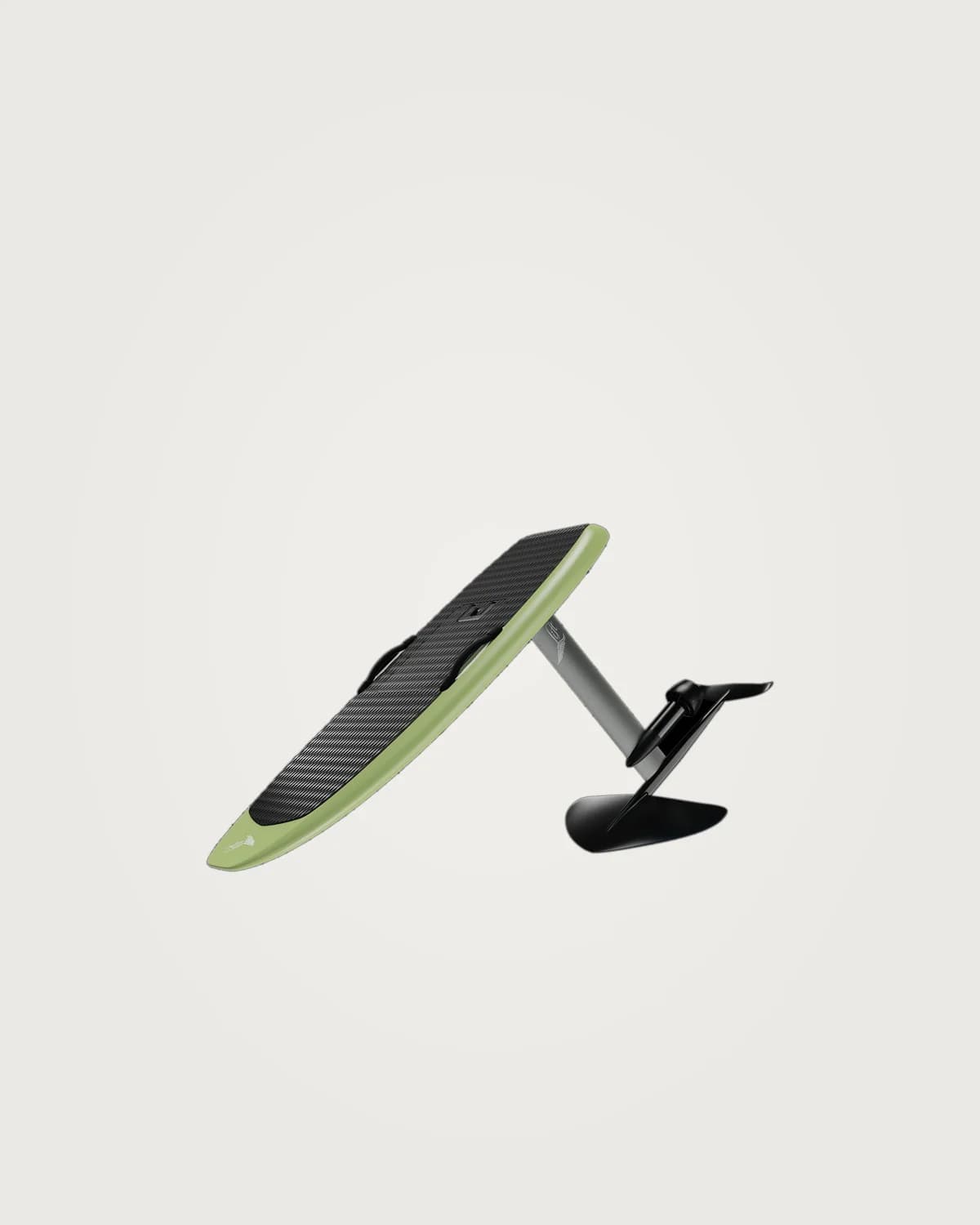
Lift Foils launched the first commercial eFoil in 2018 with the LIFT1, and the market has since shifted toward boards built to keep new riders upright longer, not just go faster. The hidden cost of getting it wrong is simple: more crashes, more fatigue and a longer path to a clean first flight.
What actually makes learning easier
The beginner question is not which board looks fastest, it is which one reduces the number of failed attempts before the rider ever gets comfortable. E-SURFER focuses on what shortens the learning curve, reduces frustration and keeps early sessions safe and repeatable. In practical terms, that comes down to board stability, enough volume to support the rider before lift-off, a forgiving front wing, predictable throttle response and a setup that lets the rider stand up without fighting the board.
Fliteboard calls ICON a Beginner-Intermediate all-rounder and says complete beginners can learn to eFoil in minutes. Every ICON board listed here carries 100 liters of volume, 5'8" length and 28" width, which is the kind of generous platform that buys time during takeoff rather than punishing mistakes.
The numbers that matter before the first ride
The most useful beginner specs are the ones that affect balance before the foil is flying. Volume is the first number to check because it tells you how much support the board gives before lift-off, and width matters because it shapes lateral stability while a rider moves from kneeling to standing. Fliteboard’s ICON Fiberglass board weighs 26.7 pounds, the ICON Soft Top 2 weighs 27.87 pounds and the ICON Carbon weighs 22.93 pounds, all at the same 100L volume and 28-inch width.
That weight difference changes how easy the board is to carry, load and handle on shore, but it does not change the beginner-friendly platform size that matters most in the water. The Carbon model may justify a higher price for riders who value portability, while the Fiberglass and Soft Top versions keep the same 100L foundation without asking the rider to pay for a lighter shell. A lighter board is not automatically the easier board to learn on if the volume and width are the same.
Lift Foils lists the 4'9 Sport at 67L, 22.5 inches wide and with a maximum rider weight of 190 pounds. At 67L and 22.5 inches wide, the 4'9 Sport is a more specialized fit, and Lift Foils caps maximum rider weight at 190 pounds.
Control systems, batteries and setup discipline
Lift Foils' current LIFT5 family uses a forged-carbon board platform, the Lift Connect System for tool-free swaps, a 68mm direct-drive motor with Quiet Ride Technology, the Gen5 Full Range battery and the Elite Hand Controller. Each of those details affects how controlled the session feels: the tool-free swap system cuts setup friction, the controller governs throttle input and the battery system shapes how long the rider can repeat attempts without rushing.
Early progress depends on repetition. A rider learning on inland water or in unfamiliar conditions needs predictable power delivery and enough battery confidence to practice body position, throttle discipline and the move from kneeling to standing without panic corrections. When a board starts porpoising or the foil breaches, the fix is usually calmer inputs and better weight distribution, not more speed.
Lift calls the 5'2 LIFTX a stable, long-glide electric surf foil. That language points toward control and run length rather than aggressive performance claims.
How the market now sells ease of use
The bigger industry trend is that beginner guidance has become a selling point in its own right. Lift Foils and Fliteboard both market beginner-oriented guidance and product selection tools around rider weight and skill level. The decision tree is no longer just about top speed or the sharpest carve; it is about which setup helps a new rider get to first flight faster and with fewer crashes.
A higher-priced board can make sense when it buys a more stable platform, better control feel, safer repetition and less frustration in the first sessions. What should not drive the purchase is vague talk about performance that never translates into a cleaner start, a steadier takeoff or a safer run back to shore.
This article was produced by Prism’s automated news system from verified source data, official records, and press releases, then run through automated quality and moderation checks before publishing. The system is built and supervised by the people who set the standards it runs under. Read our full AI policy.
Did this article answer your question?