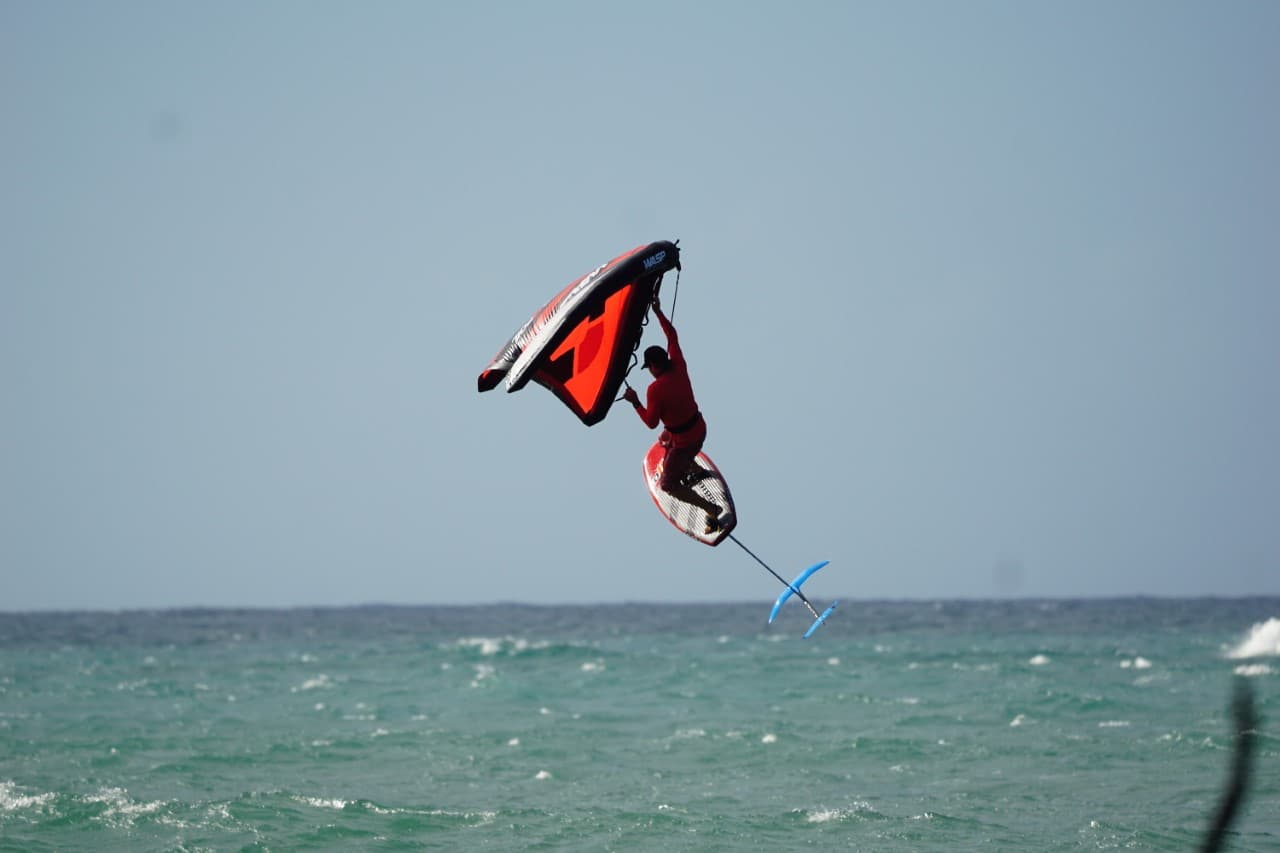
Foil mast height changes speed, control and recovery in surf foiling
A few inches of mast height can change lift, speed and recovery in surf foiling. The right setup keeps the foil clear, calmer and easier to pump.
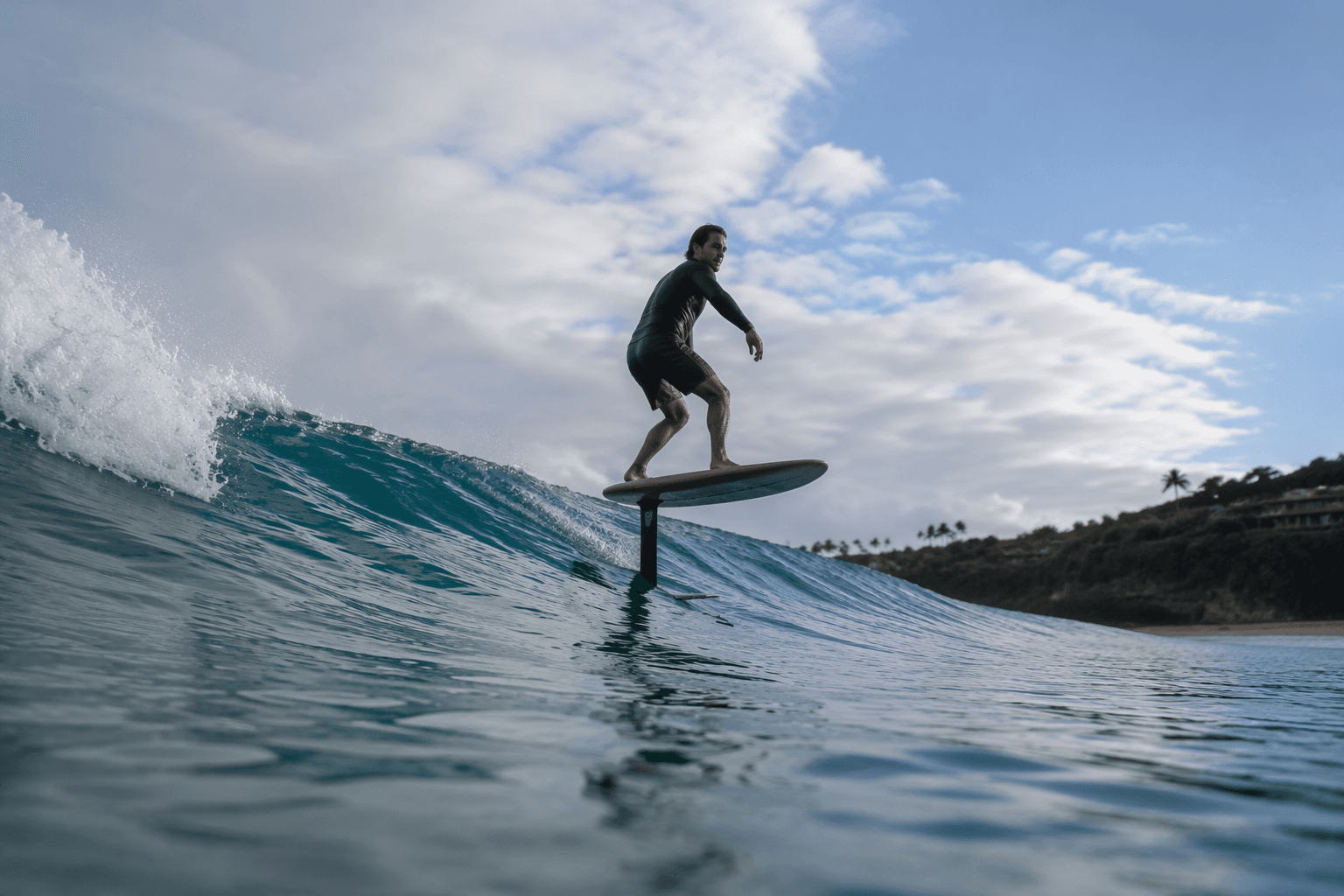
Change the mast by a few inches and the board can feel looser, calmer, harder to breach, or more sensitive underfoot. A surf foil is a system, and mast height is the piece that decides how much of that system stays in the water once the waves get steeper or choppier.
REAL Watersports has leaned into that idea with an “Anatomy of a Foil” explainer and a related video from Matt Nuzzo posted on April 3, 2025. The Inertia’s foil buyer’s guide and its foilboard explainer are built around the same question: what does each part actually do on the water?
Mast height is the first speed and recovery decision
The mast is the vertical strut between the board and the wing set, and in surf foiling it governs clearance first and everything else after. A taller mast gives you more room before the wings breach, which helps when the face gets bumpy, when the wave face is deep, or when you are drawing a bigger line through a carve. It also gives you more recovery room if you come off balance, because the foil can stay engaged deeper in the water before ventilating.
That extra reach comes with a tradeoff. A taller mast increases leverage, so every input feels more pronounced underfoot, especially when the water is moving around the board. That is why REAL Watersports’ Dec. 22, 2017 “Introducing the Surf Foil” post singled out a mid-length mast between 21 and 28 inches, saying that range helps keep the rider from coming too high out of the water and reduces wipeouts.
- more mast height means more chop clearance, better recovery from deep carves, and more freedom on steeper faces
- less mast height means a calmer, less tippy setup, but with less room before the wing breaks the surface
For surf foiling, that is the key mast-height equation:
Front wing does the lifting, but it also sets the pace
If mast height controls where the foil lives in the water column, the front wing controls how eager the whole rig is to rise. The front wing sits at the center of lift and glide because it creates the upward force that lets the board release from the water. Bigger wings deliver earlier lift and better low-speed glide, while smaller or more refined wings can carry more speed and turn with less drag.
That tradeoff shows up immediately in surf use. A rider on softer, slower waves wants more area underfoot so the foil lifts early and keeps gliding through flatter sections. On steeper or faster walls, a smaller or more performance-focused front wing feels less sticky and easier to redirect, but it demands more speed to stay flying.
The 2025 hydrofoil gear guide from Wingfoil, Kitefoil & Kitesurf College separates wing shape basics from front wings for learning and after learning, then folds in mast lengths, foil stabilization, fuselage lengths and a stabilizer guide. Riders tune a setup in that order: lift first, then speed range, then how much punishment the foil forgives when the wave softens.
The stabilizer is what keeps the foil from feeling nervous
The rear wing, or stabilizer, is easy to overlook because it sits behind the action, but it is one of the biggest reasons one foil feels calm and another feels twitchy. The stabilizer counters pitch, which shapes how much the nose wants to rise or fall when you shift weight. In practice, that means it can make the difference between a foil that settles into a clean glide and one that keeps bobbing or overreacting to foot pressure.
A more supportive stabilizer adds calm and forgiveness. A more aggressive or reduced rear wing frees up speed and makes turns feel sharper, but it also makes the setup less tolerant when you are late on a correction or coming through turbulence. When riders describe a foil as “too twitchy,” the rear wing is one of the first places to look, especially if the front wing and mast height already make sense for the wave.
The fuselage decides how quickly the foil responds
The fuselage is the horizontal backbone that links the front wing and the stabilizer, and its length changes how the foil responds to pressure from your front foot and back foot. A shorter fuselage feels more lively and quicker to pitch and turn. A longer fuselage feels calmer, more locked in and easier to hold on line.
That matters because surf foiling is not one kind of wave. On a slow, mushy peeler, a shorter, more reactive setup can help the foil bank and redirect with less effort. On a steeper or more critical wall, a longer fuselage can make the board feel more planted, especially when the rider wants to hold trim through a section instead of constantly correcting.
The complaint “hard to pump” is as much a fuselage question as a wing question. If the foil feels resistant when you try to generate glide between waves, the spacing between front wing and stabilizer may be damping the pitch rhythm that pumping depends on. If it feels lively but drains speed quickly, the setup may be too loose for the wave energy you are riding.
Match the part to the complaint
The cleanest way to think about foil tuning is to translate the on-water complaint into the part most likely responsible.
- Too twitchy: look first at the stabilizer and fuselage length, then check whether the mast is creating too much leverage for your level or the wave face
- Hard to pump: look at the front wing size, fuselage length and overall balance between lift and pitch control
- Not enough speed: the front wing may be too large or too draggy, while the stabilizer may be adding too much resistance
- Breaching or ventilating too often: mast height is too short for the wave size or the line you are trying to hold
- Hard to recover after a mistake: a taller mast and a calmer rear-end setup give more room to save the ride
A foil is not a single purchase. Front wing, mast, fuselage and stabilizer each change a different part of the ride: lift, pump rhythm, turning radius, stability, speed and forgiveness.
Hydrofoil surfboarding emerged in Hawaii around 2000
Hydrofoil surfboarding is traced to Hawaiian development in the late 1990s and early 2000s, with Laird Hamilton helping popularize it around 2000.
This article was produced by Prism’s automated news system from verified source data, official records, and press releases, then run through automated quality and moderation checks before publishing. The system is built and supervised by the people who set the standards it runs under. Read our full AI policy.
Did this article answer your question?