Indiana Foil 2026 lookbook signals smart, precise evolution
Indiana’s 2026 foil range favors cleaner segmentation over a reset, pairing a new Easy Series and redesigned G-Pro with sharper discipline-specific choices.
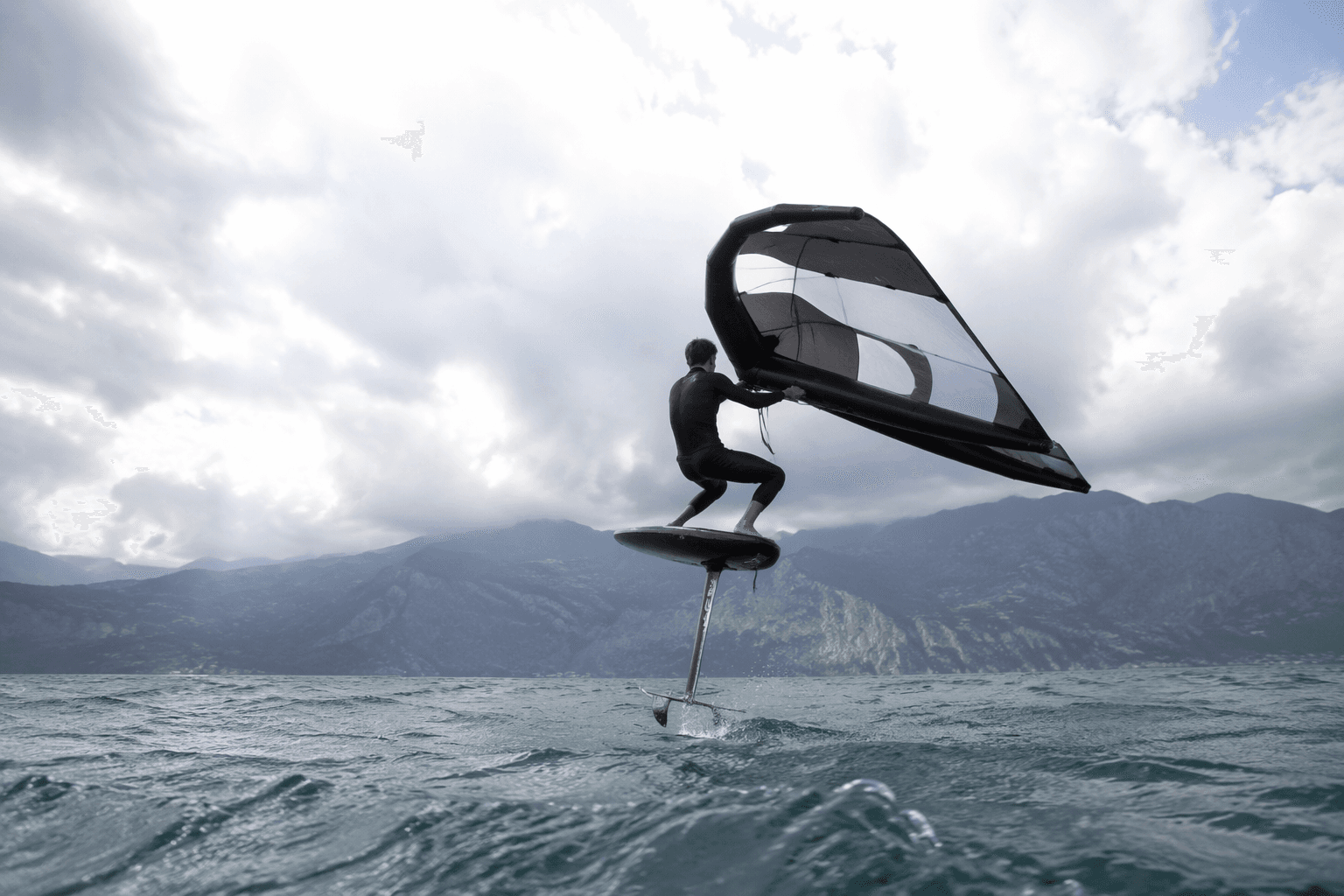
Indiana’s 2026 foil lookbook makes the quiet move count: instead of a hard reset, the brand is selling precision, consistency and a lineup that should be easier to choose from. TotalWing’s 27 October 2025 breakdown says there is “no radical shift, just smart evolutions,” and that restraint is the headline because it points to fit, control and clearer quiver-building rather than a new brand identity.
The real story is what did not change
The lookbook frame centers on “precision and consistency,” with new shapes, refined constructions and a stronger, more coherent lineup across foil disciplines. That language matters because foil buyers often have to make fast decisions across boards and foils, then live with those choices in very different water states. A cleaner structure in the range should make it easier to see where each piece belongs, especially when one rider is comparing options for surfing, winging or other foil use without wanting to decode a messy catalog.
Indiana’s own retail footprint reinforces that point. Its foils page sits on the Swiss site, with paths to EU and global websites, so consistency across the lineup is not just a design issue, it is a commercial one. When a brand sells through multiple regional storefronts, a coherent naming and product structure reduces confusion and makes it easier for riders to compare what they are buying from one market to another.
Which riders the new pieces seem built for
The clearest signal in the 27 October Instagram post is the split between a brand-new Easy Series and a redesigned G-Pro. The names alone tell you the likely audience: Easy Series reads as the more accessible lane, the one that should suit riders who want a simpler, friendlier entry point and less friction when building confidence on the water. That kind of board family usually matters most to newer riders, crossover riders, or anyone trying to keep sessions smooth rather than technical.
The redesigned G-Pro points the other way. “Pro” in a foil lineup usually means a board or foil package pitched at riders who already know what they want from the water and are chasing sharper response, more efficient performance or a more dialed setup. In practical terms, that makes the G-Pro the more obvious match for experienced riders who want Indiana’s Swiss precision without the extra hand-holding of an easier progression shape.
The Instagram post also said the collection includes “many other boards for all foiling disciplines.” That breadth is important because the best foil quivers are not just about one standout model, they are about the right board for the right job. A broader lineup gives riders more control over where they sit on the spectrum from accessibility to performance, while still staying inside one brand’s design language.
What changed from prior models
The material changes here are concrete, even if they are not revolutionary. Indiana is adding new shapes and refined constructions, and that usually translates into small but meaningful gains in how boards feel underfoot, how they initiate lift, and how they hold up over repeated sessions. The brand is not chasing a total rewrite of its foil identity; it is tightening the line between products so each one has a clearer purpose.
That is the useful part of the update for buyers. A more coherent lineup across disciplines helps riders answer the questions that actually decide purchases: which board is easiest to get moving, which shape should feel more stable in choppy water, which package fits a rider who wants progression without starting over from scratch. The less a brand forces customers to guess, the more likely they are to buy into the line with confidence.
BoardSport Source’s “Indiana Foiling S/S 2026 Preview” adds another layer of context. The fact that trade media were already previewing the range suggests Indiana’s update was important not only to consumers but to retailers and specialists who need to explain the collection cleanly on the shop floor. A disciplined product structure is a sales tool as much as a design choice.
A restrained refresh can still carry business weight
Indiana’s earlier activity shows the company was not waiting for 2026 to stay visible. TotalWing’s 10 April 2025 post on the Big Wave Sale said the promotion ran until 27 April and tagged Gunnar Biniasch, which places the lookbook refresh inside an active commercial cycle rather than a quiet hiatus. That matters because a brand with ongoing sales momentum can use a cleaner new lineup to convert interest into more precise purchases.
The bigger question is whether this approach gives riders more confidence or less innovation. The answer is probably both. Riders who value stability, compatibility and a clearer path through the range should feel more confident, because the brand is telling them exactly where each product fits. Riders looking for a dramatic leap may feel less surprise, because Indiana is choosing refinement over spectacle.
That is still a strong position in foiling, where the best products often win by making the session simpler, not by making the catalog louder. Indiana’s 2026 lookbook looks built for that reality: sharper segmentation, familiar identity and a product story that favors usable gains over reinvention.
This article was produced by Prism’s automated news system from verified source data, official records, and press releases, then run through automated quality and moderation checks before publishing. The system is built and supervised by the people who set the standards it runs under. Read our full AI policy.
Did this article answer your question?