MACkite compares high-aspect and mid-aspect foils for wave riding
High-aspect foils buy glide and range on rolling swell, while mid-aspect wings save tighter wave sessions with easier turns and recovery after touchdowns.
MACkiteboarding’s Jan. 31, 2025 video separates breaking waves from rolling swell. That distinction is key to choosing a front wing that matches the session instead of fighting it.
How the aspect choice changes the ride
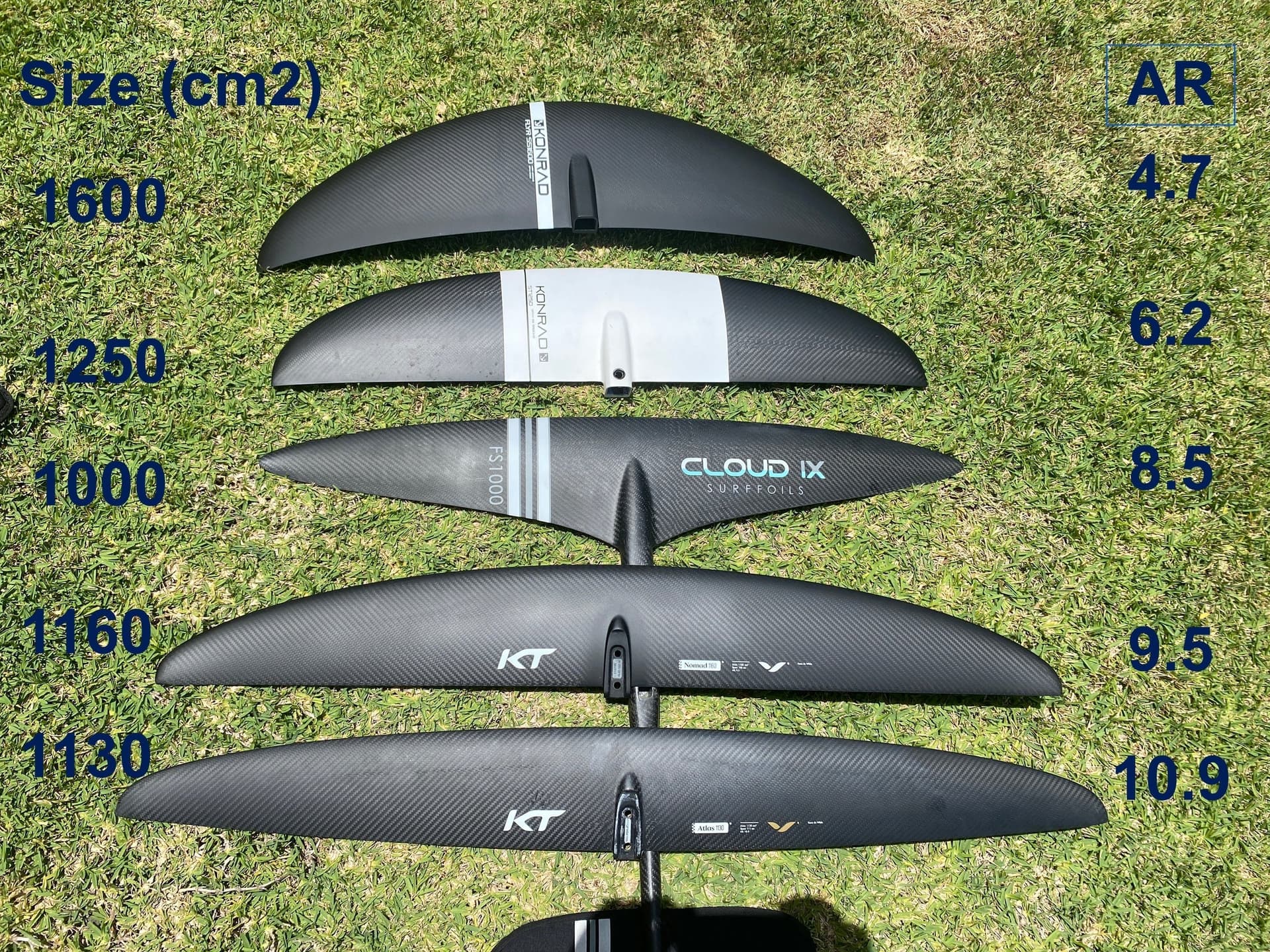
Front wing shape changes everything from takeoff to touchdown. High-aspect foils offer more glide and speed and run more efficiently with less drag. Mid-aspect foils sit closer to the middle of the spectrum, balancing control and maneuverability, which is why they often feel calmer when the water is less organized.
Rolling swell gives you cleaner, longer lines, while breaking waves tend to be steeper, shorter, and more reactive.
When high-aspect becomes the smarter call
High-aspect starts to pay off when the goal is open-ocean glide, longer runs, and easier speed retention across weaker or cleaner energy. That is the foil you reach for when the session is built around linking swell lines, covering distance with less pumping, or staying efficient in downwind-style movement. The extra glide means the wing carries speed well between sections, so the ride feels smoother when the energy arrives in long, organized pulses.
High-aspect also suits riders who want to preserve speed range more than they want to slash and bank hard. On long-period swell, the wing can feel almost quiet underfoot because it does not need constant correction to keep moving. In the right conditions, that efficiency lets the rider focus on line choice and timing instead of fighting for every meter of glide.
When mid-aspect saves the session
Mid-aspect is the better fit when the wave is tighter, steeper, or more surfy and the rider wants quicker direction changes. The shape tends to feel more forgiving at lower speeds, which helps when the wave face is not offering long, clean shoulders to run down. In breaking waves, that extra maneuverability can matter more than raw glide because the turn happens first and the distance comes second.
Mid-aspect often rescues a session that would otherwise feel too technical on a higher-aspect wing. After a breach or touchdown, the more balanced feel can make recovery easier, especially when the surface is messy and the rider needs the foil to settle quickly. For surf-style carving, the looser feel gives you more confidence to pivot, redirect, and stay in the pocket instead of chasing speed in a straight line.
Match the wing to the rider, not the category label
The right foil is never just about aspect ratio. Rider weight, board size, wave size, mast length, and the plan for the session all change the answer. A wing that feels incredible in rolling swell can feel too fast or too stiff in smaller, steeper waves, while a mid-aspect foil that feels playful in a surfy pocket may not carry efficiently enough if the goal is linking bumps over distance.
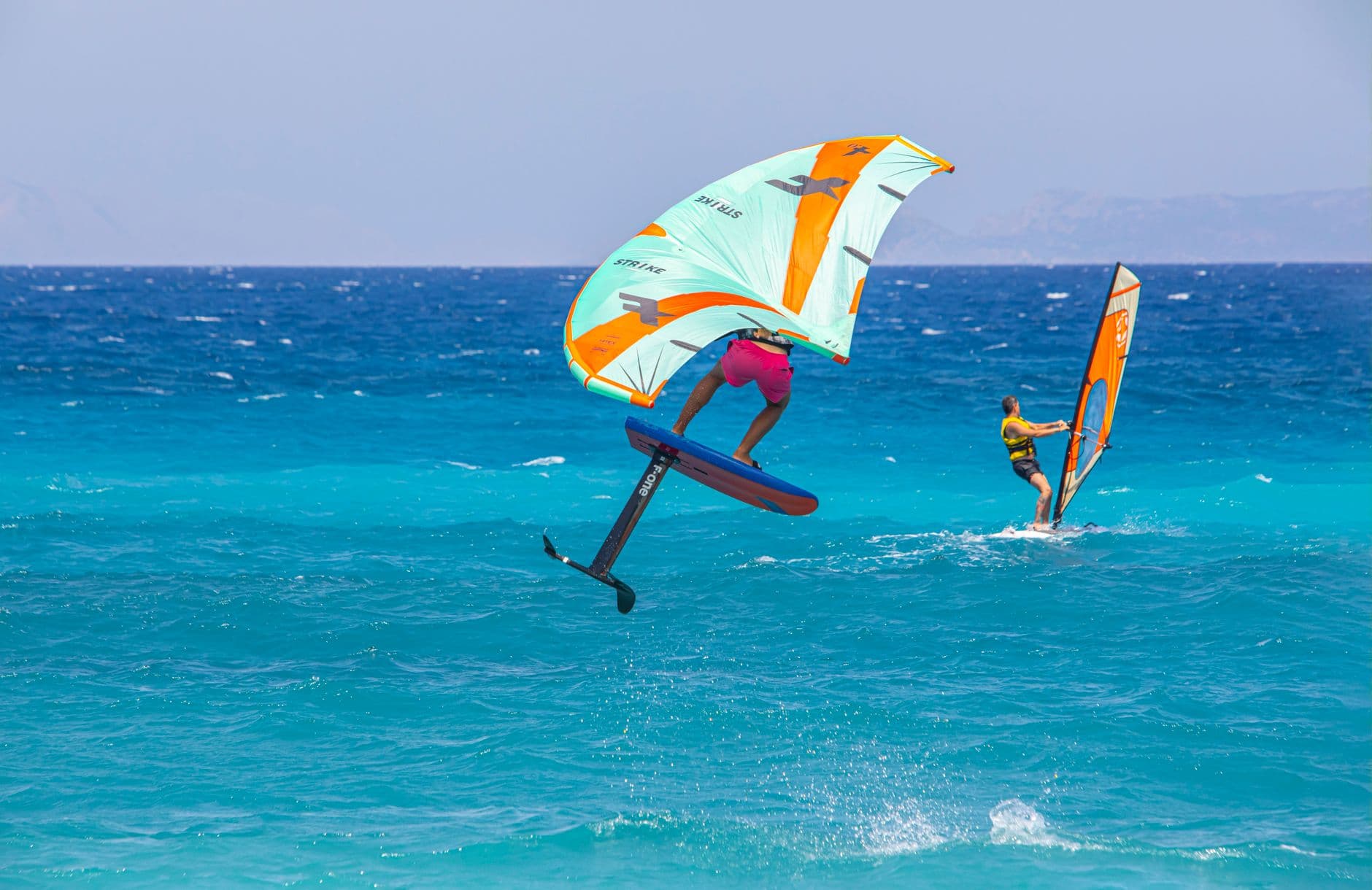
The most useful question is not whether high-aspect or mid-aspect is “better.” It is whether the rider needs more glide and range, or more control and responsiveness. If the session is built around carving and low-speed handling, mid-aspect usually makes more sense. If the ride depends on speed maintenance, clean energy, and fewer pumps, high-aspect becomes the stronger tool.
That tradeoff also explains why tolerance for technical handling matters so much. Some riders are happy to manage a wing that rewards precise pitch control and cleaner inputs. Others want a foil that stays easier when the water is inconsistent, the face is short, or the touchdown comes faster than planned.
Why the debate is still active
The category line is still moving because foil design keeps improving. A November 2024 YouTube discussion put it bluntly: “today’s high aspect is tomorrow’s medium aspect.” Newer wings are narrowing the gap between efficiency and ease, especially as designers thin out profiles and sharpen performance without making the foil feel locked in.
REAL Watersports published a Jan. 16, 2024 discussion with Matt Nuzzo and James Jenkins breaking down low, mid, and high aspect foils. Windance followed with its foil-ratio guide, and F-ONE published its own “How to choose your F-ONE foil ?” guide on May 15, 2024. Epic Boardsports and Naish have also kept aspect-ratio explainers in circulation.
This article was produced by Prism’s automated news system from verified source data, official records, and press releases, then run through automated quality and moderation checks before publishing. The system is built and supervised by the people who set the standards it runs under. Read our full AI policy.
Did this article answer your question?