Agencies Scale Client Projects Using Framer No-Code White-Label Workflows
Framer's white-label model lets agencies deliver React-powered sites without hiring developers, using invisible production partners to handle builds while keeping client strategy in-house.
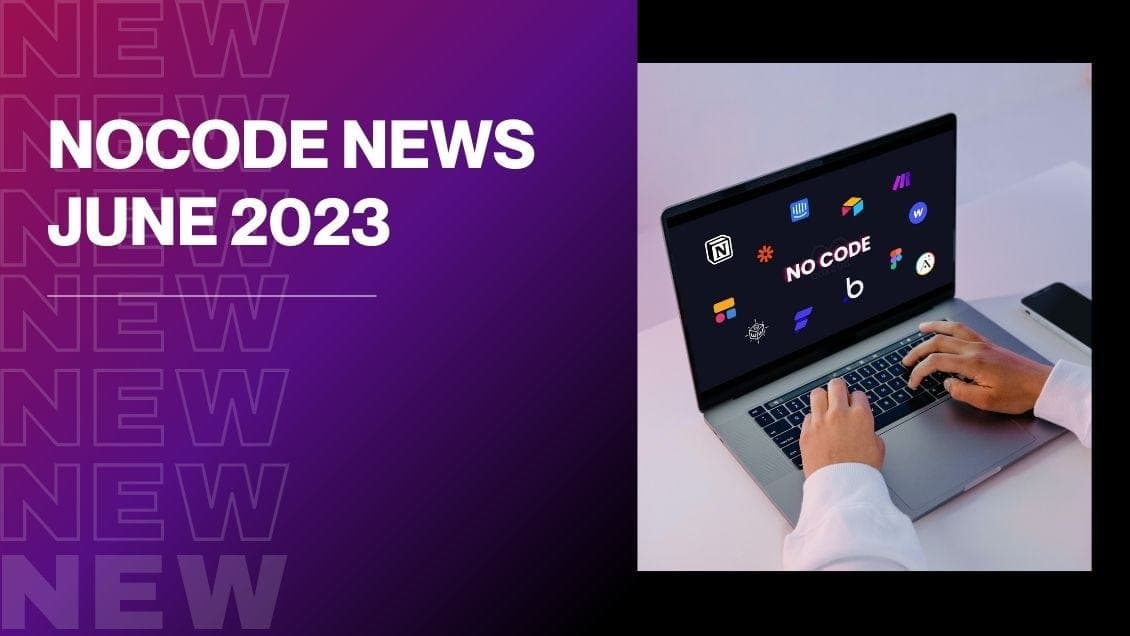
Framer has quietly become one of the more interesting production tools in the agency world, not just as a platform designers use directly, but as a backend engine that entire client workflows run through without the end client ever knowing. The model is straightforward: an agency wins the work, owns the strategy, and hands off the Framer build to a white-label partner who functions as an invisible production arm. The result is faster turnaround, no new headcount, and deliverables that look like they came from a fully staffed in-house team.
LaunchNow.Design mapped this trend in a longform tactical piece published March 2, 2026, describing how web design agencies are using Framer as a white-label production engine to scale client projects. The framing is accurate to what's actually happening at the vendor level. E2M Solutions, which markets itself specifically as a white-label Framer partner for digital agencies, illustrates exactly how these arrangements work in practice.
Why Framer works as a production platform at scale
The no-code label undersells what Framer actually supports on the technical side. Framer's architecture includes custom React components and override logic, which opens the door to integrations that go well beyond what most visual builders can handle. According to E2M Solutions, that foundation means agencies can connect external APIs, advanced interactions, automation tools, and third-party platforms, with the caveat that the API needs to support front-end use. That's a meaningful constraint worth understanding before you promise a client something server-side.
What makes this useful for agency production work specifically is the combination of that technical ceiling with Framer's built-in workflow features. The platform ships with reusable code components, smart styles and design variables, one-click publishing and hosting, dynamic content and conditional logic, responsive previews and settings, custom post types, a theme and layout system, pre-built sections and templates, and flexible stacks and grids. For a team managing multiple client builds simultaneously, that feature set means you're not rebuilding the same scaffolding on every project. You establish system-level design variables once, and they propagate across the build.
Global localization is another capability that changes the math for enterprise-tier work. A Framer site with multi-language support is no longer an edge case that requires a custom CMS or a separate development track. It's a deliverable within the same production workflow, which makes it viable to pitch localized corporate sites to clients who might previously have required a more complex build.
The invisible partner model
The white-label arrangement E2M Solutions describes is a clean division of labor: the agency handles client strategy, and E2M handles the Framer website builder, complex React functionality, and pixel-perfect execution. The agency's brand remains front and center. The production partner stays invisible.
E2M positions its team as a combination of Framer specialists and AI integration experts, which addresses one of the real gaps agencies run into when they start scaling Framer work. Animation expertise in particular has a learning curve, and client projects don't wait for your team to develop it. If you need a complex interaction built correctly the first time on a tight deadline, outsourcing that specific capability makes more operational sense than blocking the project or delivering something mediocre.
The AI integration side is worth noting separately. E2M describes its team working to connect CRMs, marketing tools, AI features, and other custom functionalities into Framer websites. What that looks like in practice depends on the client's stack, but the underlying mechanism is Framer's React override layer combined with front-end API calls. Chatbots, personalization layers, content generation widgets, and CRM-connected forms are all achievable within those parameters.

E2M also handles Figma to Framer conversion, which solves a workflow friction point that comes up constantly in agency settings. Designers work in Figma. Clients approve in Figma. The translation to a live Framer build has historically required either a developer with Framer fluency or a painful manual rebuild. A white-label partner who handles that conversion step keeps the agency's design-to-delivery pipeline intact without adding internal complexity.
What types of sites this model actually delivers
The practical output range is wider than most agencies initially assume. E2M's production work spans four main categories: high-conversion landing pages, SaaS marketing websites, designer and agency portfolios, and corporate and service websites. The landing page category is the obvious entry point, fast to build, relatively contained in scope, and easy to template once the first few are done. SaaS marketing sites are where the React integration capabilities start mattering, since they often require pricing page logic, trial signup flows, or CRM connections that a purely visual build can't handle cleanly.
Corporate sites with localization are the most technically demanding category in this list, requiring multi-language support, responsive layout fidelity across regions, and often a more complex content structure. E2M specifically calls out full-scale enterprise builds with localization as a service offering, which indicates they're set up to handle that scope rather than routing it back to the agency as an exception.
When to bring in a white-label partner
The practical trigger points are relatively easy to identify. If your agency is juggling multiple Framer client projects simultaneously and turnaround is becoming a constraint, that's the clearest signal. If a client project requires Framer animation work your in-house team hasn't built expertise in yet, bringing in a specialist prevents that skill gap from becoming a delivery problem. And if you're being asked to deliver localized enterprise-scale builds, the production complexity justifies a dedicated partner over attempting to scale up internally on the fly.
E2M's own framing on this: "If your digital agency is managing multiple client projects, needs quicker turnaround, or less advanced Framer animation expertise, a partner such as E2M Solutions can help you scale without hiring full-time developers." The no-hiring angle matters because the alternative, adding a full-time Framer developer, comes with salary, benefits, onboarding time, and the ongoing management overhead that doesn't scale down cleanly when client volume fluctuates.
The white-label model keeps the production capability variable. You're buying output, not headcount, which means your cost structure stays aligned with your revenue rather than running ahead of it. For agencies that have built their positioning around client relationships and strategic work, keeping production external is often a cleaner operating model than staffing up for every technical platform a client might request.
Framer's trajectory as a platform, including its expanding React integration support and localization tooling, makes it well-suited to anchor this kind of white-label production model long-term. Agencies that establish clean handoff workflows now, clear scope documentation, Figma deliverables at the right fidelity, and defined integration requirements before build start, will get the most out of these partnerships as client demand for Framer-built sites continues to grow.
This article was produced by Prism’s automated news system from verified source data, official records, and press releases, then run through automated quality and moderation checks before publishing. The system is built and supervised by the people who set the standards it runs under. Read our full AI policy.
Did this article answer your question?