Ahrefs draws line between generative and agentic AI for SEO automation
Ahrefs is pushing SEO teams to treat AI as an operating system, not a copy machine. The real question now is which work gets drafted, and which work gets delegated.
Generative AI drafts. Agentic AI does the work.
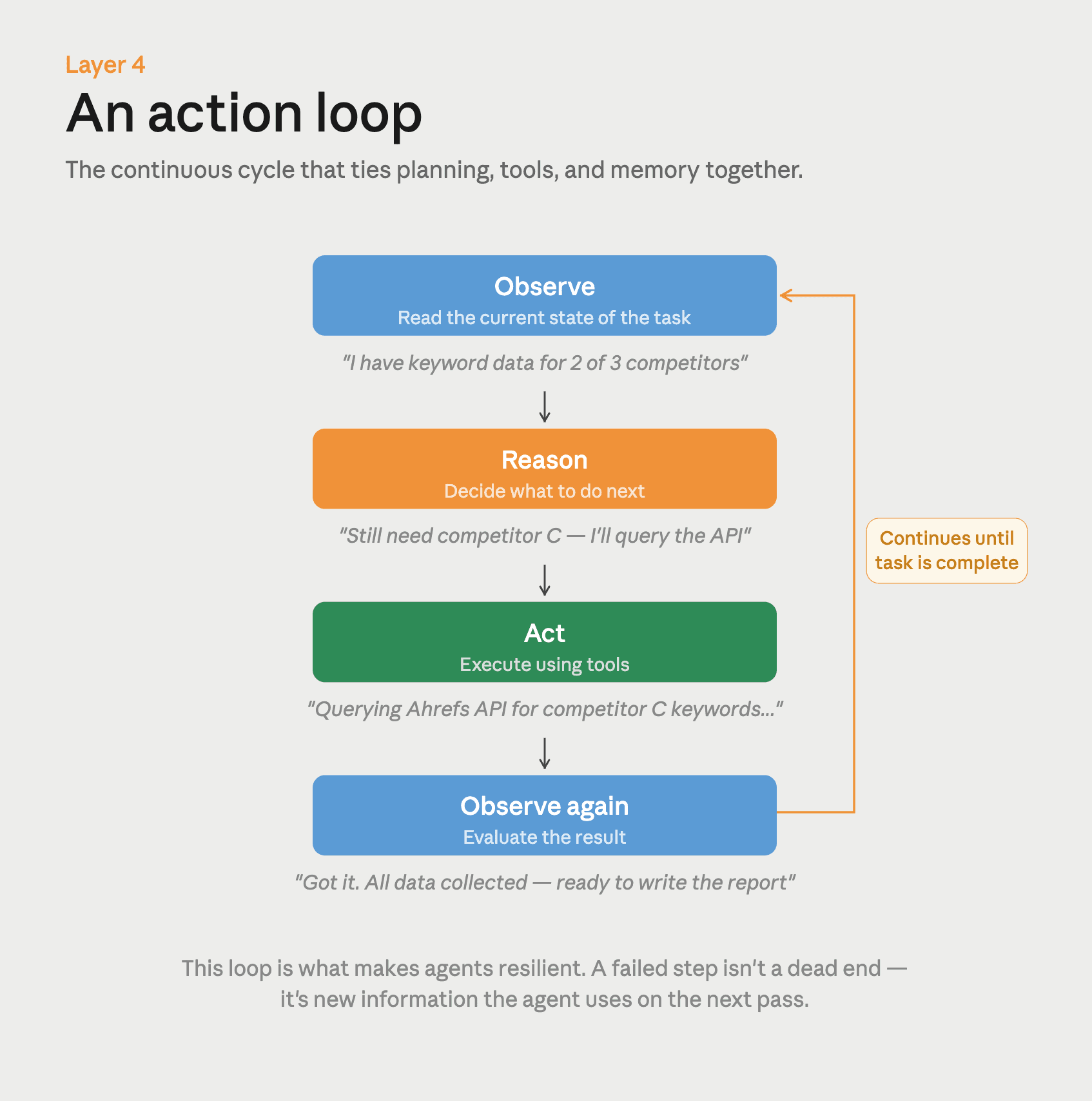
Ahrefs is making a useful distinction that SEO agencies should stop hand-waving past: generative AI reacts, while agentic AI acts. If you ask a generative model for a blog outline or a summary, it gives you text. If you give an agent a keyword target, it can come back with the SERPs analyzed, content gaps identified, and recommendations written without you babysitting every step.

That difference matters because agency operations are not built around producing sentences. They are built around repeatable workflows, research loops, reporting cycles, and quality checks. Once AI can move through those steps with real data, the conversation shifts from “How fast can we write?” to “What parts of the SEO machine can run with less manual overhead?”
What Ahrefs is actually selling
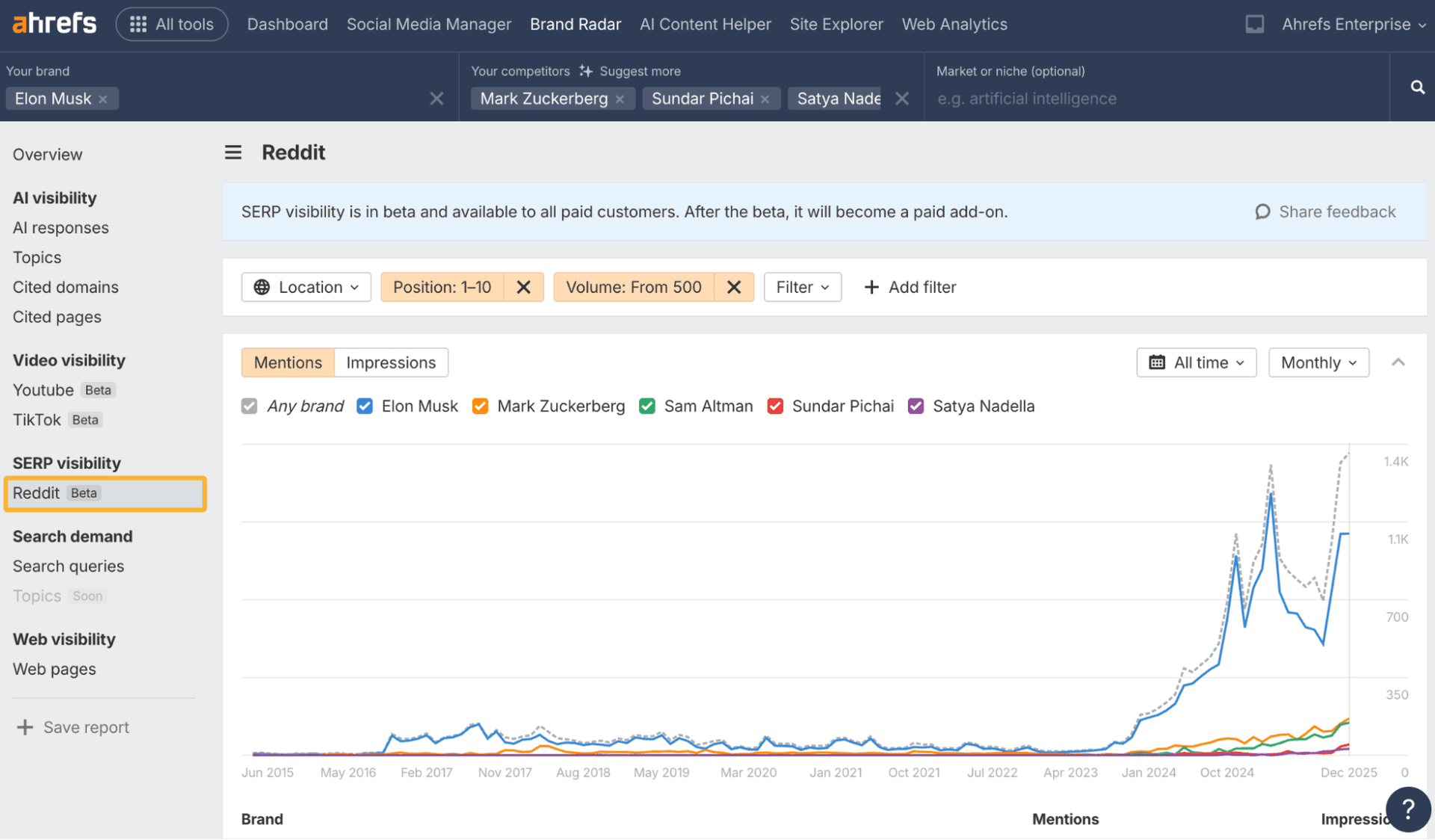
Ahrefs is not talking about AI in the abstract. It is using the distinction to frame its own AI stack, including Agent A, an AI marketing agent that can run keyword research, analyze competitors, optimize content, and make technical SEO fixes using Ahrefs data. The broader AI suite is positioned to automate reporting, keyword research, content creation, brand tracking, technical SEO, and localization.
That is the practical appeal for agencies: research that no longer starts with a blank screen, audits that do not require hand-assembling every data point, and monitoring that can run continuously instead of on a monthly scramble. If Agent A truly has full, unrestricted access to Ahrefs data, then the output is not just a polished paragraph. It is a sequence of actions tied to live SEO inputs, which is a much bigger operational shift.
Where generative AI still fits
Generative AI is still the right tool when the job is production support. Drafting a title tag variation, summarizing a crawl issue, turning a keyword cluster into a content brief, or rewriting a section for tone are all straightforward uses. In those cases, you want speed, flexibility, and a human editor who can make the final call.
That is why generative AI belongs inside the workflow, not at the center of it. It is the assistant that helps a strategist move faster, not the system making the strategic decisions. The minute the task requires cross-checking data, comparing competitor pages, or deciding which pages deserve action first, you are moving into agent territory.
Where agentic AI starts to earn its keep
Agentic AI becomes valuable when the work involves multiple steps and repeated judgment calls based on data. Ahrefs’ own example is the best way to think about it: give an agent a target keyword, then let it pull keyword data, analyze SERPs, identify content gaps, and write recommendations. That is not a single prompt. It is a workflow.
- Keyword discovery and clustering that starts with live data, not a spreadsheet dump
- Competitor analysis that updates as rankings and page formats shift
- Content-gap analysis that flags opportunities without manual comparison
- Technical SEO triage that surfaces fixes before they become client fire drills
- Brand tracking and localization workflows that run on a schedule instead of by request
For an SEO agency, that opens the door to a different kind of automation roadmap:
The big win is not just time saved. It is consistency. An agent that follows the same logic every time can reduce the messy variation that creeps into manual research, especially when a team is juggling multiple accounts.
The boundary that still needs a human
This is where the operational decision gets serious. Agentic AI can execute, but it should not be left alone to define priorities, interpret client context, or decide what “good” means for a particular brand. A keyword opportunity can look great in data and still be wrong for the client’s positioning, sales cycle, or compliance rules.
OpenAI’s guidance is helpful here because it treats agents as systems that independently accomplish tasks on behalf of users, but only within clear guardrails. Its guidance emphasizes decisions about instructions, tools, handoffs, outputs, and guardrails. That is the part agencies need to copy, because autonomy without a handoff framework is how you end up with speed and no control.
- Setting the brief and the business goal
- Deciding which data sources are trusted
- Approving edge-case recommendations
- Reviewing anything that affects brand voice, claims, or regulated content
- Handling exceptions when the agent’s logic breaks
Strategist oversight still matters for:
In other words, agents can do the heavy lifting, but humans still own the judgment. That is especially true when the output will be client-facing or tied to money, legal exposure, or brand risk.
Why the market is moving this way
Ahrefs is not making this argument in a vacuum. OpenAI describes agents as a category of LLM-powered systems that can handle complex, multi-step tasks using tools and orchestration. McKinsey says agentic AI embeds automated reasoning directly into marketing, sales, and customer-service workflows, and estimates it will power more than 60% of the increased value expected from AI deployments in marketing and sales.
The numbers suggest this is moving from theory into operating reality. Google’s 2025 ROI of AI report says 52% of executives surveyed reported their organizations are already deploying AI agents in production. McKinsey adds that 62% of organizations are experimenting with AI agents, but only 23% are scaling them, and only 21% have redesigned workflows, which it identifies as a key correlate of AI-driven value. That gap tells you where the opportunity is: most firms are still dabbling, and very few have rebuilt the actual process.
McKinsey also says effective and scaled agent deployments could deliver productivity improvements of 3% to 5% annually and potentially lift growth by 10% or more. For an SEO agency, those numbers are not an abstract forecast. They point to faster turnaround, leaner staffing pressure on repetitive tasks, and a cleaner path to serving more clients without multiplying headcount linearly.
What this means for agency operations
The agencies that win with this shift will not be the ones with the fanciest demo. They will be the ones that decide, with discipline, what gets automated and what stays under strategist control. That means designing workflows where generative AI handles drafting and agentic AI handles repeatable execution, then building review checkpoints around both.
The old automation model was mostly about efficiency. The new one is about delegation. Once AI can research, compare, flag, and recommend with live data, the agency advantage moves to orchestration: client context, quality standards, escalation rules, and the ability to say no when the machine is technically right but commercially wrong.
That is the real line Ahrefs is drawing. Generative AI helps you produce more. Agentic AI helps you operate differently. In SEO, that difference is becoming the new standard for how agencies scale without losing control.
This article was produced by Prism’s automated news system from verified source data, official records, and press releases, then run through automated quality and moderation checks before publishing. The system is built and supervised by the people who set the standards it runs under. Read our full AI policy.
Did this article answer your question?