Ahrefs guide says startup SEO still drives efficient organic growth
Startup SEO still pays off, but only if you start with the pages that matter most and accept that real gains usually take three to six months.
Startup SEO still works, if you treat it like a compounding asset
Ahrefs’ startup SEO guidance is basically a reality check for cash-constrained companies: organic search is still one of the most efficient ways to build demand, but it is not fast, and it is not magic. The whole point is simple, making a startup website more visible for relevant keywords on Google and other search engines so the traffic keeps coming without the constant spend of paid media.
That matters even more now that search is changing under the pressure of AI answer systems. The new buying environment is not just blue links and traditional rankings anymore, it also includes visibility in ChatGPT, Perplexity, Gemini, and Google’s AI Overviews. For agencies, that is the useful framing: the best clients are often the ones who understand SEO matters, but cannot justify a large internal team or a sprawling program.
Why this is still a smart first channel
The appeal of startup SEO is not that it is cheap in the absolute sense. Ahrefs is blunt that hiring an agency can make it expensive, but it is also one of the few growth channels that can be started without technical expertise. That combination is exactly why it keeps showing up in lean startup plans and in agency pitches for smaller accounts.
There is also a built-in strategic advantage. Many B2B decision-makers start with generic search, then expand into category or solution research. If your brand is present early in that research path, you are not just chasing clicks, you are shaping the shortlist before competitors fill the space. That is the real business value here: SEO is not only traffic generation, it is early influence over the buying process.
Set the timeline before you set the budget
The biggest mistake is expecting SEO to behave like paid media. Ahrefs says startups usually need about three to six months to notice real progress, and its earlier timing research, based on 3,680 respondents, points to the same window. That is the kind of expectation setting agencies should put into the first sales conversation, because it changes how clients judge success.
Google’s own materials reinforce the same point from a different angle. Google Search Central says basic SEO knowledge can have a noticeable impact, and its starter guide is built for people who own, manage, monetize, or promote content in Google Search. The message is not that you need a massive program to begin, it is that you need the right basics done well and consistently.
What to do first when the budget is tight
If a startup cannot afford a sprawling SEO program, the first move is not to publish everything at once. It is to build the site so search engines and buyers can immediately understand what the company does, then focus on the pages closest to revenue.
The highest-leverage sequence usually looks like this:
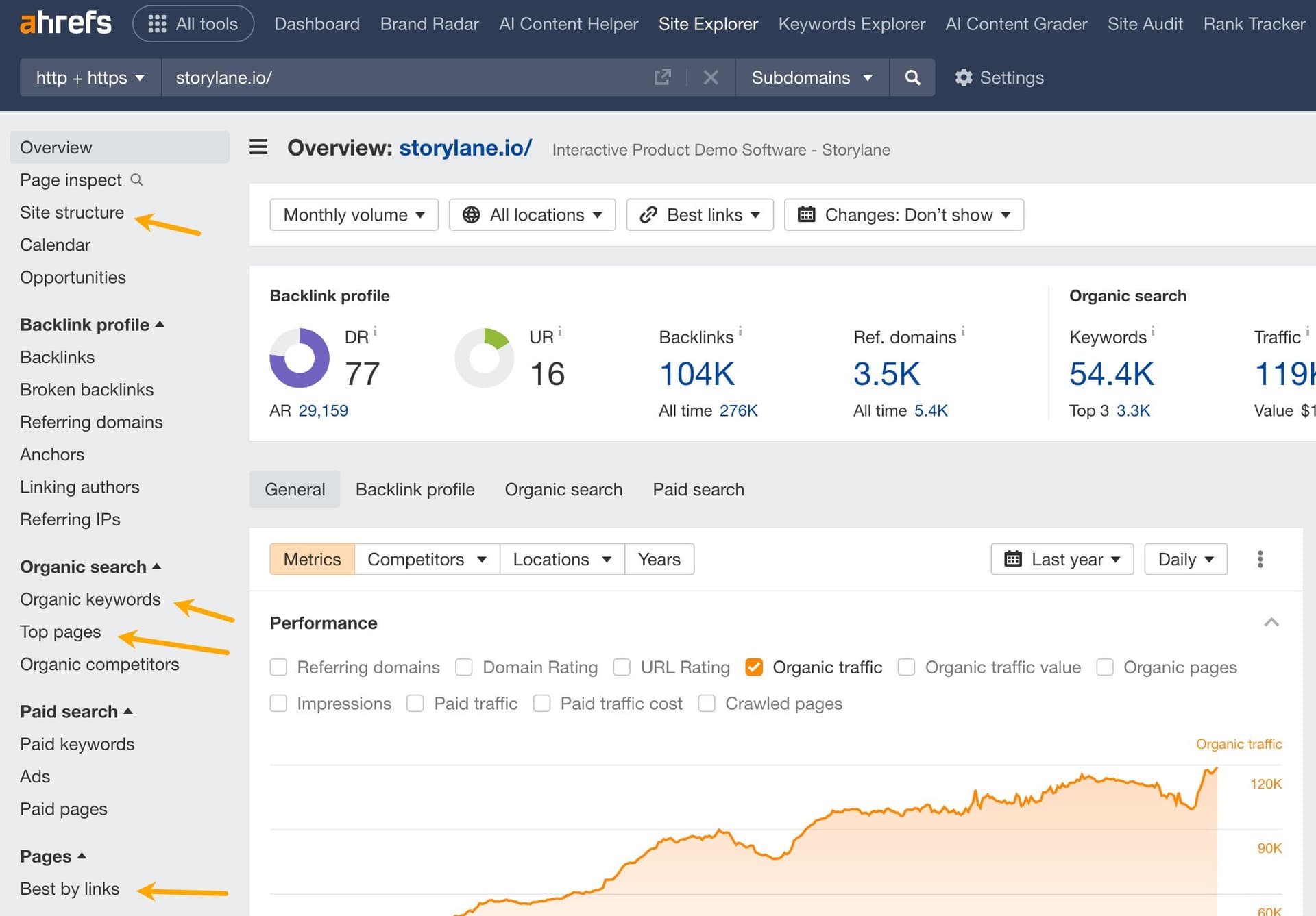
- tighten site structure so the core offer is obvious
- build bottom-funnel pages for the products, services, use cases, and categories people actually search for
- publish quick-win content that answers high-intent questions tied to those pages
- use links to support the pages that already have commercial value
That approach fits both the Ahrefs guidance and the Google Search Central basics. Google says its SEO starter guide helps make it easier for search engines to crawl, index, and understand content, which is why structure is not a cosmetic issue. It is the foundation that lets the rest of the work stick.
The basics that still move the needle
Ahrefs recommends getting team support, researching the right keywords, creating useful content, and building links. Those are not flashy recommendations, but they are the work. In a startup setting, “team support” often means making sure product, marketing, and whoever owns the website are aligned on what pages matter and what the company wants to rank for.
Keyword research should be more specific than just finding high-volume phrases. For a lean budget, the best targets are often the exact problem, category, or comparison terms that signal someone is close to evaluating a solution. That is where bottom-funnel pages and quick-win content do the most damage, because they capture searchers with intent rather than broad curiosity.
Links still matter, but they should not come first in a cash-limited plan. It is hard to earn useful links to a weak site architecture or vague content. It is much easier to support a clear set of commercial pages once they already answer a real search need.
Don’t ignore the technical basics, even if you are not technical
Google’s guidance also makes the technical side feel less intimidating than many founders expect. Search Console can help site owners understand search performance, which gives startups a practical way to see what is getting impressions, what is getting clicks, and where content is failing to connect. That is useful because early SEO work should be measured, not guessed at.
Structured data is another good example. Google says it helps systems interpret content more precisely, but it does not guarantee rich results. That is the right mindset for startups and agencies alike: schema markup is a clarity tool, not a shortcut. Used well, it can help search systems understand product pages, articles, FAQs, and other key assets more accurately.
AI visibility is now part of the job
The search brief has changed. Google says AI Overviews have already been used billions of times, and they have expanded to more than 100 countries and territories with more than 1 billion monthly users. Google also says these overviews are driving over a 10% increase in usage of Google in its biggest markets for the kinds of queries that show AI Overviews.
That is a big signal for anyone selling SEO services to startups. The job is no longer just to win classic rankings. It is to make sure the brand can show up in answer interfaces where users are already getting information fast, including ChatGPT, Perplexity, Gemini, and Google’s own AI-driven surfaces. For agencies, that shifts the pitch from “we get you traffic” to “we make you discoverable wherever the research starts.”
The lean agency playbook
For agencies serving smaller clients, the best package is rarely a giant retainer full of vague deliverables. It is a disciplined roadmap built around the highest-leverage moves first: get the site structure right, build the pages closest to revenue, then layer in content and links that reinforce those pages. That is where startup SEO is still efficient, because every asset has a job and every job maps back to demand.
The strongest agencies will also set the right expectation from day one. SEO is learnable, it can start without technical expertise, and it can compound without ongoing media spend. But it rewards patience, precision, and a clear understanding of how people search now, not how they searched three years ago. In 2026, that means building for Google, for AI Overviews, and for the answer engines that are quickly becoming part of the same buying journey.
This article was produced by Prism’s automated news system from verified source data, official records, and press releases, then run through automated quality and moderation checks before publishing. The system is built and supervised by the people who set the standards it runs under. Read our full AI policy.
Did this article answer your question?