Rand Fishkin Says Zero-Click Search Predates AI, Reshaping SEO Strategy
Rand Fishkin says zero-click search started around 2011, long before AI, and agencies now have to optimize for visibility, not just traffic.
Rand Fishkin is pushing agencies to stop treating zero-click search like a brand-new AI problem. In his April 20 interview, he argued that the shift away from outbound clicks started around 2011 and had already become a majority pattern by roughly 2018, years before AI Overviews became a headline feature.
Fishkin’s case is rooted in the early days of his career in Seattle, Washington, where he helped run a small web business on a tight budget and got pulled into SEO because it was one of the few ways to compete. He described a smaller, more open search ecosystem, where marketers traded ideas in forums, tactics were riskier, and buying links was common. That world looked very different from today’s Google results, where the search page itself now does more of the answering.
The data Fishkin cites makes that drift hard to ignore. SparkToro’s 2024 zero-click study found that out of every 1,000 Google searches, only 360 in the United States and 374 in the European Union sent a click to the open web. Fishkin said his previous comparable clickstream analysis was in 2021, and SparkToro widened the 2024 study to the EU because of self-preferencing rules and the rollout and rollback of AI Overviews in different markets.
Other recent research points in the same direction. Bain & Company said on February 19, 2025 that about 60% of searches on traditional search engines now end without a click, and that 80% of consumers rely on AI-written results for at least 40% of their searches. Bain estimated that organic web traffic could fall 15% to 25% as a result. Pew Research Center later found that 58% of 900 U.S. adults conducted at least one Google search in March 2025 that produced an AI summary, and users were less likely to click result links when a summary appeared. They very rarely clicked the sources named inside those summaries.
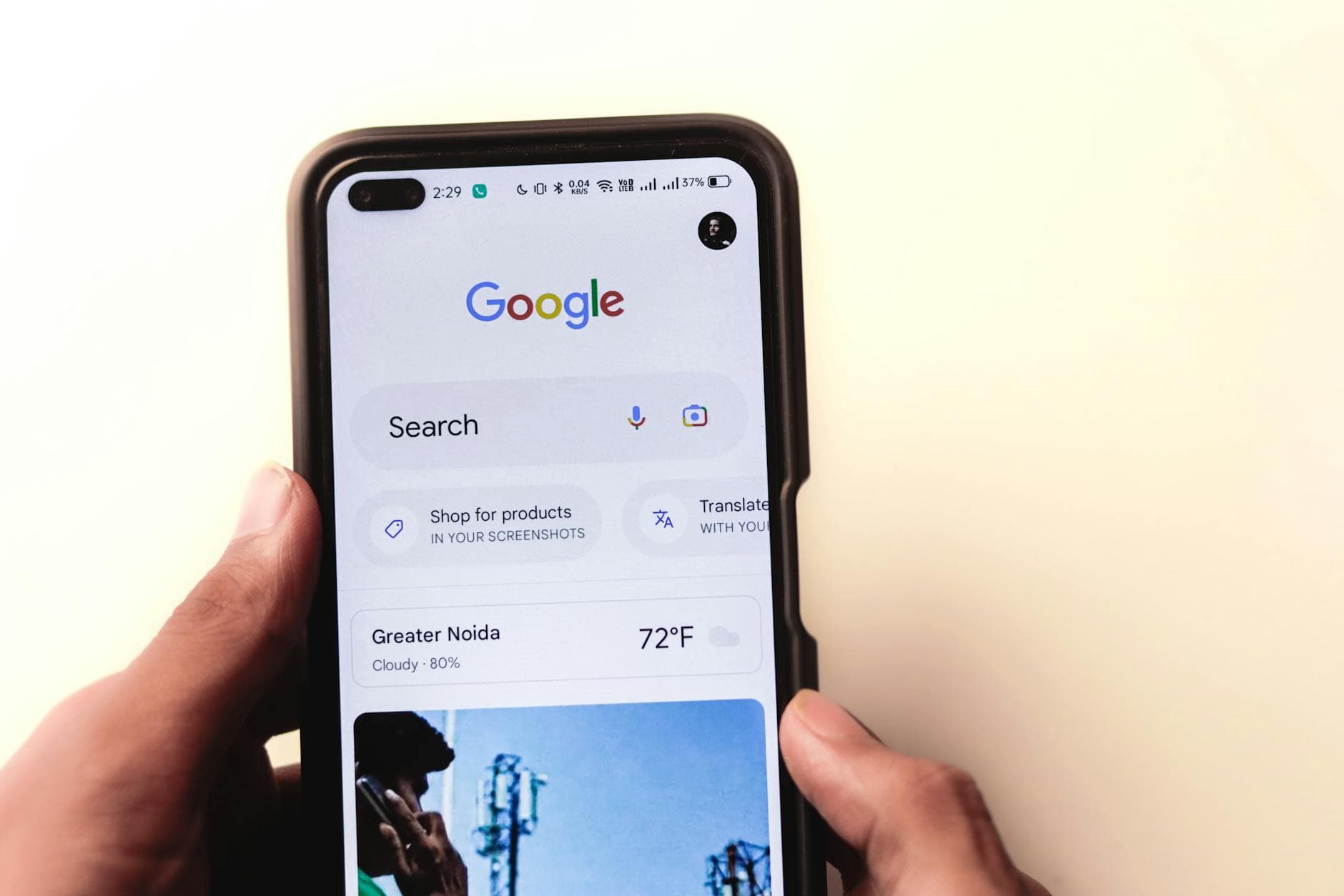
Google launched AI Overviews to all U.S. users on May 14, 2024, after saying people had already used them billions of times in Search Labs. The company has also said links in AI Overviews get more clicks than they would as traditional listings for the same query, a claim that sits uneasily beside Pew’s findings and publisher complaints about traffic loss. However the numbers are framed, Fishkin’s point lands the same way: featured snippets, “position zero,” and other answer-first SERP features were already reshaping discovery long before AI.
For agencies, that history changes the brief. Reporting can’t stop at clicks when impressions, brand recall, and on-SERP presence now matter just as much. Content strategy has to work even when the searcher never leaves the results page immediately, and the pages that do win the click need to be built to convert. Fishkin’s larger argument is simple: agencies are not reacting to one new feature. They are operating inside a structural shift that has been building for years.
This article was produced by Prism’s automated news system from verified source data, official records, and press releases, then run through automated quality and moderation checks before publishing. The system is built and supervised by the people who set the standards it runs under. Read our full AI policy.
Did this article answer your question?