rtCamp fixes AI search gap with trust center launch
rtCamp found AI tools praised its engineering but missed its security proof, then used a trust center to push favorable AI sentiment to 100% in a month.
rtCamp had the kind of credibility that should make enterprise selling easier: 250-plus engineers, 500-plus enterprise engagements, and clients that include Google, Al Jazeera, Cox Automotive and Penske Media. Yet when AI systems were asked about the Pune, India-based WordPress agency, they leaned hard on migration and engineering work and too lightly on the security, compliance and governance proof that enterprise buyers actually use to narrow vendors.
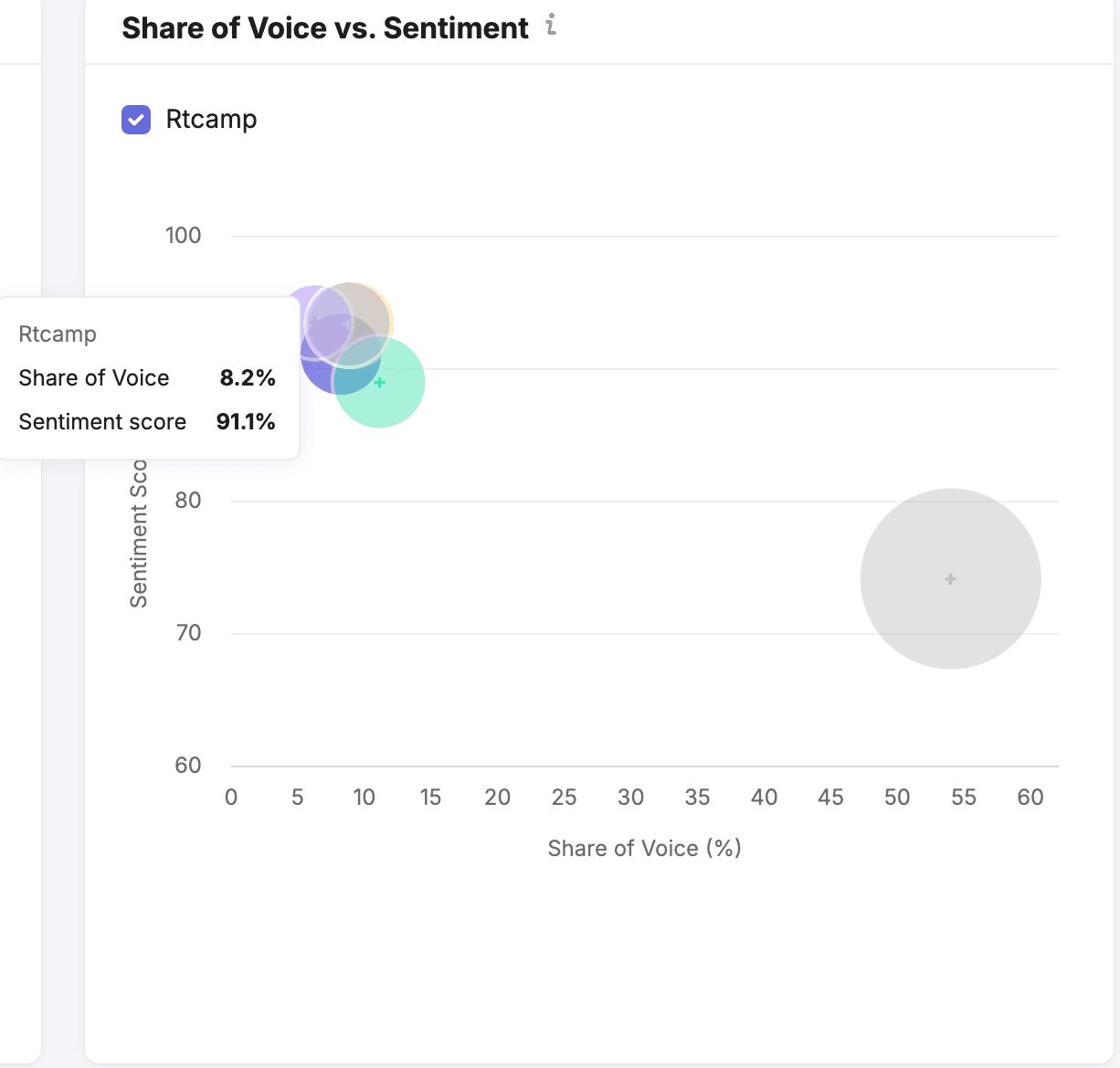
Semrush’s June 10 case study made the gap plain. rtCamp used Semrush’s AI Visibility Toolkit, including its Brand Performance and Perception reports, to see how AI platforms were positioning the firm. Those reports track share of voice, sentiment, narrative drivers and audience questions across AI platforms, and in rtCamp’s case they showed that the models were telling part of the story, just not the part that wins procurement. The agency’s AI visibility improved, and Semrush said favorable AI sentiment reached 100% in one month.

The fix was not cosmetic. rtCamp launched a dedicated Trust Center to centralize security posture, compliance progress and data-handling practices in a structured format that both buyers and AI crawlers could reuse. The Trust Center now lists SOC 2 Type II compliance and ISO 27001 v2022 certification, and it identifies Google, Automattic, Al Jazeera, Meta, PMC and HCL among its trusted-by organizations. rtCamp’s public site adds more ballast: the company says it was officially incorporated in 2009, has been in business for 17-plus years, has 96% client satisfaction, carries a 4.8 out of 5 Clutch rating, has delivered 500-plus enterprise engagements and averages more than 6 years per client partnership.
That matters because rtCamp’s own WordPress.org profile reinforces the same message with a different set of proof points, naming Al Jazeera, PMC, Radio Free Europe and the Indian Express as key publishing clients and saying average engagement time exceeds 6 years. In other words, the agency was already authoritative in the market. The problem was that AI-assisted vendor discovery was not reading that authority clearly enough to surface the trust signals enterprise teams care about most.
That is the real playbook for SEO and digital agencies chasing larger retainers. The task is not simply to get mentioned in AI results. It is to make sure AI systems describe the agency in the categories that close business: compliance, governance, security, and enterprise readiness. Forrester said in January 2026 that generative AI is reshaping how business buyers discover, evaluate and purchase services, and G2’s 2026 research says 51% of B2B software buyers now start research with an AI chatbot more often than Google. rtCamp treated that shift as a sales problem, not a branding exercise, and that is why the Trust Center reads less like a content project and more like a pipeline asset.
This article was produced by Prism’s automated news system from verified source data, official records, and press releases, then run through automated quality and moderation checks before publishing. The system is built and supervised by the people who set the standards it runs under. Read our full AI policy.
Know something we missed? Have a correction or additional information?
Submit a Tip