Semrush urges agencies to align content marketing with buyer journey stages
Agencies win bigger retainers when they stop selling "content" and start selling journey coverage, with every asset tied to a stage, a KPI, and pipeline movement.
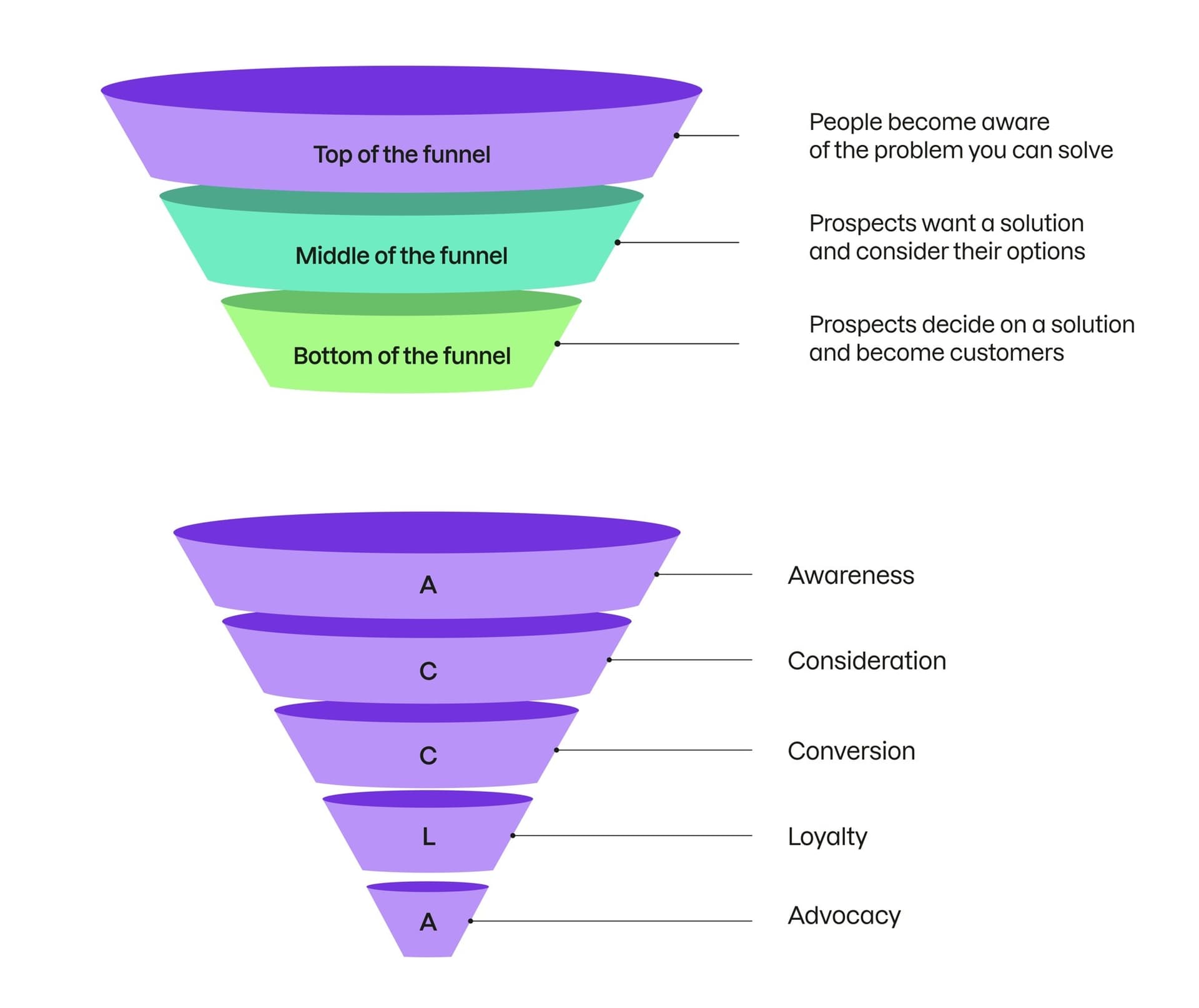
Agencies are being pushed to sell outcomes, not output
Semrush’s new funnel guide lands on the right problem at the right time: agencies cannot afford to pitch content as a pile of blog posts, assets, and social snippets anymore. The real job is coverage across the buyer journey, from first discovery all the way through loyalty, implementation, and advocacy. If a retainer cannot show how content moves prospects forward, closes gaps, or helps keep customers engaged, it is just expensive volume.
That is the accountability shift worth paying attention to. The value is no longer in saying a client published 12 articles this month. The value is in showing which pieces answered early questions, which ones helped buyers compare options, which ones pushed a stalled deal back into motion, and which ones reduced post-sale friction. That is how content becomes a revenue conversation instead of a vanity report.
The funnel is not a bucket, it is a system
Semrush’s April 29, 2026 guide lays out the two most common ways teams model content: the familiar three-stage framework, TOFU, MOFU, and BOFU, and a more modern seven-layer model that stretches beyond awareness, consideration, and decision into post-purchase phases like implementation and advocacy. That second model matters because buyers do not stop needing content once they convert.
The old linear story, where someone notices a problem, compares vendors, then buys, is badly out of step with how B2B buying works now. Content Marketing Institute says B2B buyers rarely follow a linear path to purchase. Gartner adds that marketing teams play a key role in helping buyers move toward confidence and clarity across digital supplier interactions. Put those together and the message is clear: the funnel is not a neat chute, it is a series of decision moments, reassessments, and handoffs.
What each stage needs from your agency
The practical mistake agencies make is trying to force every asset to do the same job. Early-stage content should create discovery and relevance; mid-funnel content should build confidence and comparison; late-stage content should reduce uncertainty and help a buyer justify the decision. Post-purchase content should support implementation, adoption, and expansion, because the sale is not the end of the journey.
A useful retainer should map each stage to a different asset mix and a different measurement language.
- Awareness: educational explainers, problem-led articles, trend pieces, and research summaries.
Track reach, engaged visits, returning visitors, and stage entry.
- Consideration: comparison pages, buyer guides, webinars, templates, and deeper how-to content.
Track content-assisted pipeline, time on page, downloads, and repeat engagement.
- Decision: case studies, product pages, proof points, ROI content, and sales-enablement assets.
Track demo requests, influenced opportunities, and movement toward close.
- Implementation and advocacy: onboarding content, customer education, success playbooks, and renewal or expansion messaging.
Track activation, retention, product adoption, expansion signals, and referrals.
That is where agencies can stop talking about "traffic" as the main win. Traffic is useful only if it is pulling the right people into the right next step.
Why this matters more in B2B than anywhere else
The pressure is especially intense in B2B, where content often carries much of the buyer journey before sales ever enters the conversation. Forrester’s 2024 research found that 86% of B2B purchases stall during the buying process, and 81% of buyers are dissatisfied with their chosen providers. That is a brutal reminder that the biggest risk is not just losing the deal; it is losing momentum after the deal should have been moving.
Gartner’s recent buying-journey research reinforces the same point. In March 2026, Gartner reported that 67% of B2B buyers prefer a rep-free experience. In June 2025, Gartner also said 73% of B2B buyers actively avoid suppliers who send irrelevant outreach. Buyers want help, but they want help on their terms, with content that is timely, specific, and useful enough to move them forward without a sales rep hovering over every click.
That changes how agencies should think about content planning. The job is not to fill a calendar. The job is to identify where buyers get stuck, what questions they ask at each stage, and what format actually resolves the friction.
How to redesign reporting so clients can see the business impact
This is where account managers can sharpen the story. If a content program is built around buyer stages, the reporting should follow that same structure. "Visibility" is too soft. "Engagement" is too vague. A better report explains how content is helping prospects progress from one stage to the next, and it uses language that the client’s sales and leadership teams already understand.
That means reporting should sound like this:
- The awareness program is creating qualified entry points around specific problems.
- The mid-funnel assets are helping buyers compare options and stay in the process.
- The decision content is supporting close rates and reducing hesitation.
- The post-sale content is reinforcing adoption and retention.
Semrush’s framework is useful because it gives agencies a clean operational story: map topics to stage-specific goals, choose formats that fit those goals, and measure whether the work is helping the business move prospects forward. That makes the retainer easier to defend, because the agency is no longer selling "content production." It is selling buyer-stage coverage with measurable business outcomes attached.
The agencies that grow fastest will think like operators
The biggest takeaway from Semrush’s guide is not that the funnel still matters. It is that the funnel has to be treated as a living system, not a static slide in a strategy deck. If a client only sees top-of-funnel traffic, they are getting an incomplete picture. If they can see awareness, consideration, decision, implementation, and advocacy tied to real metrics, they are finally seeing content as part of revenue architecture.
That is the standard now. Agencies that can connect each asset to the next buyer move will have a much stronger story to tell, and a much harder time being replaced by a cheaper vendor who only knows how to ship more posts.
This article was produced by Prism’s automated news system from verified source data, official records, and press releases, then run through automated quality and moderation checks before publishing. The system is built and supervised by the people who set the standards it runs under. Read our full AI policy.
Did this article answer your question?


