White-Label PPC Management Helps Agencies Scale Without In-House Hiring Costs
Outsourcing PPC to a white-label partner lets agencies offer Google Ads and Meta campaigns without hiring a single specialist or buying expensive software.

White-label PPC management is the practice of outsourcing pay-per-click advertising to a specialized third-party provider, then delivering that work to clients under your own agency brand. The fulfillment partner stays invisible; your logo, your reporting, your client relationship.
If you're running an SEO agency in 2026 and still turning down paid search conversations, you're leaving serious revenue on the table.
How White-Label PPC Management Works
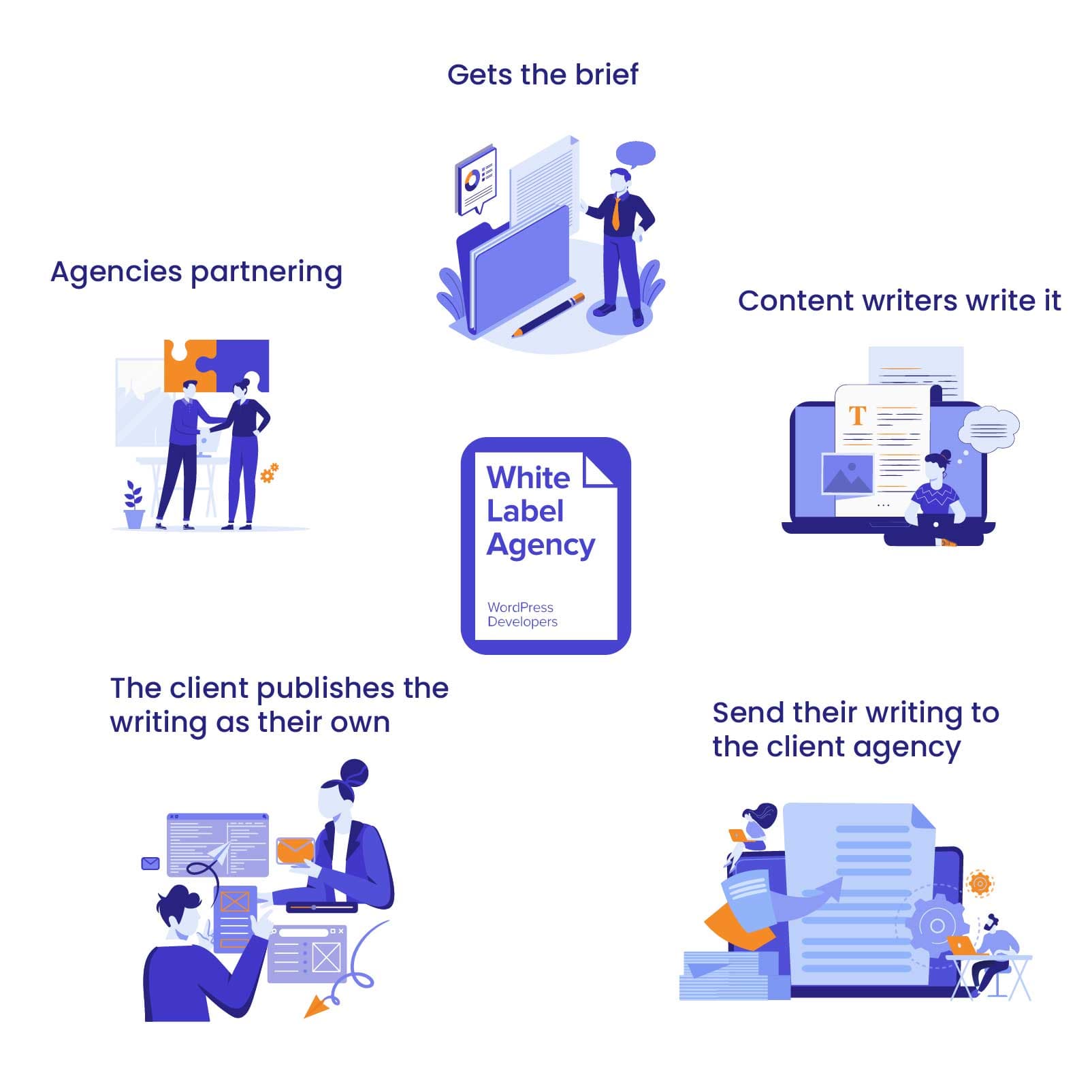
The operational model is straightforward, but the details matter. Here's the typical workflow once you sign with a white-label PPC provider:
1. You onboard the client under your brand and collect campaign goals, budget, and account access.
2. You pass the brief to your fulfillment partner, who builds the campaign structure, writes ad copy, and sets up conversion tracking.
3. The partner runs the campaigns on platforms like Google Ads, Facebook Ads, and Microsoft Advertising, making ongoing bid adjustments and audience refinements.
4. You receive white-labeled reports and dashboards branded with your agency name, which you deliver directly to the client.
5. The client never interacts with the fulfillment team; all communication runs through you.
PPC.Ninja, a provider based in Vancouver, BC, describes it plainly: they run Google Ads for agency clients without those clients ever knowing a third party is involved. That's the entire value proposition in one sentence.
What Services Are Typically Included
A competent white-label PPC partner covers the full campaign lifecycle, not just ad buying. Expect these core deliverables:
- Google Ads campaign setup and management (Search, Display, Performance Max)
- Meta Ads (Facebook and Instagram), including audience targeting and creative guidance
- Microsoft Advertising (Bing) for B2B-heavy client rosters
- Keyword research and negative keyword management
- Ad copy writing and A/B testing
- Conversion tracking setup via Google Tag Manager or platform-native pixels
- Monthly white-labeled performance reports
SEOReseller, one of the established names in PPC reselling, explicitly covers Google Ads and Facebook Ads under its reseller plans, with bidding strategies calibrated to each client's target cost-per-click. The breadth of platform coverage matters because clients increasingly run multi-channel paid campaigns, and you want one partner who can handle all of it.
Pricing Models for White-Label PPC
This is where agencies most often get tripped up. White-label PPC pricing typically follows one of two structures:
Percentage of ad spend: The provider charges 15 to 20 percent of the client's monthly ad budget. This model aligns the partner's incentives with campaign scale, but your costs rise automatically as budgets grow.
Flat monthly fee: Fees generally range from $500 to $2,000 per month per account, depending on campaign complexity and platform count. This model gives you more predictable margins, especially on mid-size accounts.
Some providers, including Softtrix, offer hybrid arrangements where a base management fee covers core account work and additional fees apply for specialized tasks like remarketing buildouts or Shopping feed management. Always clarify exactly what's included in the base rate before you sign.
The cost advantage over in-house hiring is significant. A senior Google Ads specialist in the US commands $65,000 to $90,000 annually in base salary, plus benefits, plus platform certification costs. White-label PPC converts that fixed overhead into a variable cost you only pay when you have active client accounts.
Top Providers Worth Evaluating
The white-label PPC market has matured considerably. A few names come up consistently when agencies compare options:
- SEOReseller (seoreseller.com): Long-running reseller platform covering Google Ads and Facebook Ads, with tiered plans designed for agencies at different volume levels.
- PPC.Ninja: Boutique US and Canada-focused shop that emphasizes clean client-invisible fulfillment; well-suited for agencies that want a partner, not a platform.
- Softtrix: Positions itself as a full-service white-label PPC agency, handling everything from campaign audits to ongoing optimization with a focus on ROI transparency.
- Invisible PPC (invisibleppc.com): Specifically built for the agency reseller model, with documented processes around campaign execution and client reporting.
- Advirtis: Covers international and multi-market PPC campaigns, which matters if your clients are running global paid search across different currencies and languages.
If your agency also sells SEO and content services, pairing PPC fulfillment with a platform like WhiteLabelSEO.ai (plans from $199.99/mo, with auto-publishing to WordPress, Shopify, and HubSpot) gives you a more complete outsourced stack. Clients who are already spending on paid search almost always need organic content to capture non-paid intent, and offering both under one brand strengthens retention.
When to Add PPC to Your Agency Offerings
The right moment to introduce white-label PPC is earlier than most agency owners think. Consider it when:
- Clients are already asking you about Google Ads and you're referring them elsewhere
- You've hit a ceiling on SEO retainer revenue and need a higher-ticket service to grow average account value
- A competitor in your market is offering full-service digital and winning pitches because of it
- You have five or more SEO clients who are running paid campaigns with no strategic guidance
The barrier is not expertise; that's exactly what the white-label partner provides. The barrier is margin math. For agencies charging clients $1,500 to $3,000 per month for PPC management and paying a fulfillment partner $600 to $1,200, the gross margin lands in a workable range. At scale, the economics improve because your sales and client success overhead doesn't grow proportionally with each new account.
The operational risk is real, though. Your agency owns the client relationship, so a poorly performing campaign reflects on you, not on the fulfillment partner. Vet any provider's reporting cadence, escalation process, and average account results before you commit. Ask for case studies in your clients' industries, not just platform-generic performance stats.
How to Measure Results
Success metrics for white-label PPC should be agreed on with your provider before campaigns launch. Standard KPIs include:
- Cost per click (CPC) versus industry benchmark
- Click-through rate (CTR) for Search campaigns (2 to 5 percent is a reasonable baseline for competitive categories)
- Conversion rate and cost per conversion
- Return on ad spend (ROAS) for e-commerce clients
- Quality Score trends on Google Ads
Monthly reporting isn't enough for active campaigns. Build in a weekly check-in, even a brief async summary, so you can flag anomalies to clients before they notice them on their own. That proactive communication is often what separates agencies that retain PPC clients long-term from those that churn through them.
Frequently Asked Questions
What is white-label PPC management?
White-label PPC management is an outsourced arrangement where a third-party specialist agency runs pay-per-click campaigns, including Google Ads, Meta Ads, and Microsoft Advertising, on behalf of your clients, while all work is delivered under your agency's brand. The fulfillment partner remains invisible to the client. Providers such as SEOReseller, PPC.Ninja, and Invisible PPC are built specifically for this agency reseller model.
How much do white-label PPC services cost?
White-label PPC pricing follows two main models. Percentage-of-spend pricing typically runs 15 to 20 percent of the client's monthly ad budget. Flat-fee pricing generally ranges from $500 to $2,000 per month per account, depending on platform count and campaign complexity. Most agencies mark up fulfillment costs by 30 to 60 percent to establish their own management fee and maintain workable gross margins.
What is the difference between white-label SEO and white-label PPC?
White-label SEO focuses on improving organic search rankings through content, link building, and technical optimization, with results that build over months. White-label PPC manages paid advertising campaigns, where results are immediate but stop the moment the budget stops. Many agencies pair both services: PPC drives fast traffic while SEO compounds over time, and offering both under one brand significantly increases average client lifetime value.
Know something we missed? Have a correction or additional information?
Submit a Tip