Ahrefs breaks down AI visibility into training data, retrieval, and live tools
AI visibility is not one job. Brands have to win in model memory, retrieval, and live tools, or they can still disappear when answers are assembled.
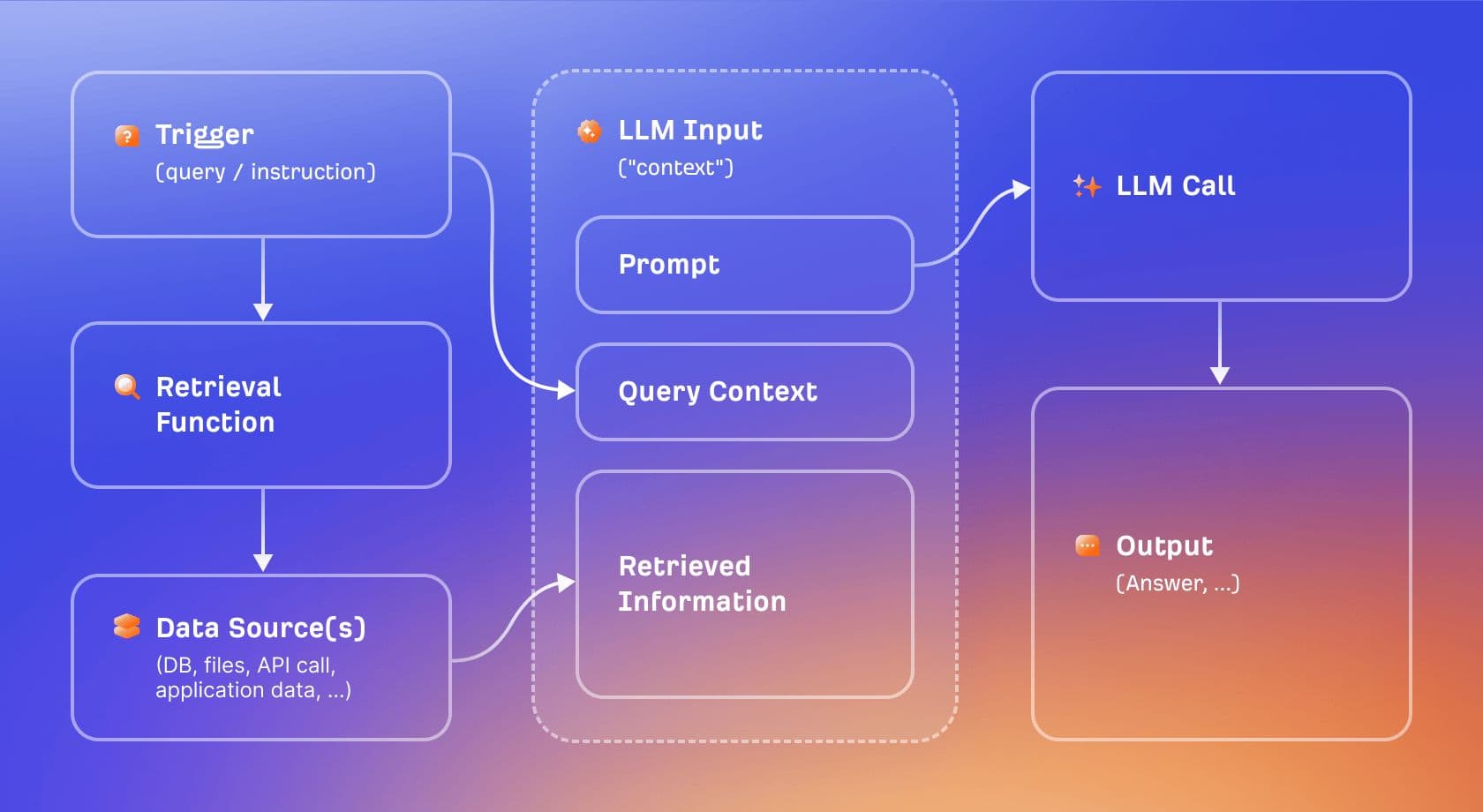
AI visibility is really three different games
Ahrefs’ useful move here is not adding more jargon. It is stripping the problem down to three places where an AI system can get information: training data, retrieval systems, and live tool access through APIs and MCPs. That split changes the whole marketing playbook, because each layer is influenced differently and each layer fails in a different way.
If you only think about search rankings, you miss the part where a model has to remember your brand, the part where it has to retrieve your content at answer time, and the part where it has to reach out to a live system for current data. A brand can be present in one layer and invisible in another.
Training data is the model’s long memory
Training data is the frozen layer. Once a model has been trained, that body of knowledge does not keep updating itself every time your company publishes a new article, launches a product, or cleans up a page. That is why models can sound confident while repeating stale information: they are pulling from associations baked in earlier, not from a live feed.
What matters in this layer is not just whether a brand name appears, but what it tends to co-occur with. If your brand is repeatedly mentioned alongside the right concepts, products, categories, and entities, the model is more likely to recognize it later and mention it in relevant contexts. If those associations are weak, scattered, or inconsistent, the model has less reason to treat you as a meaningful entity.
That is where brand-building starts to look like machine legibility. You are not simply trying to be mentioned. You are trying to make sure the model has a durable mental map of who you are, what you do, and what you belong with.
Retrieval is the part that decides what gets pulled in at answer time
Retrieval systems, often discussed through the lens of RAG, change the game because they operate after training. Instead of relying only on frozen memory, the system searches external sources and inserts fresh material into the answer process. OpenAI’s retrieval documentation makes the point plainly: semantic search can surface results even when the match is weak on exact keywords, and vector stores act as the indices that make that possible.
That means the job here is not just to “be online.” Plenty of brands are online and still fail retrieval. The content has to be structured, semantically clear, and easy for the system to interpret as a relevant answer source. If the model cannot retrieve your material, it may ignore you even if your brand exists everywhere else on the web.
This is the second visibility problem marketers keep running into. You can have decent brand awareness, decent search presence, and decent backlinks, and still lose because the AI layer cannot cleanly map your content to the user’s question. Retrieval rewards content that is organized around entities, specific relationships, and clear topical coverage, not pages that merely hope the right words appear somewhere on the page.
Live tools are what make the system feel current
The third layer is live tool access, where the assistant reaches outside itself for up-to-date information. That includes APIs and MCPs, which are becoming the plumbing behind more of these systems. Anthropic describes the Model Context Protocol as an open standard for connecting AI assistants to the systems where data lives, and it first open-sourced MCP on November 25, 2024.

By December 2025, Anthropic said MCP had more than 10,000 active public MCP servers, and that it had been adopted by ChatGPT, Cursor, Gemini, Microsoft Copilot, and Visual Studio Code. That matters because it shows live access is no longer a side feature. It is becoming part of the default stack for serious AI products.
OpenAI’s own search products point in the same direction. In July 2024, OpenAI said SearchGPT was a prototype designed to combine AI models with information from the web and provide clear, relevant sources. OpenAI later said ChatGPT search gives fast, timely answers with links to relevant web sources, and that it can rewrite a query into targeted searches sent to other providers. In other words, the assistant is not just answering from memory. It is deciding where to look and how to fetch what it needs.
Why this changes the visibility strategy
This is the part brands need to take seriously: AI visibility is not one tactic. It is three separate surfaces, and each needs its own optimization strategy.
- For training data, the goal is strong entity association. You want your brand name, category, and key concepts to appear together in ways that are consistent and easy for models to absorb.
- For retrieval, the goal is semantic clarity. Structure your pages so an AI system can identify what the page is about, what problem it solves, and which entities belong together.
- For live tools, the goal is access and interoperability. If a system is using APIs, MCPs, or web search, your content and data need to be reachable in forms those systems can actually use.
That also creates a stakeholder split. Tool and protocol providers want broader interoperability so assistants can connect to more systems. Publishers and content owners want their content to stay discoverable and attributable inside AI answers. Those goals overlap, but they are not identical.
The practical takeaway for brands and publishers
The smartest way to think about AI visibility is as a supply chain. Training data builds long-term memory. Retrieval builds answer-time relevance. Live tools supply current context. If you optimize only one layer, you are leaving two ways to disappear.
For marketers, that means the old SEO question, “Are we ranking?” is no longer enough. The better question is: can the model remember us, can it retrieve us, and can it reach us live when it needs something current? That is the real game, and it is already being played across every major AI surface.
This article was produced by Prism’s automated news system from verified source data, official records, and press releases, then run through automated quality and moderation checks before publishing. The system is built and supervised by the people who set the standards it runs under. Read our full AI policy.
Did this article answer your question?