AI search reshapes fashion discovery, from mentions to product recommendations
Fashion discovery is moving from keyword hunts to guided product decisions, and the brands that surface best will pair strong PDPs with creator, Reddit, and PR signals.
AI compresses the fashion journey
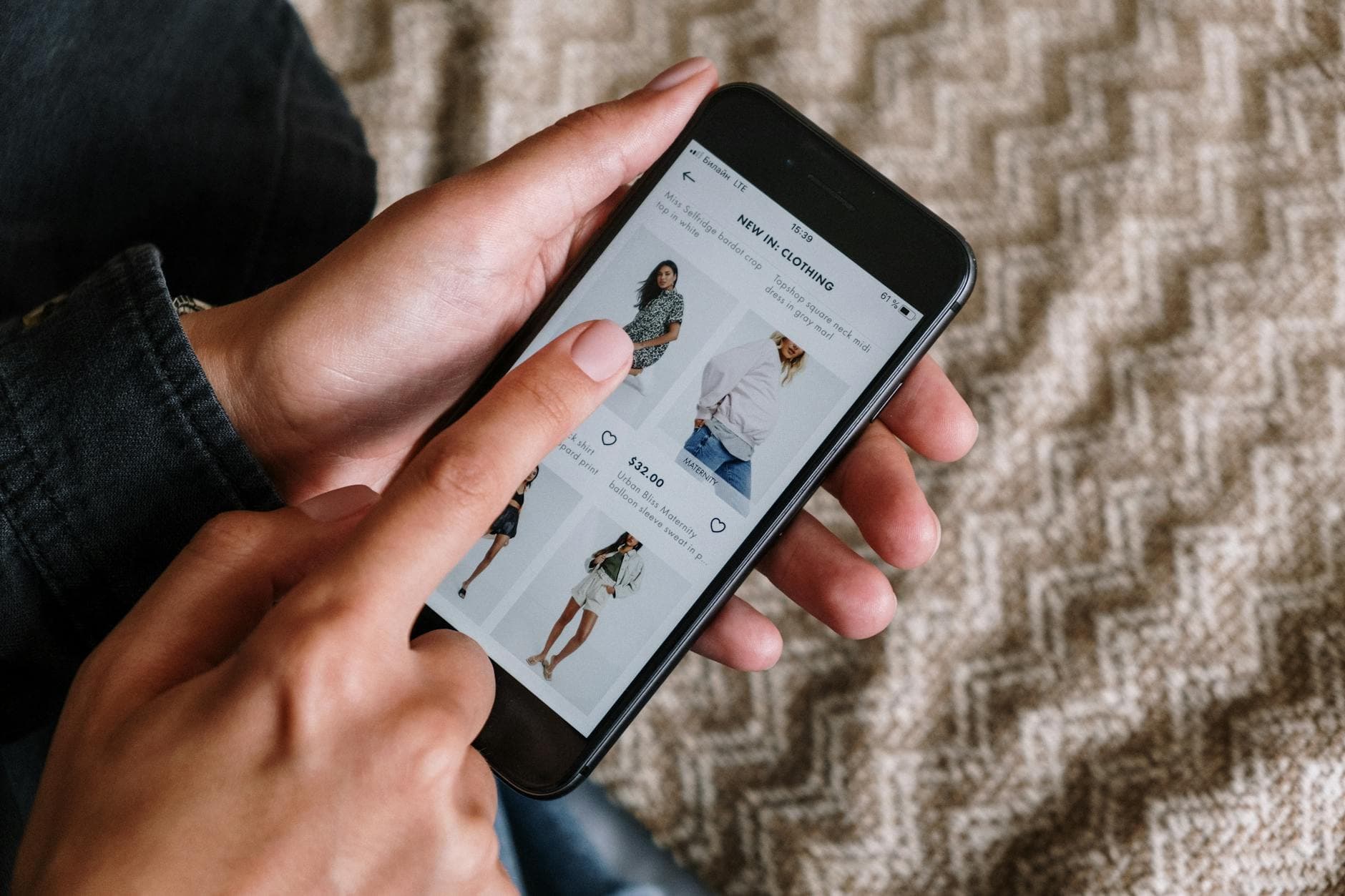
Fashion search is no longer just about ranking for a keyword and hoping shoppers click through. In AI-driven experiences, a single chat can absorb the whole path from inspiration to comparison to recommendation, collapsing what used to be a long sequence of tabs, reviews, and filter clicks into one answer. OpenAI says its shopping research feature is built for that exact kind of multi-step decision-making, while Google frames its AI shopping experience around inspiration, comparison, and buying at the right moment.
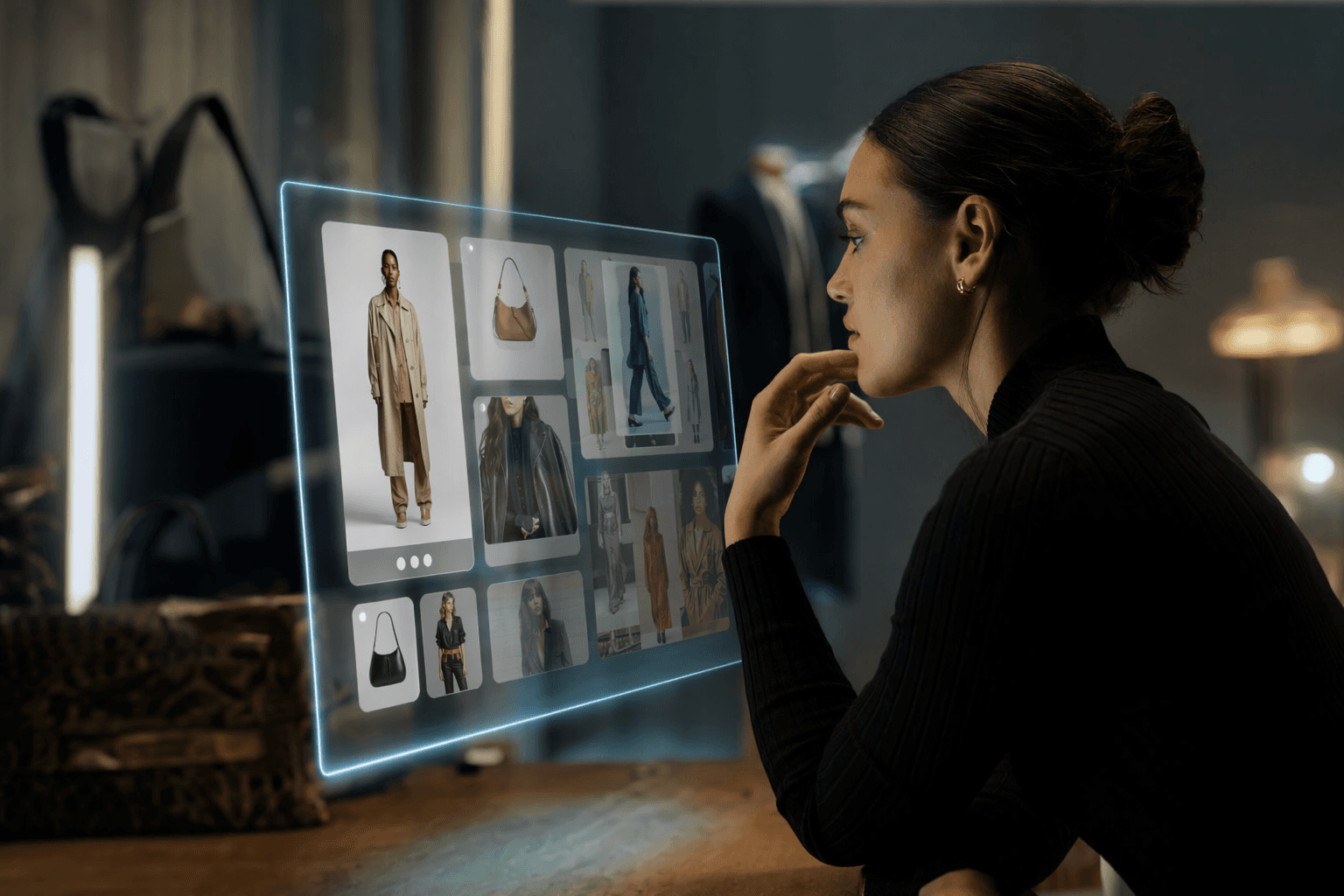
That matters most in fashion, where intent is often fuzzy at the start and highly specific by the end. Shoppers may begin with a vague look, then narrow by silhouette, material, fit, color, care, and price. Google has said more than half of shoppers have struggled to find a specific item of clothing when they already had a clear vision in mind, which is a perfect example of where AI can reduce friction rather than add it.
Why fashion is the proving ground
Fashion exposes the tension at the heart of AI search: trend-driven discovery versus evergreen authority. A product can go viral for a season because creators, Reddit threads, and press coverage push it into the conversation, but a model still needs durable source material to justify a recommendation. That is why fashion is such a revealing category for AI search strategy. It rewards brands that can show up in culture and still provide the structured product detail that machines can parse.
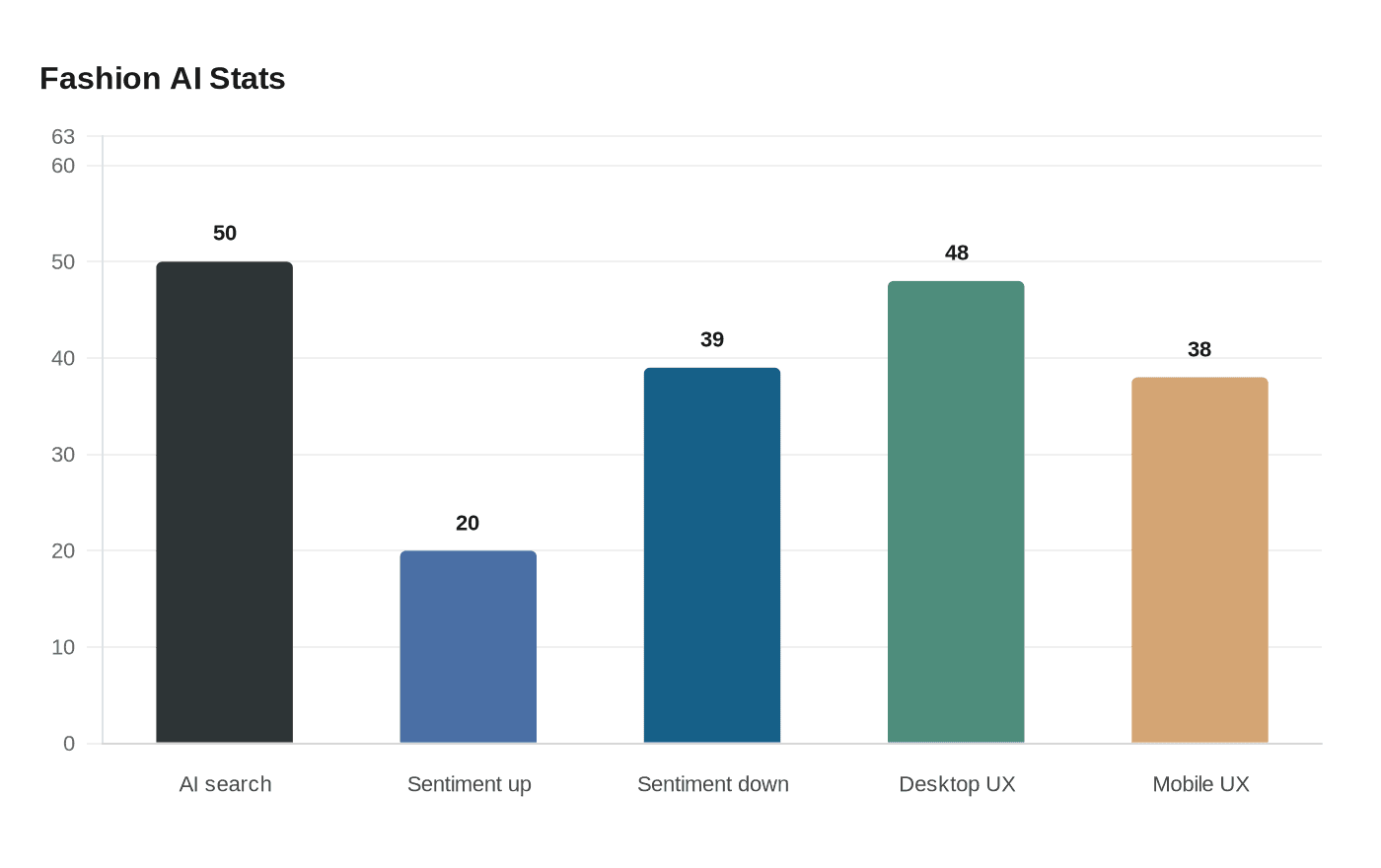
McKinsey’s latest signal on the category adds urgency. The firm says 50% of consumers already use AI-powered search today, and it projects as much as $750 billion in U.S. consumer spend could flow through AI-powered search by 2028. At the same time, McKinsey’s 2025 fashion survey found only 20% of fashion leaders expected consumer sentiment to improve in 2025, while 39% expected conditions to worsen, with revenue growth likely to stay in the low single digits. That combination of pressure and opportunity makes AI visibility a commercial issue, not a novelty.
The three layers of AI visibility
Fashion visibility in AI search breaks into three distinct layers: mentions, citations, and product recommendations. Each one plays a different role in how a model interprets authority, relevance, and buying confidence.
Mentions are the broadest layer. They come from reputation signals such as Reddit discussion, creator content, and media coverage, and they help a brand become part of the conversation around a style, product type, or use case. Citations go a step deeper by pointing back to product pages, sizing guides, or care instructions, which gives the model something concrete to trust and reuse. Product recommendations are the highest-value layer because the model actively names a brand or item in a shopping context, turning visibility into near-direct demand.
Search Engine Land’s fashion guidance reflects that shift clearly. The game is no longer just classic ranking in search results. It is product discovery inside AI-driven shopping experiences, where the sources a model leans on can decide whether a brand shows up as a mention, a cited option, or the recommendation itself.
What product pages must do now
The product detail page has become one of the most important inputs in AI shopping, but the bar is higher than many brands think. Baymard Institute’s testing uncovered more than 1,300 product-page usability issues, even across multi-million-dollar ecommerce sites. Its latest benchmark found only 48% of leading U.S. and European desktop ecommerce sites had decent or good product-page UX, while just 38% of mobile sites reached that level.
That gap matters because AI systems still need reliable product truth. A page that is unclear about fit, materials, sizing, or care gives the model less confidence and gives the shopper more reasons to abandon the path. Baymard’s findings also reinforce a familiar pattern: people do not always quit because they are uninterested, but because layout, content, or feature problems make the decision too hard.
- Make sizing guidance explicit and easy to extract.
- State fabric, fit, and care details clearly on the PDP.
- Reduce friction in page layout so key attributes are immediately visible.
- Keep variant information, availability, and product naming consistent across feeds and pages.
For fashion teams, the practical takeaway is straightforward:
The signals that travel best through AI systems
Not all content carries the same weight in LLM-driven shopping. In fashion, the strongest signals are the ones that combine cultural relevance with clean product detail. Creator content can create momentum for styles and collections, Reddit can validate real-world opinions and use cases, and PR can establish broader brand authority. But those signals work best when they reinforce a product page that already answers the questions AI shoppers are most likely to ask.
This is where brand authority and trend velocity need to work together. A label that appears in style discussions but lacks structured product evidence may generate curiosity without conversion. A polished PDP with no outside mentions may be accurate but invisible. The brands that surface most consistently will do both: build a reputation in the places AI systems sample from, and support it with product pages that are rich enough to cite.
OpenAI and Google are changing the shopping interface
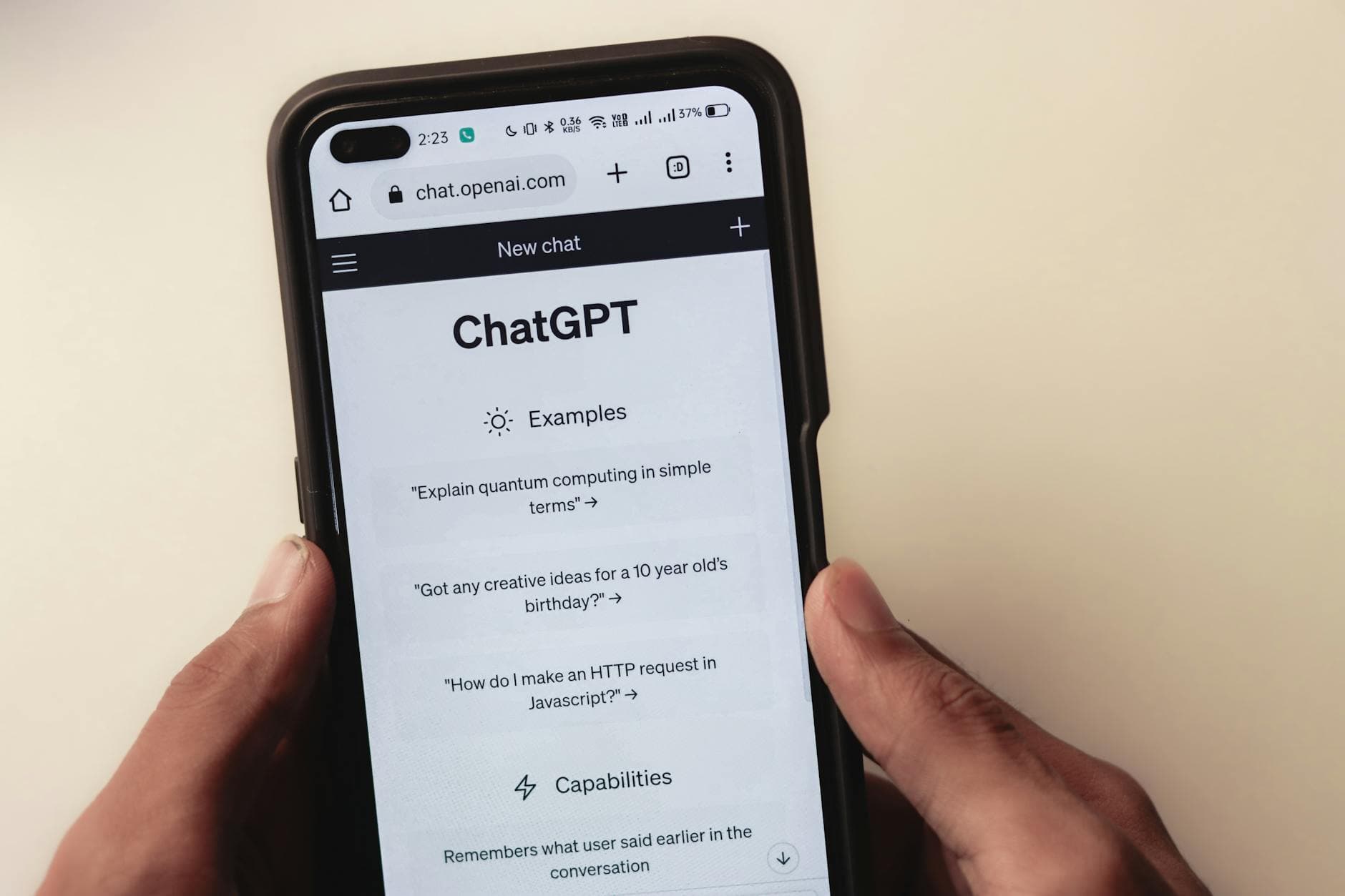
OpenAI says shopping research in ChatGPT is rolling out to logged-in users on Free, Go, Plus, and Pro plans. It is designed to ask clarifying questions, research deeply across the internet, review quality sources, and deliver a personalized buyer’s guide in minutes. OpenAI also says product results are selected independently and are not ads or influenced by partnerships, which makes source quality and relevance even more important for brands trying to appear.
Google’s scale is just as significant. In May 2025, the company said its Shopping Graph held more than 50 billion product listings and that more than 2 billion listings are refreshed every hour. In a fashion market where colorways, sizes, inventory, and seasonal drops change quickly, that cadence shows how much product detail is being constantly re-evaluated by machine systems.
What the next phase of fashion discovery looks like
The National Retail Federation says its 2026 consumer research study with IBM is focused on how shoppers are using AI throughout their journeys and what they expect from agentic commerce. That signals a bigger shift ahead: shoppers will not just ask for inspiration, they will expect systems to narrow, compare, and guide.
For fashion brands, that means the winning content stack is becoming more specific. Trend coverage still matters, but so do structured PDPs, sizing guides, care instructions, creator references, Reddit presence, and PR that reinforces a brand’s place in the conversation. In a market where margins are tight and sentiment is shaky, AI search visibility is quickly becoming part of the core merchandising strategy. The brands that treat it that way will be the ones shoppers find when style becomes a decision, not just an idea.
Know something we missed? Have a correction or additional information?
Submit a Tip