AI search visibility hinges on retrieval, citation, and content clarity
AI visibility breaks in three places: retrieval, selection, or citation, and each failure leaves a different fingerprint in ChatGPT and Perplexity.
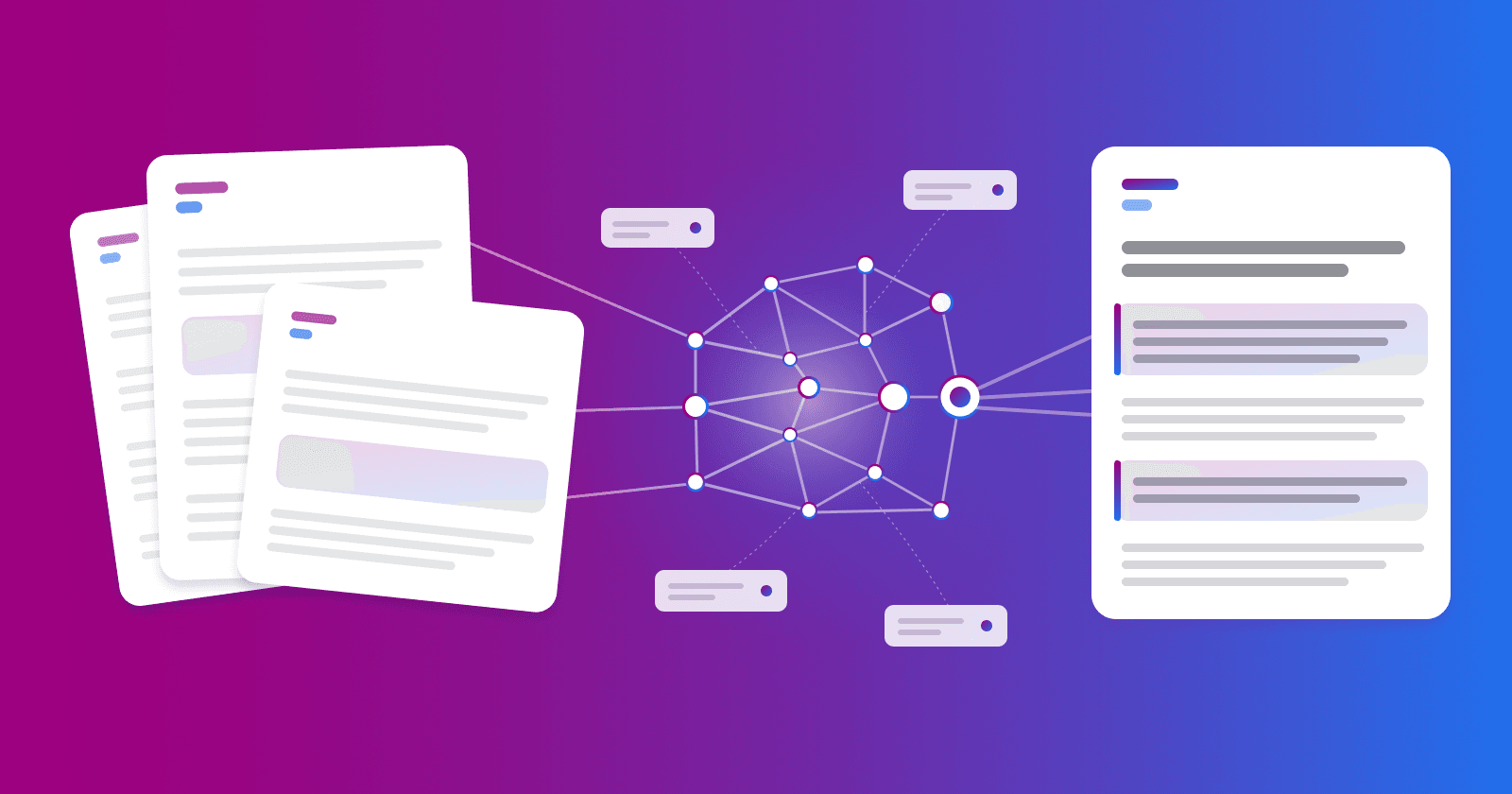
When the page never gets in the room
The fastest way to lose in AI search is not to be “bad” content, but to be invisible at the retrieval layer. The May 5, 2026 Search Engine Journal piece by Jeff Coyle, editorial reviewed by Jennifer McDonald and sponsored by Siteimprove, frames the real question exactly this way: is the content failing to be retrieved, selected, or cited? That distinction matters because a page can be technically reachable and still never make it into the system’s working set.
Symptoms
If the page gets crawled but never appears in ChatGPT or Perplexity answers, the first symptom is usually structural, not editorial. Search Engine Journal points to blocked crawl access, JavaScript that is not executed, authentication walls, and weak markup as classic retrieval blockers. If the page is “there” for humans but the machine cannot cleanly parse it, chunk it, or index it, the answer engine has nothing useful to work with.
Likely causes
This is where machine comprehension starts to outweigh plain readability. Semantic HTML, a proper heading hierarchy, and descriptive markup are not just accessibility hygiene anymore, they are the structure AI systems use to parse and chunk content for retrieval. Search Engine Journal notes that accessibility audits can expose these issues early, and that platforms like Siteimprove.ai are positioned to surface them before they become AI search problems.
Fixes
Treat retrieval like an infrastructure check. Make sure critical content is crawlable without scripts, unlocked without a login wall, and organized so passages can be extracted cleanly. If accessibility tooling already flags broken headings, missing labels, or confusing document structure, fix those first, because the same defects can keep an AI system from ever considering the page at all.
When the right page loses the selection contest
Once a page is retrievable, the next battle is selection, and that is where many teams misdiagnose the problem. Search Engine Journal describes AI systems as competing paragraph by paragraph, not page by page, which means a long guide can contain several strong passages and several dead ones. A 3,000-word page may hold 15 to 20 separately indexed passages, and only the passages that are clear, self-contained, and directly responsive will survive the selection step.
Symptoms
This failure mode feels maddening because the page exists, the topic is relevant, and the content may even rank in traditional search, yet the AI answer keeps choosing a competitor. That usually means the page does not satisfy the query as efficiently as another source does. The issue is often not access but extraction value: the system finds better, tighter, more answer-ready passages elsewhere.
Likely causes
Selection is where clarity, topical fit, authority, and packaging collide. Search Engine Journal says the fix is different from the retrieval problem, because the page may be reachable and still lose if its best information is buried in vague transitions or filler. Katie Artz, in her Search Engine Journal author profile, describes the same logic from the strategy side: align technical foundations, retrieval-ready content, and third-party validation, then track mentions, citations, and AI-sourced conversions.
Fixes
Rewrite for extraction, not just elegance. Make each important passage stand on its own, front-load the answer, and cut the connective tissue that makes a human article feel smooth but gives a machine nothing decisive to quote or summarize. If the AI keeps preferring someone else, check whether their page is more specific, more factual, or easier to slice into a direct response.
When the answer exists but the citation does not
Citation visibility is now its own operational target because the interfaces themselves are built around sourced answers. OpenAI says ChatGPT search responses may include inline citations, and if they do not appear inline, users can open the Sources panel to see cited sources and related links. Perplexity says every answer includes citations linking to the original sources, so the engine is designed from the start to expose provenance rather than hide it.
Symptoms
This is the phase where a brand may be “present” in the answer but still lose the benefit of visible attribution. If the response mentions the topic without citing your page, the system is signaling that it found something else more useful, more credible, or more cite-worthy. OpenAI also notes that ChatGPT may rewrite a search query, and if Memory is enabled, it may use memory to refine the search, which makes the citation outcome feel less like a static ranking and more like an active retrieval decision.
Likely causes
Citation failure is not just a technical miss. It can reflect source preference, freshness, or the reality that AI systems are often more willing to cite neutral or community-based sources than polished brand pages. That is why the citation layer has to be treated separately from ordinary SEO visibility.
Fixes
Build pages that are easy to verify, not just easy to admire. Perplexity’s model rewards answers backed by original sources, while OpenAI’s search interface makes citations visible as part of the user experience, so the safest path is to create content with clear claims, strong sourcing, and obvious extraction points. If the page is technically sound but still not cited, look for missing authority signals, weak topical fit, or language that is too promotional to feel reference-worthy.
What the benchmark studies say about the new answer economy
The numbers make the diagnostic model harder to ignore. Ahrefs said it analyzed 16.975 million cited URLs across ChatGPT, Perplexity, Gemini, Copilot, Google AI Overviews, and organic Google results to test whether AI assistants prefer fresher content, and found that AI-cited URLs averaged 1,064 days old versus 1,432 days for organic SERP URLs. In other words, cited AI sources were 25.7 percent fresher on average.
Semrush’s AI visibility study adds another layer: community-generated sources such as Wikipedia and Reddit often outrank official brand marketing in AI citations, and Wikipedia appeared as the number one or number two cited source in four of five verticals studied. Semrush also separately examined more than 500 high-value digital marketing and SEO topics to estimate how AI search could affect traffic and revenue, underscoring that citation behavior is now measurable enough to change planning, forecasting, and content priorities.
That is why AI search visibility now behaves like a funnel, not a single ranking slot. First the page has to be reachable, then it has to be selected from among passage-level competitors, and then it has to be worth citing in an answer system that favors freshness, clarity, and recognizable sources. Once you know which stage is breaking, the fix stops being guesswork and starts becoming craft.
This article was produced by Prism’s automated news system from verified source data, official records, and press releases, then run through automated quality and moderation checks before publishing. The system is built and supervised by the people who set the standards it runs under. Read our full AI policy.
Did this article answer your question?